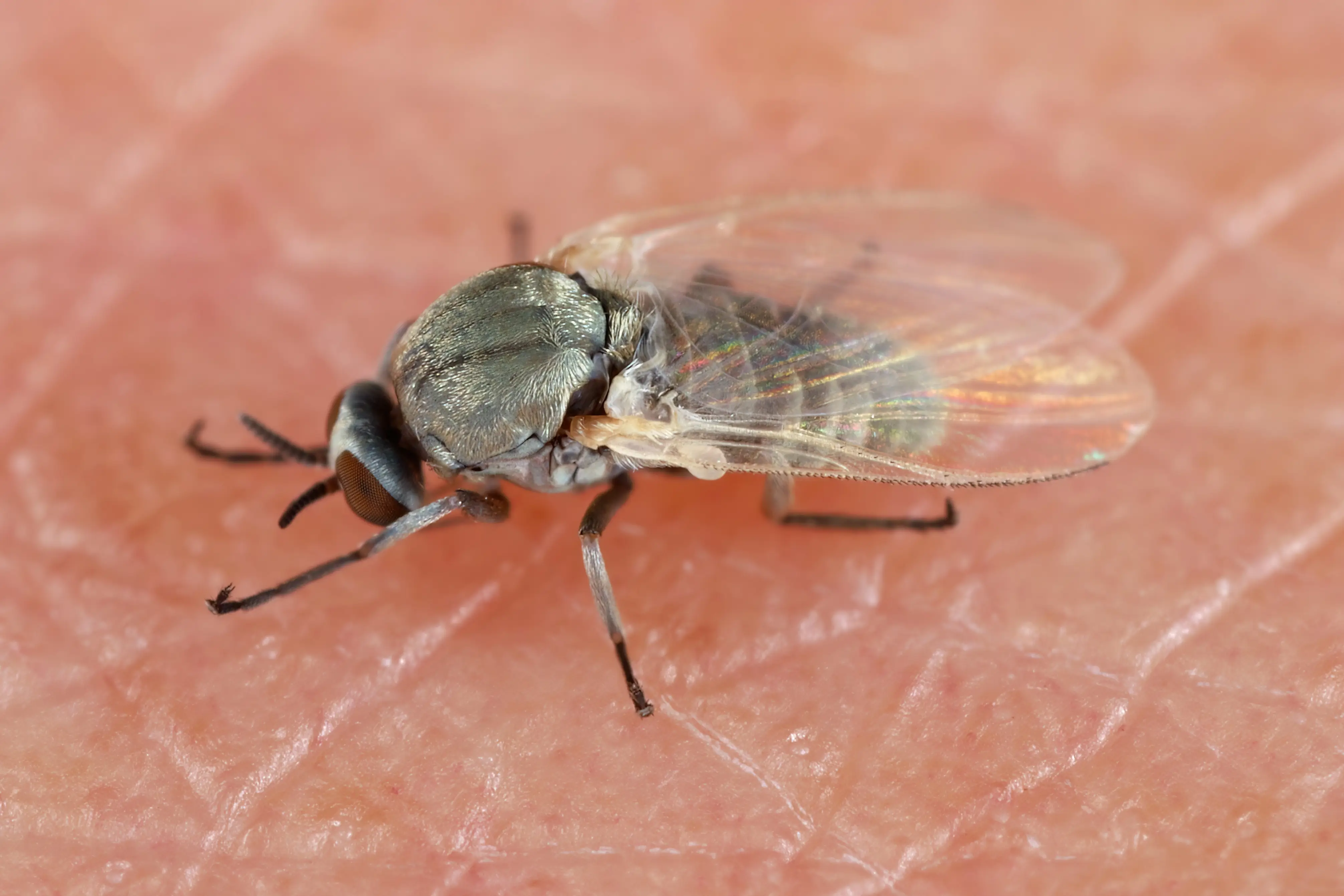
What happens if a gnat bites you?
When a gnat bites you, it typically results in a small, red, and itchy bump on your skin. The bite site may become swollen and irritated due to the gnat's saliva which contains anticoagulants to prevent blood clotting during feeding. While most gnat bites are merely annoying and resolve on their own within a few days, some people may experience more intense itching or develop a larger welt, depending on their individual sensitivity to the bite.
What does a gnat bite look like on a human?
A gnat bite on a human typically appears as a small, red, raised bump on the skin that often resembles a tiny mosquito bite. The bite site may be slightly swollen and can range from 1-2 millimeters to several millimeters in diameter, depending on the individual's reaction. In some cases, multiple bites may appear in clusters or lines on exposed areas of skin.
Do gnats bite humans at night?
While some gnat species can bite at any time, many biting gnats are most active during dawn and dusk rather than at night. However, certain species like some biting midges may continue to feed during nighttime hours when there are areas with artificial lighting or when environmental conditions are favorable. The likelihood of nighttime gnat bites can also increase if you are in or near their preferred habitats like near water sources or in damp, shaded areas.
How do you stop gnats from biting you?
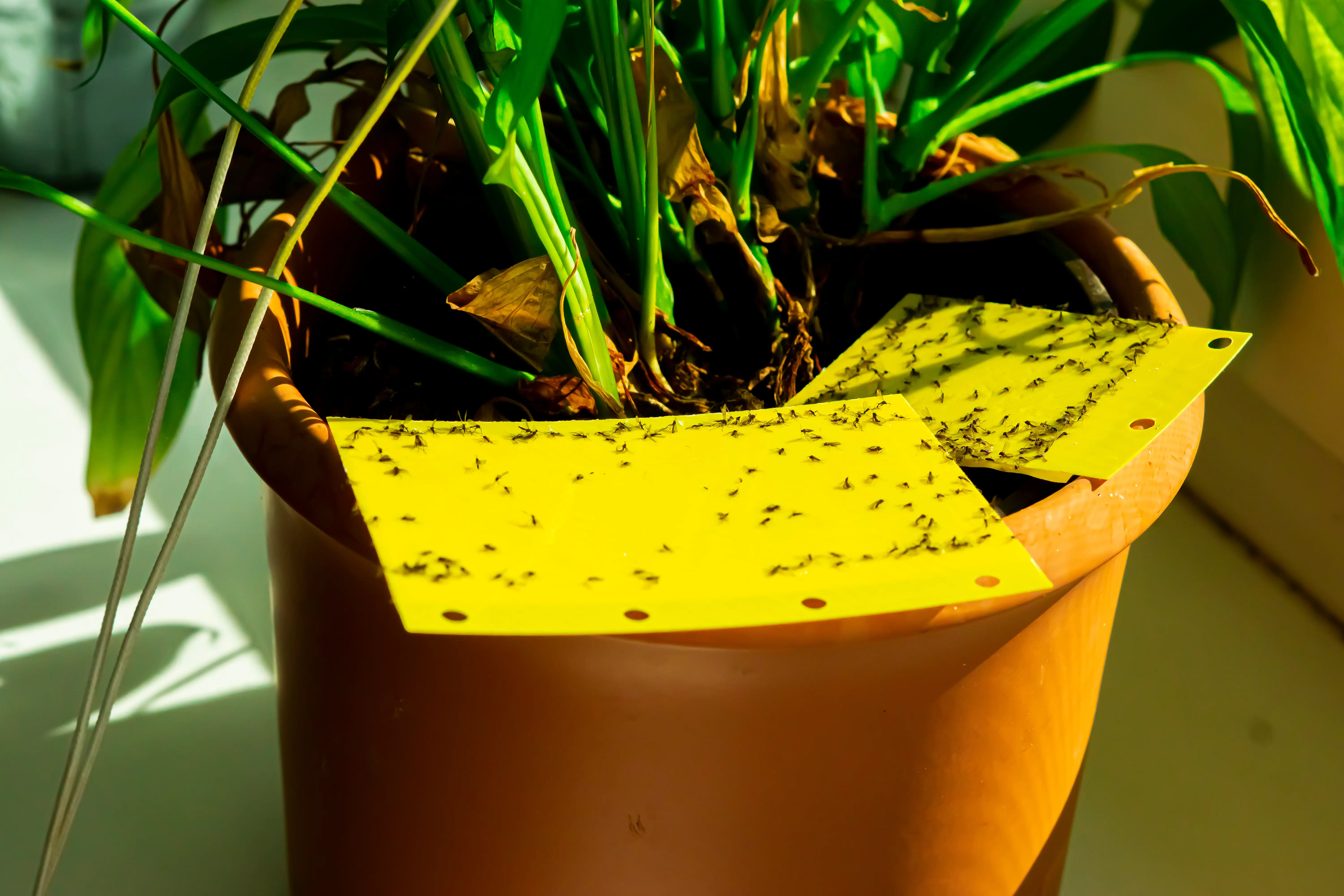
To prevent gnat bites, apply authorized insect repellents that contain active ingredients such as DEET, picaridin, or oil of lemon eucalyptus to any exposed skin and your clothing. Wear protective clothing such as long sleeves, pants, and closed-toe shoes when in gnat-prone areas, especially during dawn and dusk when they are most active.