EcoGuard Pest Management
Cricket on floor inside house
By Gary Anderson||8 min read

How to Get Rid of Crickets in the House

Stop the chirping! Learn to identify cricket species, find their hiding spots, and eliminate infestations effectively.

Dealing with crickets in the house may not be the end of the world, but their constant chirping, especially at night, can be an annoyance that disrupts sleep and peace of mind. If that were not bad enough, some species of crickets can also cause damage by eating fabrics like clothes.

To tackle a cricket infestation, a multi-step approach is necessary. It is important to identify the type of cricket first, as the common varieties found indoors include house crickets, field crickets, and camel crickets.

Quick Control Tips

  • Set up sticky traps in areas where cricket activity is noticed
  • Seal all cracks and potential entry points
  • Regular vacuuming and decluttering eliminates hiding places
  • Maintain a dry environment (crickets thrive in moisture)
  • Keep outdoor areas near the house free of thick vegetation
Why Do I Have Crickets in My House?

Crickets can find their way into your home for several reasons, but it is usually because they are seeking shelter, warmth, food, water, or mates. They are small enough to enter through tiny openings like gaps in window frames, doorways, or around A/C lines and pipe penetrations.

Light Attraction

Outdoor lighting draws crickets near buildings, then internal light pulls them inside after dark. Switching to yellow outdoor lights can help reduce this attraction.

Weather Changes

Crickets naturally prefer outdoors but are drawn inside seeking warm, dark, and damp places. They become more active when outdoor conditions become less favorable, like during colder weather.

How Do Crickets Get In?

The transition from outdoors to indoors often occurs through small openings in a home's exterior. Crickets find their way through:

Cracks in foundation
Gaps around windows/doors
Spaces around utility lines
On groceries/cardboard boxes

What Kind of Crickets Are Found in Houses?

The most common types found indoors include house crickets, field crickets, and camel crickets. Each has distinct characteristics and behaviors. Understanding the type you are dealing with can help determine the best course of action.

House Cricket

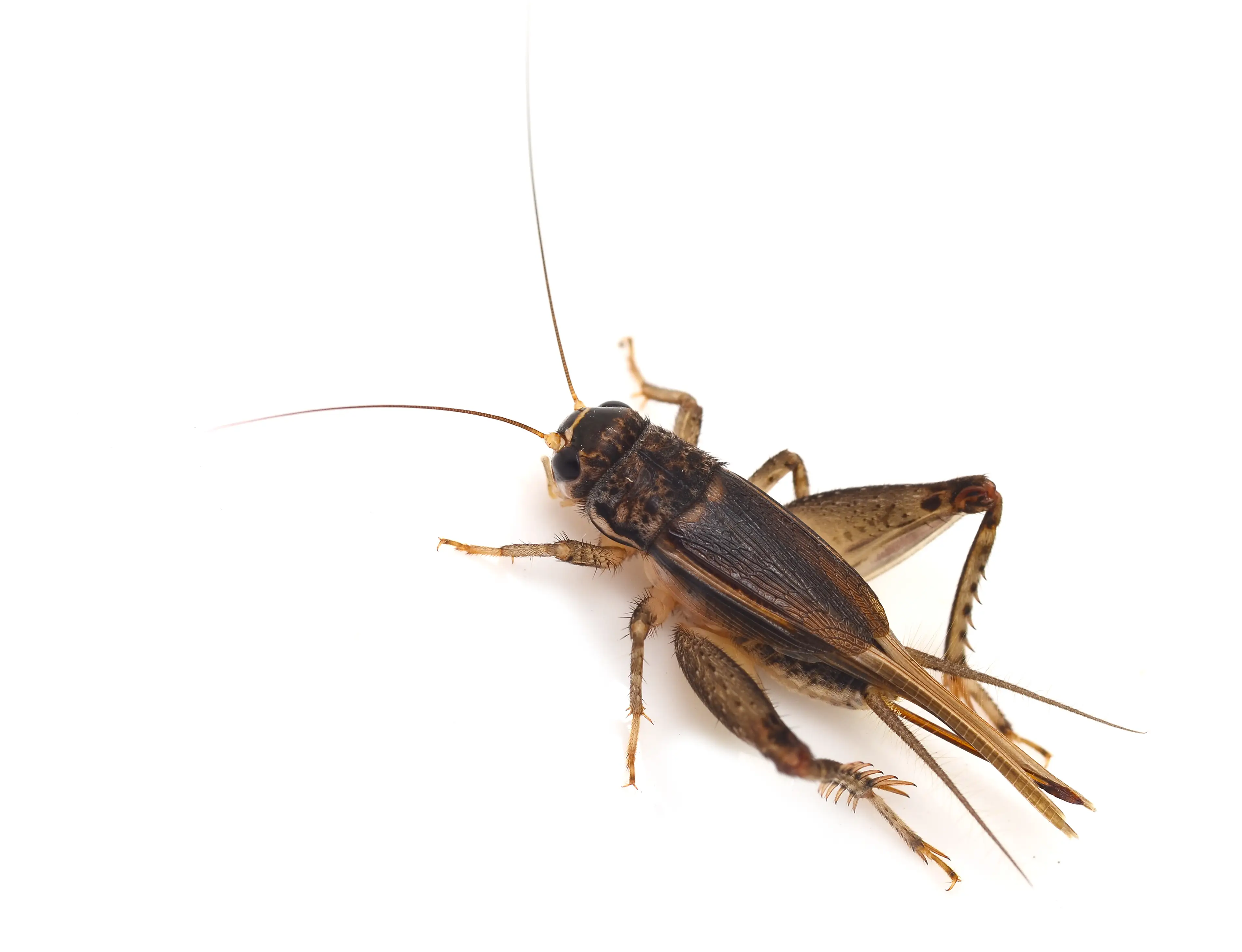
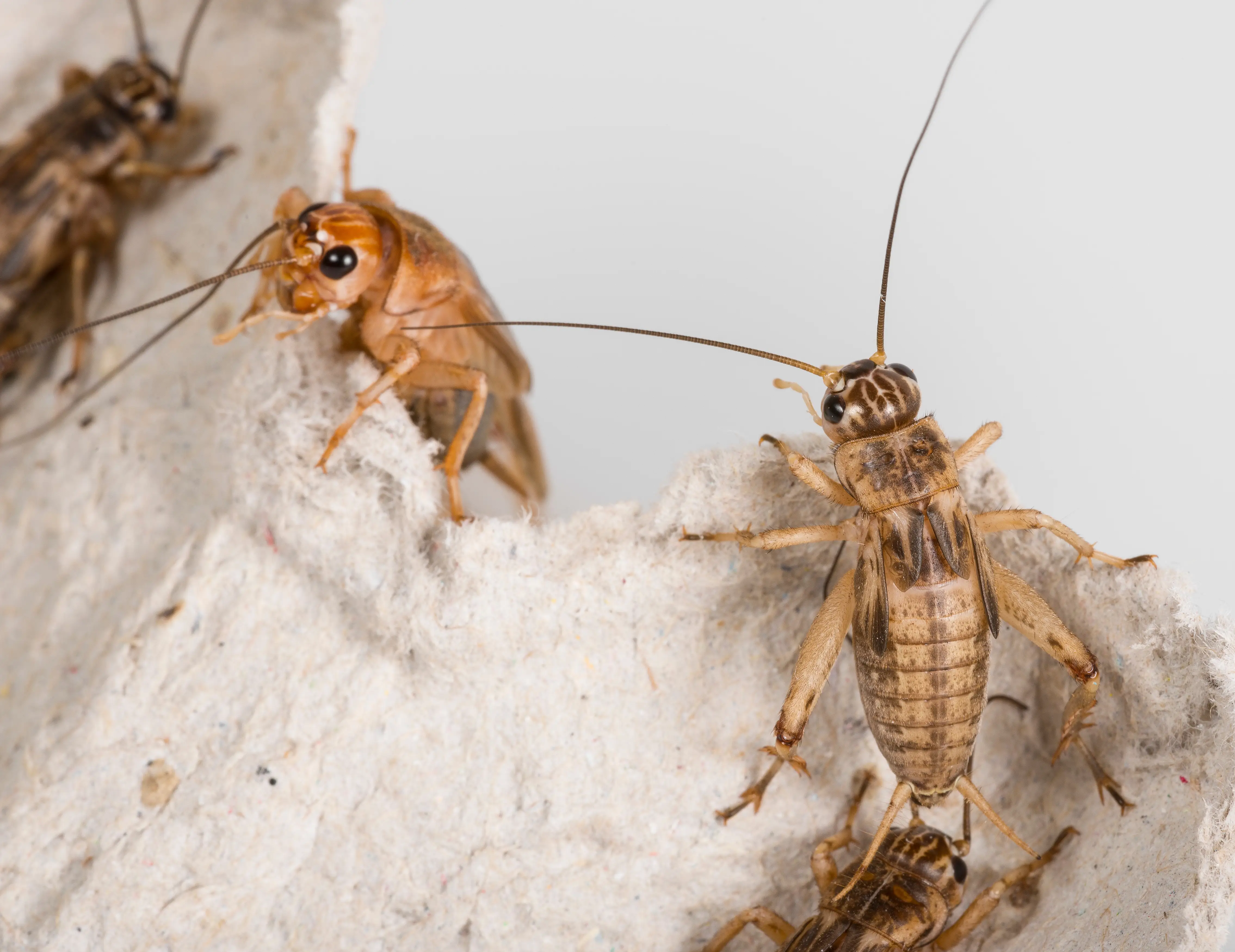
Frequently found indoors and known for their ability to survive indefinitely in such environments. Identifiable by their light yellow-brown color and three dark crossbands on their heads. Adults reach about 3/4 to 1 inch in length with long, thin antennae.

Hides in kitchens, bathrooms, laundry rooms
Diet: insects, paper, plants, fabrics
Nocturnal; chirps to attract mates
Damages silk, wool, cotton, synthetics

Field Cricket

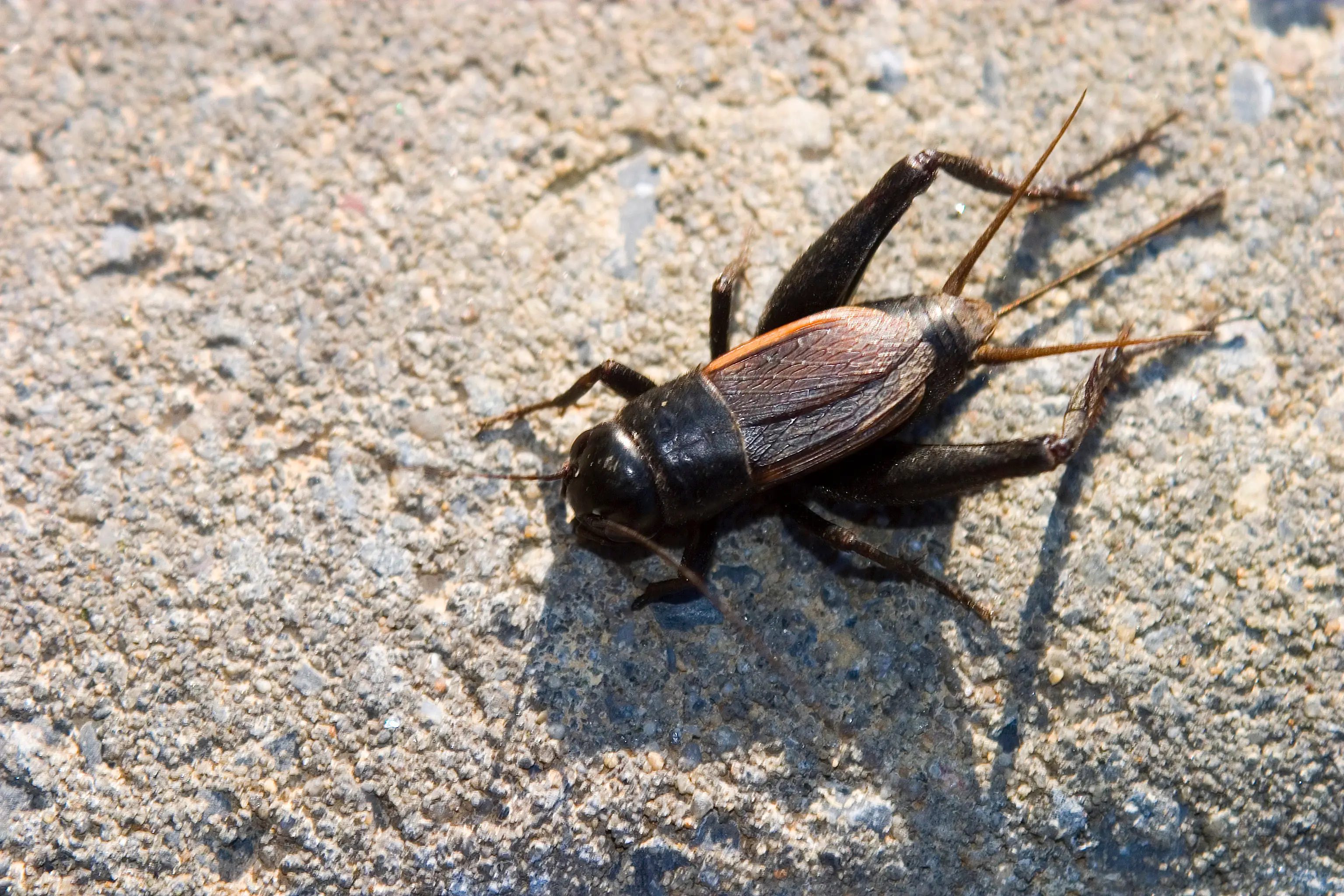
Larger than house crickets, growing up to about 1 1/4 inches in length. Typically black, though some may have brownish or straw yellow coloration. Known for potential to cause significant damage to agricultural and garden crops.

Prefers outdoor environments
Enters to escape extreme weather
Feeds on cotton, linen, wool, silk
Does not survive indoors long

Camel Cricket (Cave Cricket)

Distinct appearance with a humpbacked profile and no wings. Light to dark brown, up to 1 1/2 inches long. Large, strong hind legs enable them to leap high when startled. Do not chirp because they lack sound-producing organs.

Found in basements, crawl spaces, garages
Diet: wood, carpet, fungi, cardboard
Invade when outdoor conditions are hot/dry
Gather in groups; larger infestations

Signs of a Cricket Infestation

The most obvious indicator is the distinctive chirping sound, produced by male crickets as they rub their wings together to attract female mates. While common outdoors on warm evenings, it becomes a nuisance when echoing inside your house.

Physical Sightings

Finding crickets in your home is the most straightforward sign. They often hide in warm, moist environments within buildings.

Chirping Noise

The distinct chirping sound made by male house crickets at night, produced by rubbing their forewings together.

Fabric Damage

Crickets chew on fabrics like wool, silk, cotton, and leather. Look for loose fibers and an unraveled appearance on fabric surfaces.

Stains and Droppings

Cricket droppings can lead to stains on clothing and furniture, often found in areas where crickets congregate.

Where Do Crickets Hide Inside My House?

Crickets tend to seek out and hide in cool, damp places. Understanding their preferred hiding spots helps target your control efforts effectively.

Under Appliances

Under refrigerators, washing machines, and dishwashers. These spots are dark and often left undisturbed.

Cabinet Toe Kicks

Behind the toe kicks of bathroom and kitchen cabinets. Often overlooked during cleaning and usually has access to plumbing moisture.

Storage Areas

Basements, garages, and spaces cluttered with boxes and other items provide shelter and seclusion.

Tired of the Chirping?

Our experts locate cricket hiding spots and eliminate infestations quickly using eco-friendly methods.

Call (866) 326-2847

How to Get Rid of a Cricket Infestation in Your Home

Dealing with a cricket infestation can be challenging, especially since some varieties can survive indefinitely indoors. For severe infestations, contact a professional exterminator. For less severe cases, there are several DIY methods you can employ.

Molasses Trap (DIY)

Mix 3 tablespoons of molasses with 2 cups of water in a mason jar. The sweet scent attracts crickets. As they jump in to feed, they land in water with no way to escape and drown.

Vacuuming

While vacuuming might not catch crickets directly, it can help remove their eggs which helps contain and prevent further infestation. Be sure to empty the vacuum cleaner outdoors.

Diatomaceous Earth (DE)

Apply diatomaceous earth around baseboards and in areas where crickets are common. This natural substance damages their exoskeleton and dehydrates them.

Sticky Traps

Lay sticky traps in corners of rooms where cricket activity is noticed. These help monitor and reduce the population.

Insecticides

Apply insecticides along windowsills and access points. Use with caution as these substances can be toxic if used improperly, especially in homes with pets or children.

Moisture Management

Use dehumidifiers and ensure proper ventilation in attics and crawl spaces to reduce the humidity that attracts crickets.

How to Get Rid of Crickets Outside

Successfully ridding your home of crickets can bring relief, but ensuring they do not return involves proactive measures outdoors.

Adjust Outdoor Lighting

Switch to yellow outdoor lights which are less attractive to crickets and other insects.

Maintain Your Yard

Regularly trim hedges and mow the lawn to eliminate potential nesting and hiding spots.

Move Hiding Places

Move firewood piles, garbage, stones, and mulch at least 20 feet away from your house.

Reduce Moisture

Clean gutters, remove weeds, and eliminate standing water. These conditions attract crickets.

Bait Traps

Place bait traps near woodpiles or compost areas to help control outdoor cricket populations.

Lawn Treatments

Apply lawn insecticides or treatment sprays in early summer to target existing populations before they migrate indoors.

Contact EcoGuard Pest Management if You Are Dealing with Crickets

While these measures can significantly help in reducing and preventing cricket infestations, sometimes the situation requires professional intervention. If you find yourself continuously battling crickets or facing a severe infestation, it is time to call in the experts. EcoGuard Pest Management offers specialized, effective solutions for cricket control using eco-friendly methods to safely and efficiently address your cricket problems.

Call (866) 326-2847Get Free Quote

House Cricket FAQs

Why am I getting crickets in my house?

Crickets often enter houses in search of shelter, moisture, and food during extreme weather conditions like excessive heat or dryness. They can sneak in through small openings such as cracks in foundations, gaps around windows or doors, and even through ventilation systems. Additionally, crickets are attracted to bright lights and cluttered areas, which can inadvertently draw them into homes.

Are crickets okay in the house?

While crickets are generally harmless and do not pose a significant health risk, their presence in the house can be undesirable. Crickets can cause damage by chewing on fabrics, paper, and even food, and their constant chirping at night can be a nuisance. Therefore, while they are not dangerous, it is usually preferable to keep crickets out of the home for comfort and cleanliness.

How long will a cricket live in my house?

The lifespan of a cricket inside your house can vary, but typically a cricket can live for several weeks to a few months indoors. This duration can be shorter if the cricket lacks sufficient food and moisture, or if the indoor environment is not conducive to its survival. The presence of predators, like household pets, can also shorten a cricket's lifespan within a home.

What kills crickets instantly in the house?

A quick and effective way to kill crickets in the house is by using insecticide sprays that are specifically formulated for crickets. These sprays work on contact and can instantly kill crickets. However, it is important to follow the product's safety instructions carefully and use them with caution in homes with children and pets.