
EcoGuard Pest Management
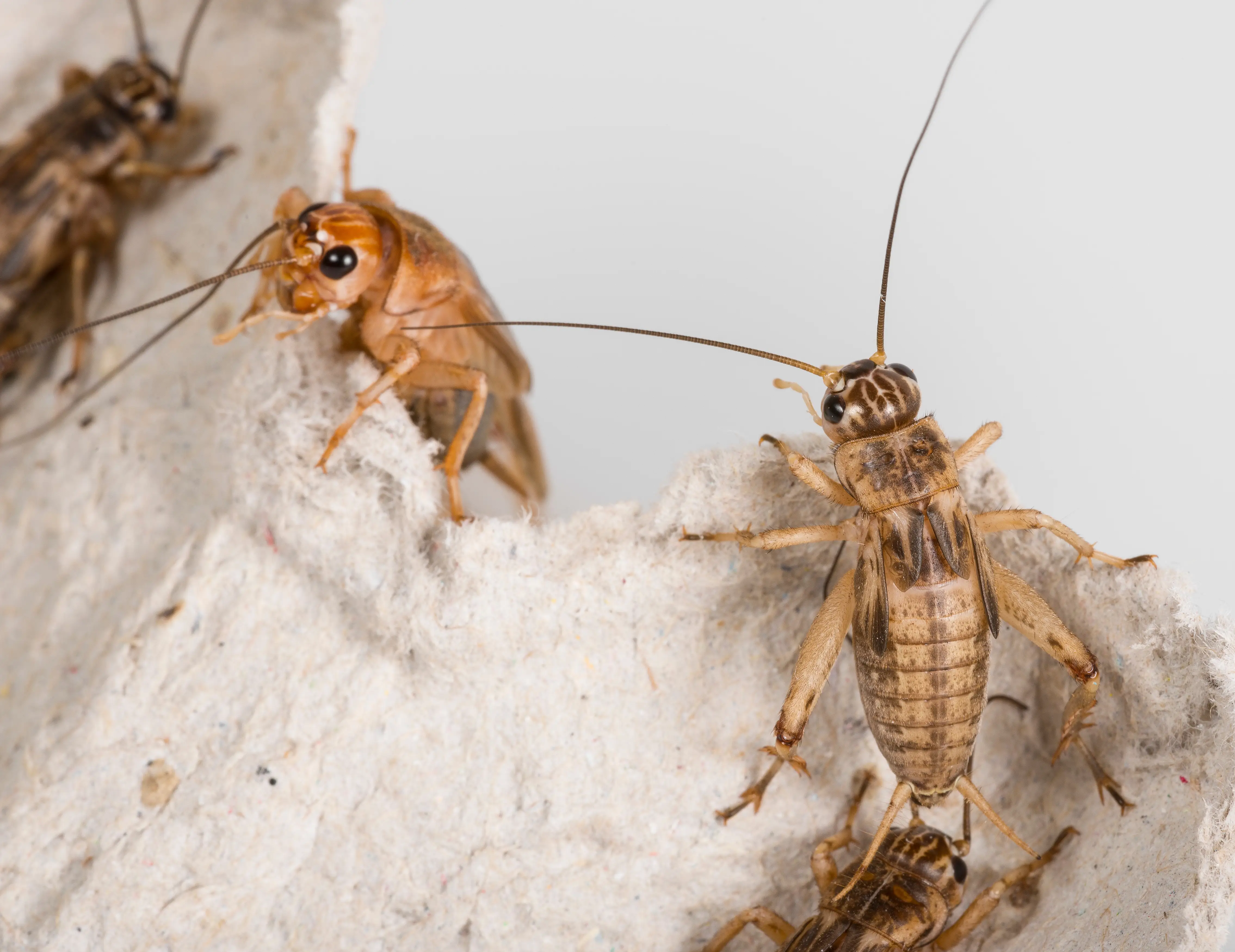
Close-up of a cricket showing mandibles
By Gary Anderson||6 min read

Do Crickets Bite Humans?

Understanding cricket bites, which species can bite, and what to do if bitten.

Crickets are omnivorous eaters which raises concerns about their potential to bite humans. While crickets do possess the capability to bite, their jaws are rarely strong enough to puncture human skin.

There are certain cricket species equipped with multi-purpose jaws that allow them to chew through materials like cardboard, clothes, and other insects, but they rarely attempt to bite humans. In the rare instance that a cricket does bite, it might leave a minor irritating mark.

The Short Answer

Crickets can bite but rarely do. Most species have jaws too weak to pierce human skin. Bites are not associated with transmitting diseases like mosquitoes or fleas. If bitten, the sensation is similar to a pinch and passes quickly.

Cricket Bite Quick Facts

Frequency: Extremely rare
Pain Level: Like a pinch
Disease Risk: Very low
Stinger: No, crickets cannot sting
Can Crickets Bite?

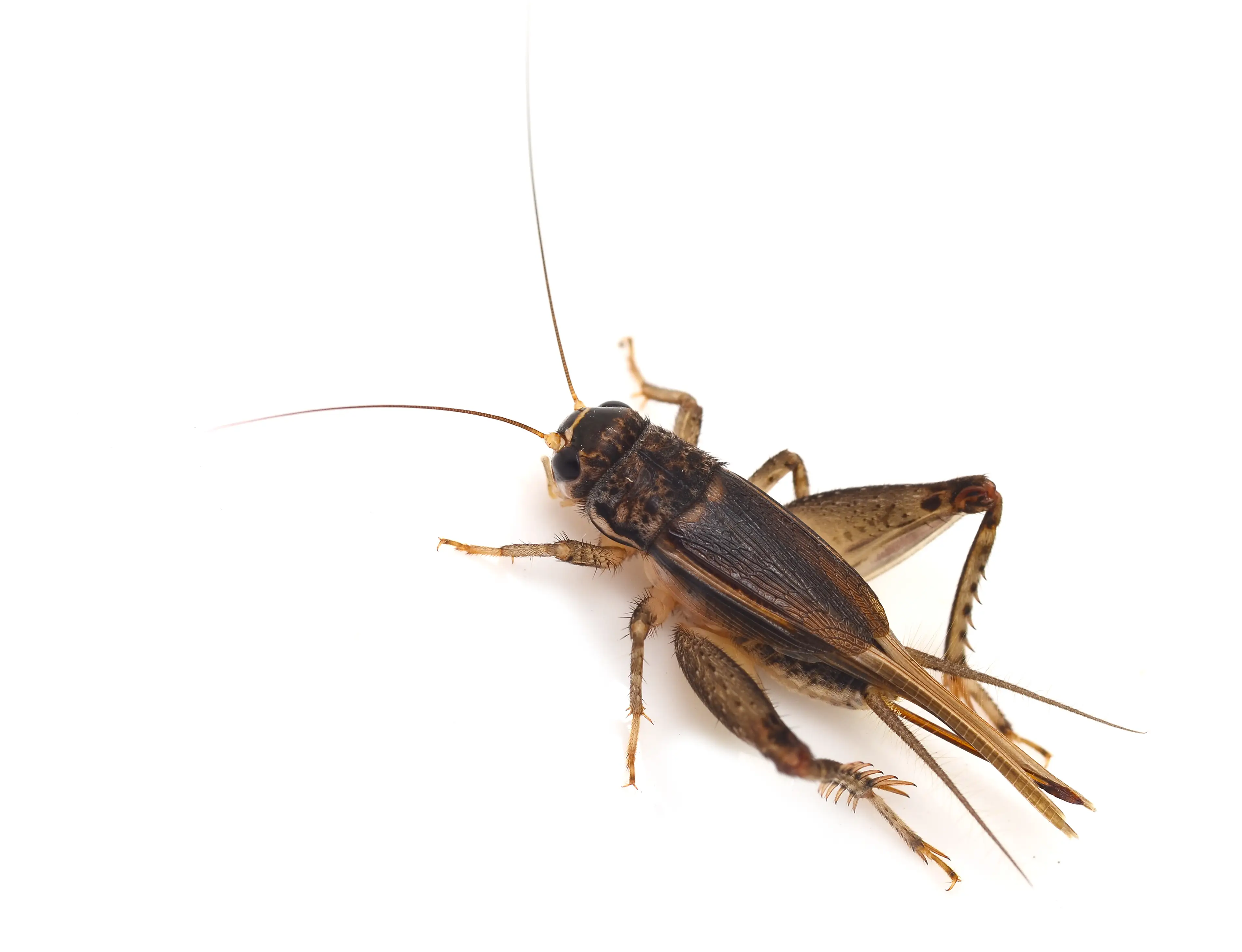
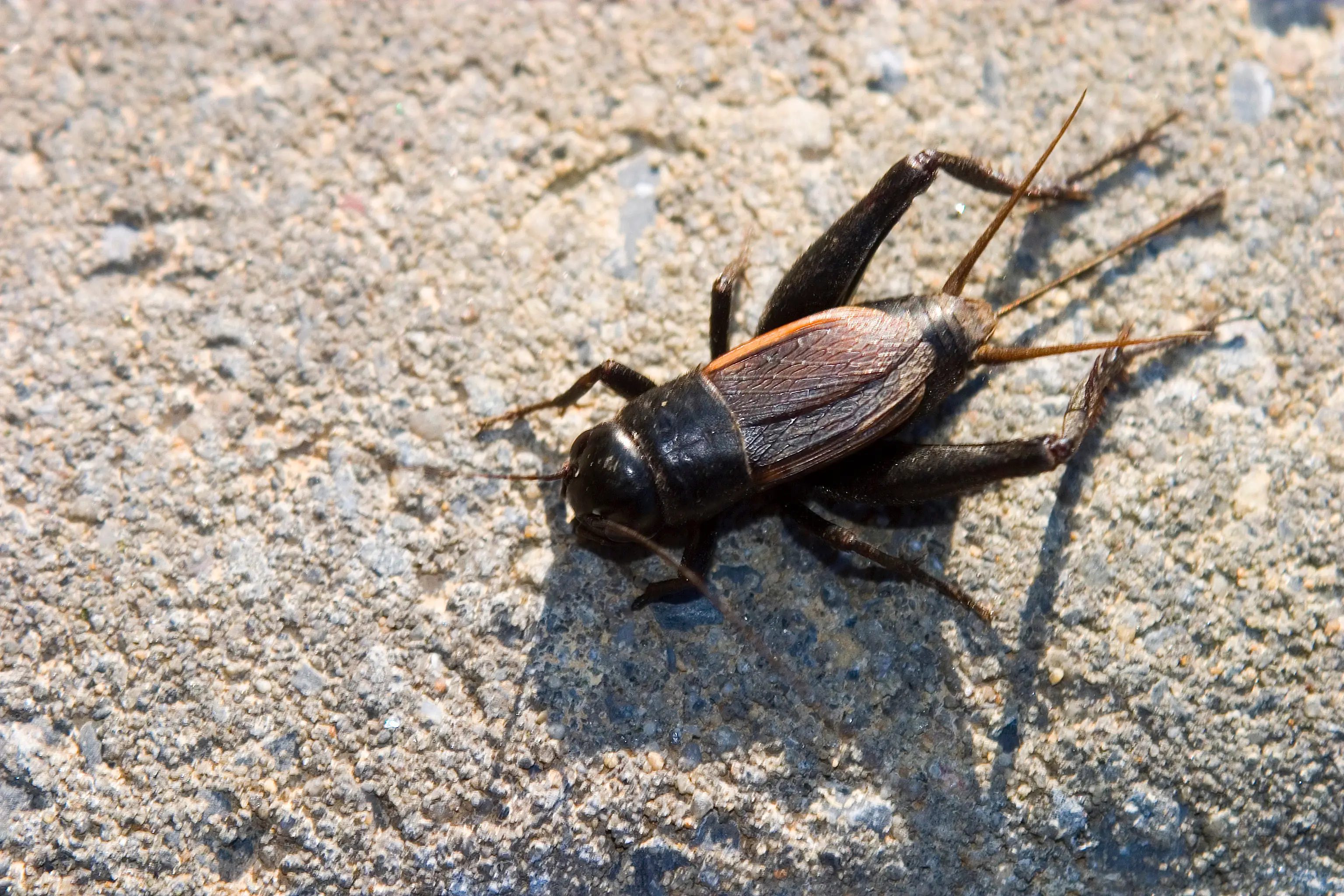
Crickets primarily target soft-bodied insects, pupae, and larvae because they are easy to catch and consume. While they technically can bite humans, it is extremely rare since humans are more of a threat than food.

Do Crickets Have Teeth?

Crickets do not have teeth like humans. Instead, they have mandibles (pincer-like appendages) with sharp serrated edges. These are powered by seven mandibular muscles and designed to saw through leaves, soft insects, and plant matter.

Why Do Crickets Bite?

Crickets do not bite out of aggression or hunger. On rare occasions, it is an act of self-defense when handled by humans. Their mandibles can pinch the skin but are usually not strong enough to pierce it.

Species with Stronger Jaws

Some species have larger, more powerful jaws: Jamaican field crickets, black field crickets, crazy red crickets, and house crickets. Bites from these can be more painful.

What Types of Crickets Bite?

Black (Field) Crickets

LOW RISK

Not known to bite humans. Jaws are too weak to pierce skin. Outdoor dwellers feeding on small insects, leaves, and grass. Minimal interaction with humans.

House Crickets

LOW RISK

Light brown/yellow. Will not bite even in self-defense, prefer to jump away. Concern is diseases/parasites (E. coli, salmonella) they may carry that can contaminate food.

Camel (Cave) Crickets

NO RISK

Also called "spider crickets." Have no mandibles, cannot bite, and do not chirp. Can damage linens and garments. Found in dark areas like closets and garages.

Jerusalem Crickets

CAN BITE

Also called "potato bugs." Large with extremely large mandibles. Not aggressive or venomous but will bite if threatened. Can be mildly painful. Live underground, surface to mate.

What Do Cricket Bites Look Like?

Appearance

Cricket bites are rare but can manifest as a minor reddened area at the bite site. Most bites go undetected unless complications arise.

Pain Level

Bites can cause discomfort to mild pain. Described as similar to a pinch, momentarily surprising but passes quickly. Pain is minimal and subsides rapidly.

Warning Signs

If the bite becomes notably inflamed or experiences heightened soreness, it could indicate infection or allergic reaction. Seek medical attention if symptoms persist.

Cricket Infestation Causing Problems?

Beyond bites, crickets can damage fabrics, contaminate food, and keep you up at night with their chirping.

Call (866) 326-2847

Are Crickets Harmful?

Crickets are not inherently harmful to humans. While some may deliver noticeable bites, the risk of severe health complications is minimal. They are not aggressive or dangerous creatures. The primary concern is property and crop damage.

Disease Transmission

Crickets can carry E. coli and salmonella. Transmission occurs through food contamination, contact with feces, or through bites. Symptoms: fever, stomach cramps, diarrhea, vomiting.

Property Damage

Crickets chew on fabrics with fondness for silk and wool. They tug at fibers from carpets and fabrics causing fraying and holes. Can damage clothing, bedding, and fabric items.

Noise Disturbance

Persistent chirping can disrupt sleep and overall peace if crickets find their way indoors, especially at night when they are most active.

What to Do if a Cricket Bites You

1

Clean the Bite

Clean the bite area thoroughly using antibacterial soap to minimize infection risk.

2

Apply Antibiotic Ointment

Apply an antibiotic ointment containing bacitracin to help prevent bacterial infections.

3

Monitor the Bite

Watch for signs like rash, fatigue, fever, body aches, or flu-like symptoms. Seek medical attention if symptoms persist.

Note: Crickets do not possess stingers. If you experience a stinging sensation, another insect is likely responsible. The female cricket's ovipositor (egg-laying organ) can be mistaken for a stinger but is not a defense mechanism.

How to Get Rid of Crickets

Individual Cricket

Wait until you spot or hear the cricket. Trap using a cup and paper, then release outside. Approach cautiously to avoid startling it.

Extensive Infestations

Professional intervention recommended. Experts use glue traps and residual pesticides and implement preventative measures.

Prevent Future Problems

Ensure proper ventilation in basements, crawl spaces, storage rooms. Keep areas dry. Maintain a well-groomed yard, mow regularly, remove weeds.

Contact EcoGuard if You Are Dealing with Crickets

If you find yourself hearing the annoying chirps of crickets or simply want to take preventive measures, do not hesitate to reach out to the experts at EcoGuard Pest Management. Our team has years of experience dealing with these pests and we know how to get rid of them quickly and effectively. Our commitment to using eco-friendly solutions ensures that your home stays safe while also guaranteeing your cricket problem will be resolved.

Call (866) 326-2847Get Free Quote

Cricket Bite FAQs

Do house crickets bite humans?

House crickets can bite humans, but it is rare. While they have the capability to bite, they have little motivation to do so. If they do bite, it is usually not harmful but it is still good to clean the bite area to prevent potential infections.

Do cricket bites hurt?

Cricket bites can cause mild pain that is described as a sharp pinch. The pain subsides quickly with no long-lasting effects.

Can crickets bite or sting you?

Crickets can bite, but they do not have stingers. While some species of crickets might bite if handled, the bite is typically mild and feels like a pinch.

Are crickets harmful to humans?

Crickets are not harmful to humans. While they can bite, these occurrences are rare. However, crickets can carry diseases and parasites, so it is essential to maintain cleanliness and take preventive measures if they are found in living spaces.