
St. Helens Pest Control
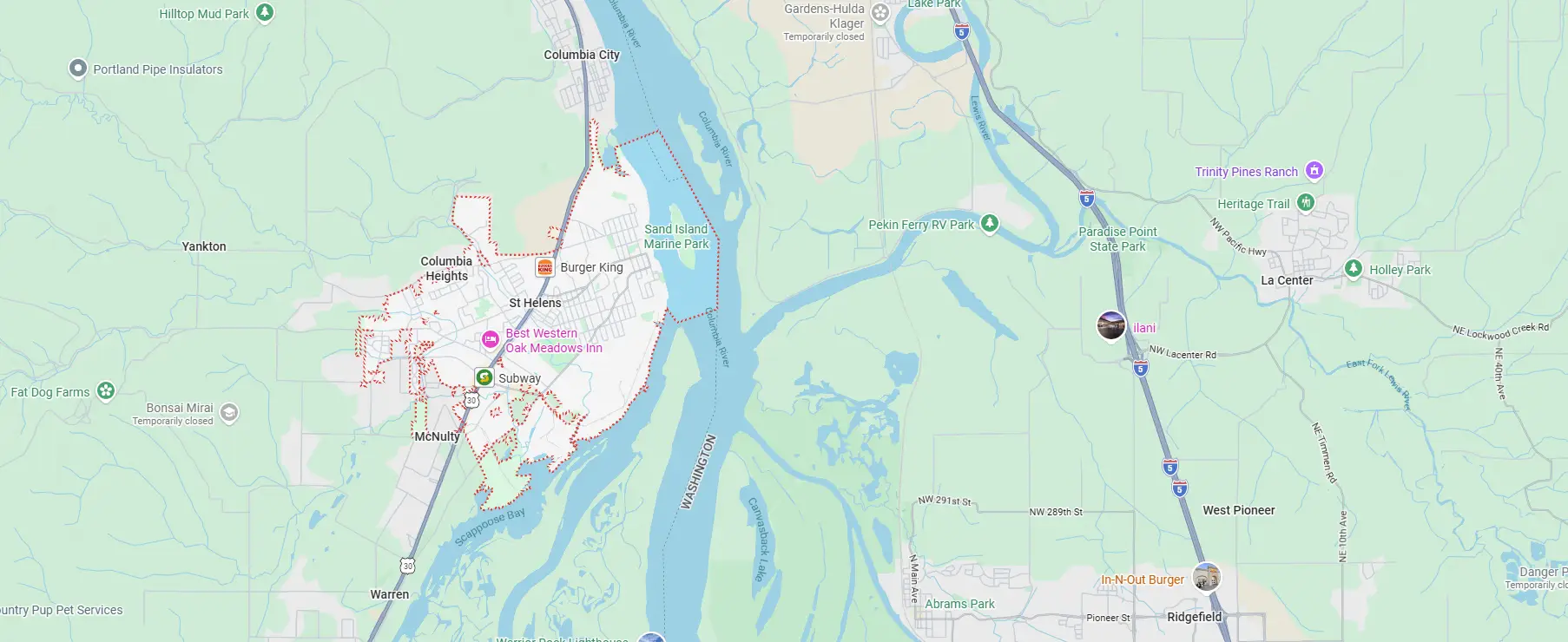
St. Helens' position on the west bank of the Columbia River, the confluence with Multnomah Channel near Sauvie Island, Milton Creek flowing through town into Scappoose Bay, the Pacific Northwest climate with approximately 50 inches of annual rainfall, the dense second-growth forests surrounding the city, the mix of historic Olde Towne structures dating to the 1800s and newer suburban development from the city's rapid growth as a Portland bedroom community, and the Columbia River waterfront that supports significant rodent and wildlife populations create year-round pest challenges that require professional management. EcoGuard Pest Management has a team of licensed & trained St. Helens exterminators available to provide a full inspection and regular pest control treatments.
EcoGuard Pest Management
Serving St. Helens, OR & Surrounding Areas
Professional Pest Control in St. Helens, OR
EcoGuard Pest Management has been providing pest control for over 40 years in which we have developed effective integrated pest management strategies for the most problematic pests. Over those 40 years of service, EcoGuard has learned how to maximize the efficiency and effectiveness of our preventative measures and treatment solutions. Our inspections help identify problems like early termite damage to rodent entry points, which in turn help us create customized pest control strategies that prevent, stop, and control pest populations while saving you time, money, and resources.
Our tailored integrated pest management (IPM) strategies go far beyond just eliminating your pest problems. Our effective, multi-layered approach looks at all aspects of your pest problem and curates a custom treatment plan that ensures the sustained long-term prevention our clients need after their initial treatment. This helps control the pest problems inside and around your home or business for as long as services are maintained. EcoGuard is licensed, bonded, and insured and our services are guaranteed, which means that if the bugs come back, then so do we.
As part of the greater St. Helens metropolitan area, we also serve neighboring communities including Columbia City, Scappoose, Warren, Rainier, and Deer Island. Our regional expertise ensures effective pest management tailored to local conditions.
Get Started with St. Helens Pest Control Today
Don't let pests take over your property. Call today to have a licensed and trained technician come inspect your property to see how we can help you prevent or stop your pest problem!
Common Pests in the St. Helens Area
Our St. Helens technicians are trained to handle these local pest threats

Pest Control Services in St. Helens, OR
St. Helens properties face distinct pest challenges shaped by the Pacific Northwest climate, the Columbia River waterfront, Milton Creek, the surrounding second-growth forests, and the city's mix of historic structures and newer suburban development. As the county seat and largest city in Columbia County—and one of the fastest-growing communities in the Portland metro region—St. Helens has properties ranging from 1800s Victorian homes in Olde Towne to brand-new subdivisions on the forested edges, each with their own pest vulnerabilities.
Residential Pest Control
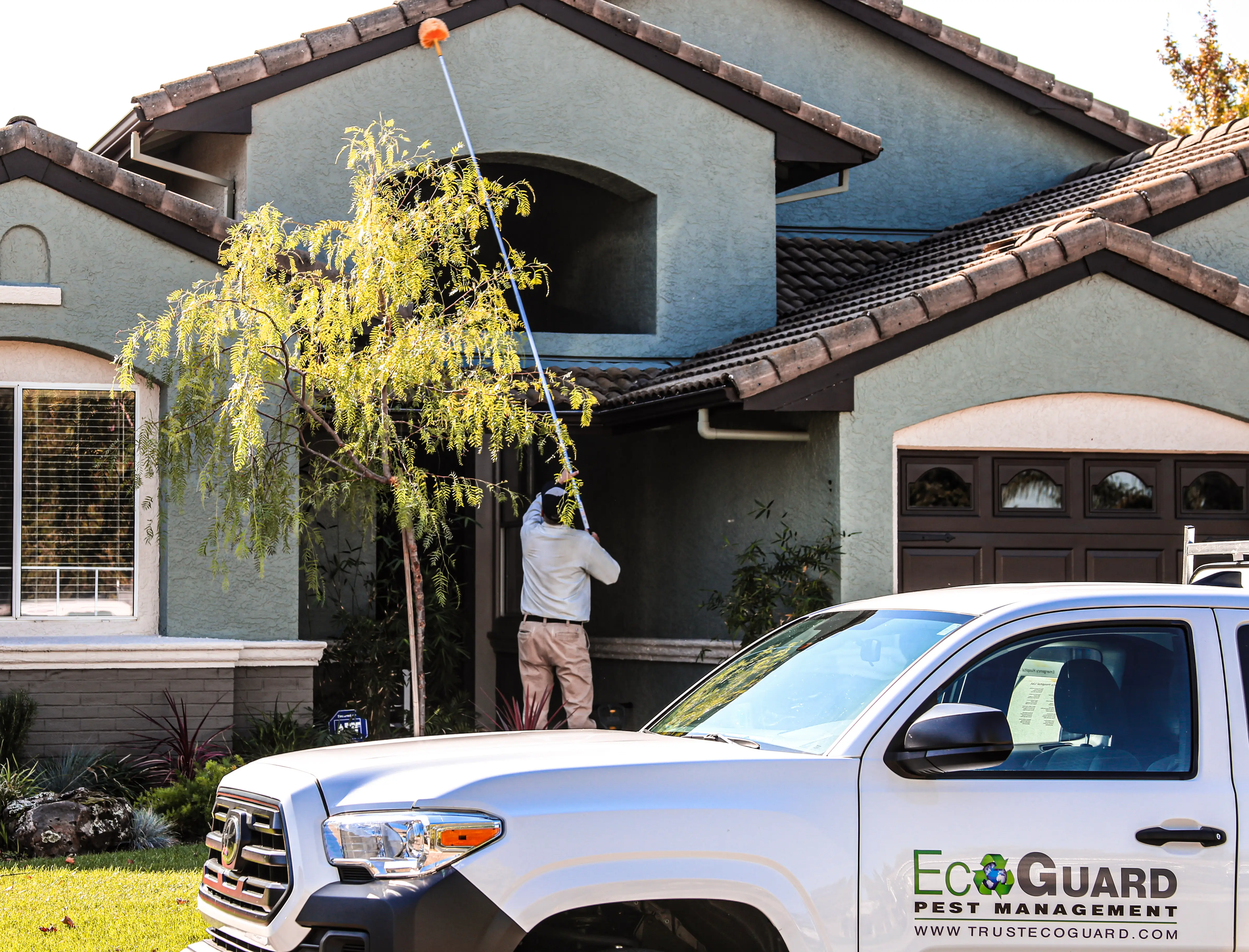
Licensed pest control technicians will evaluate your home to ensure that pests are eliminated. We create customized treatment plans based on your property's specific vulnerabilities, whether you're in a historic Victorian in Olde Towne, a hillside home in Columbia View with river views, a family home in Plymouth or Meadow Park, a property along the Columbia River Highway corridor, a spacious lot in McBride Acres, a home in West St. Helens, or one of the newer developments on the city's growing edges. Our family-friendly products eliminate pests while keeping your loved ones protected.
- ✓Interior and exterior treatments
- ✓Quarterly maintenance programs
- ✓Emergency response available
- ✓Pet and child-friendly options
Commercial Pest Management
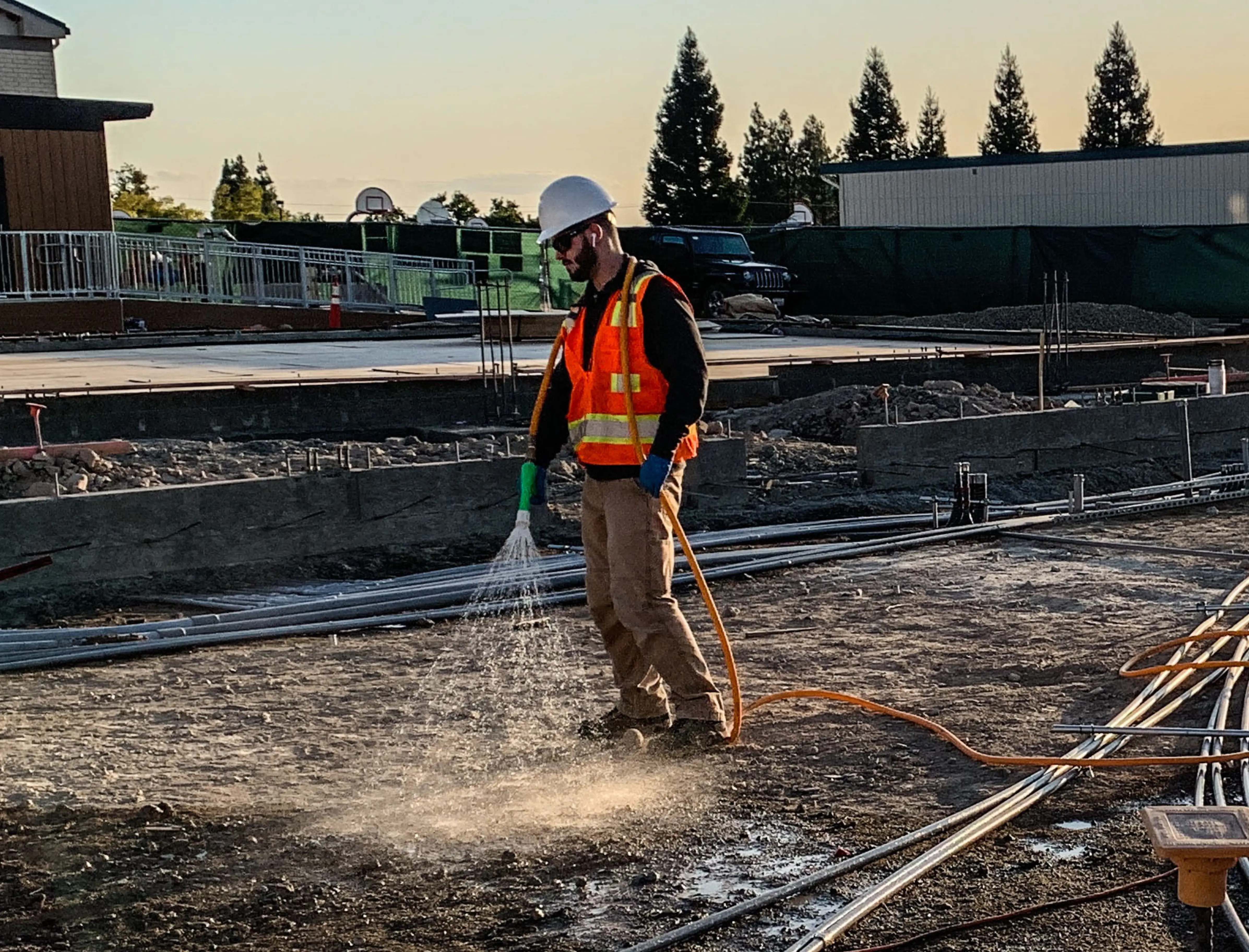
If you own a business, keeping bugs to a minimum is important to maintaining any business operations. From the Riverfront District shops and restaurants to the Highway 30 commercial corridor, the Columbia County government offices, Providence St. Helens medical facilities, the Port of St. Helens operations, the retail centers, and the local businesses that serve this growing community, we provide discrete, effective commercial pest control that maintains your reputation and meets health code requirements.
- ✓Restaurant and retail expertise
- ✓Government facility service
- ✓Healthcare facility compliance
- ✓Documentation for inspections
Termite & Wood-Destroying Organism Inspection
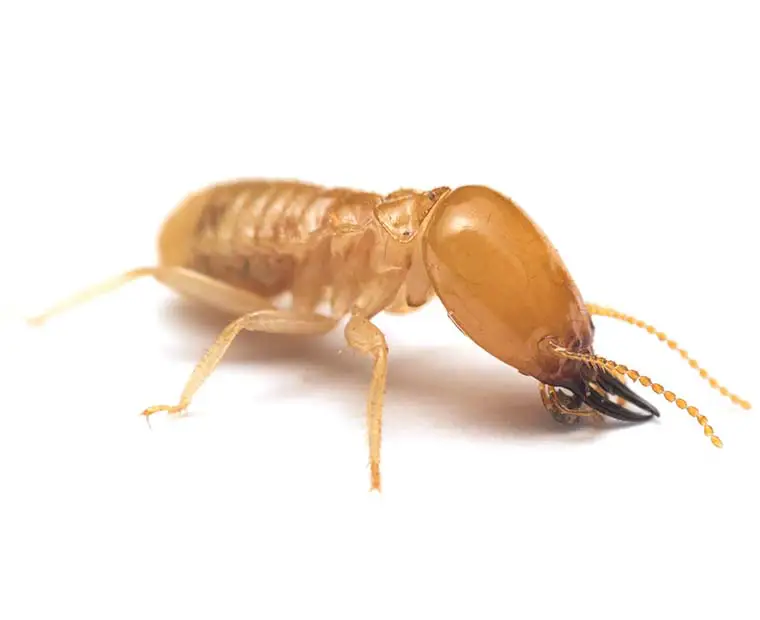
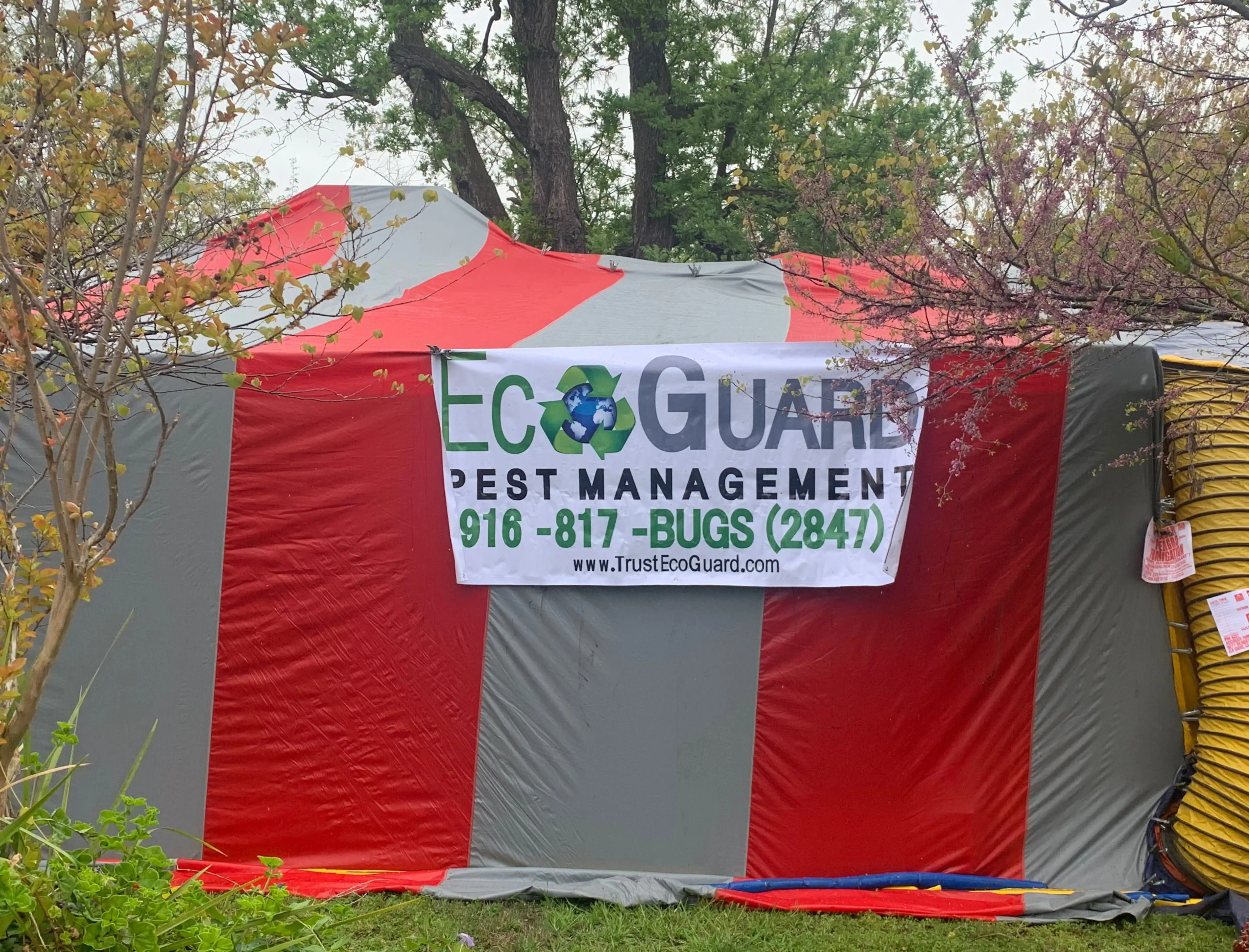
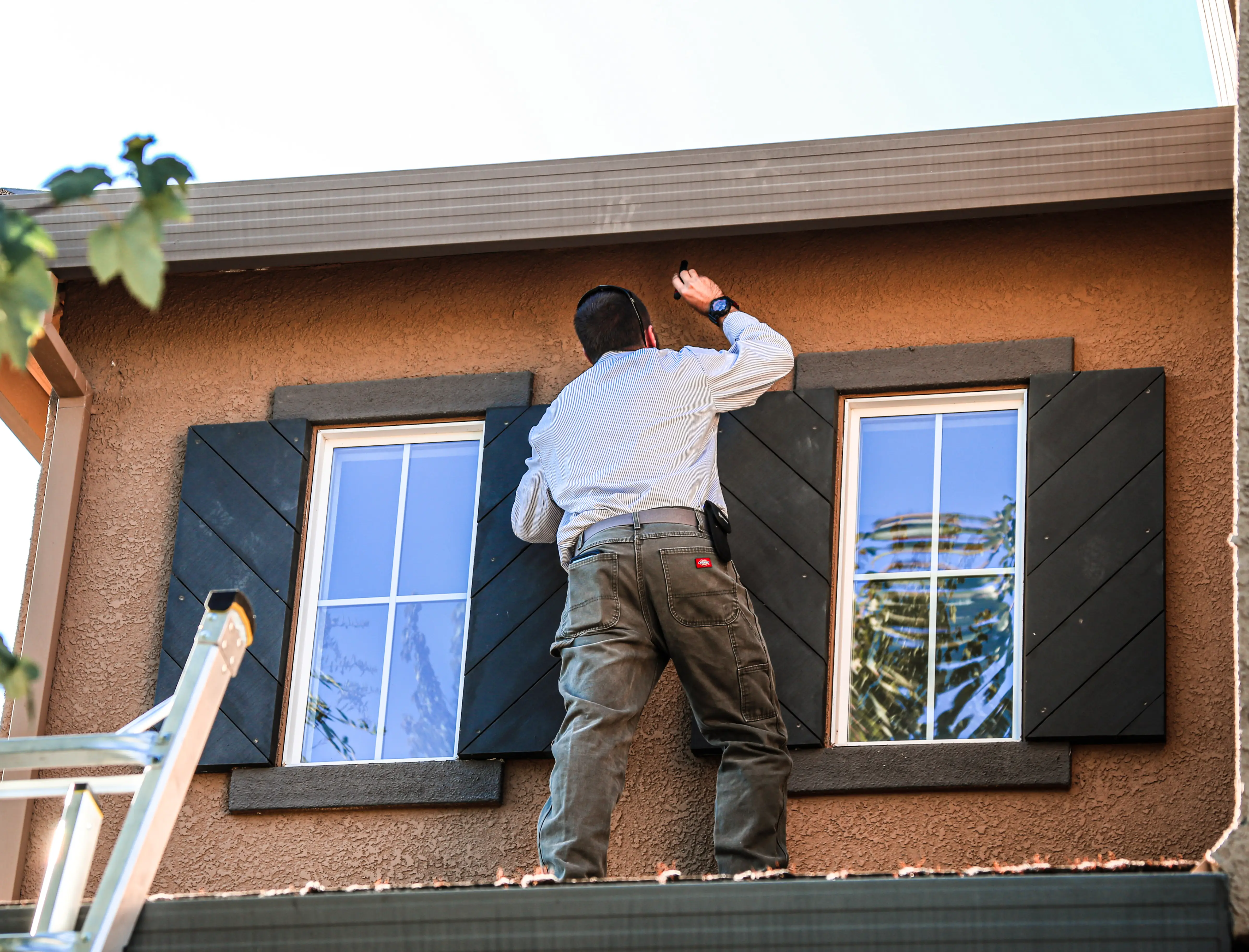
It is important to let our pest control experts find and eradicate termites and wood-destroying organisms before they cause structural damages. St. Helens' approximately 50 inches of annual rainfall, the Columbia River and Milton Creek humidity, and the surrounding forest environment create favorable conditions for dampwood termites and carpenter ants. The historic structures in Olde Towne—some dating to the 1800s—have endured over a century of Pacific Northwest moisture and are especially vulnerable. Even newer homes near the forested edges face wood-destroying organism risk from the surrounding moisture and vegetation. We also work with real estate brokerages and property management to provide wood-destroying organism inspection reports.
- ✓Wood-destroying organism inspections
- ✓Dampwood termite treatment
- ✓Carpenter ant elimination
- ✓Repair referral network
Rodent Control & Exclusion
Rodents like deer mice, roof rats, and Norway rats are prevalent in St. Helens. The Columbia River waterfront and Port of St. Helens support Norway rat populations along the riverbank. Milton Creek provides a rodent corridor through the center of town. The dense second-growth forests surrounding the city harbor deer mice and roof rats that migrate into residential areas. The Riverfront District restaurants and commercial areas generate food sources. And the cool, wet climate drives rodents indoors year-round seeking warmth and dry shelter. Rodent entry points and harborage areas will be cleaned and treated to ensure that all problematic rodents are eliminated.
- ✓Entry point identification
- ✓Professional removal options
- ✓Exclusion and sealing services
- ✓Sanitation recommendations
Additional Pest Control Services Offered in St. Helens
Beyond our core services, we provide specialized treatments for a wide range of pests common to St. Helens. Our technicians are trained to identify and eliminate these local invaders, including the river, forest, and moisture challenges unique to this growing Columbia County community.
St. Helens Carpenter Ant Control
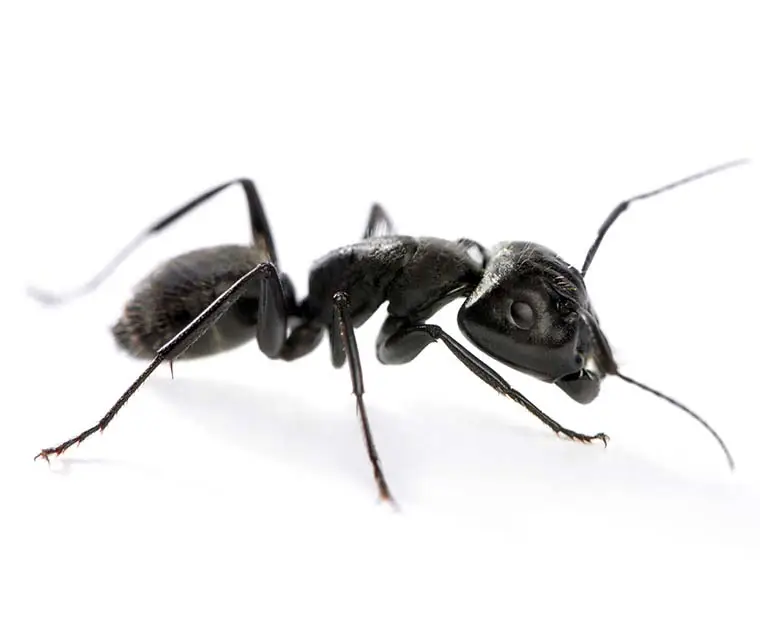
Carpenter ants are one of St. Helens' most destructive pests. The Pacific Northwest moisture softens wood throughout homes, and carpenter ants excavate extensive nesting galleries in the damaged material. They are prevalent in the historic Olde Towne homes as well as newer construction near the forested edges where stumps and decaying wood provide colony sources. EcoGuard Pest Management provides thorough inspection, treatment, and moisture management recommendations.
St. Helens Spider Control
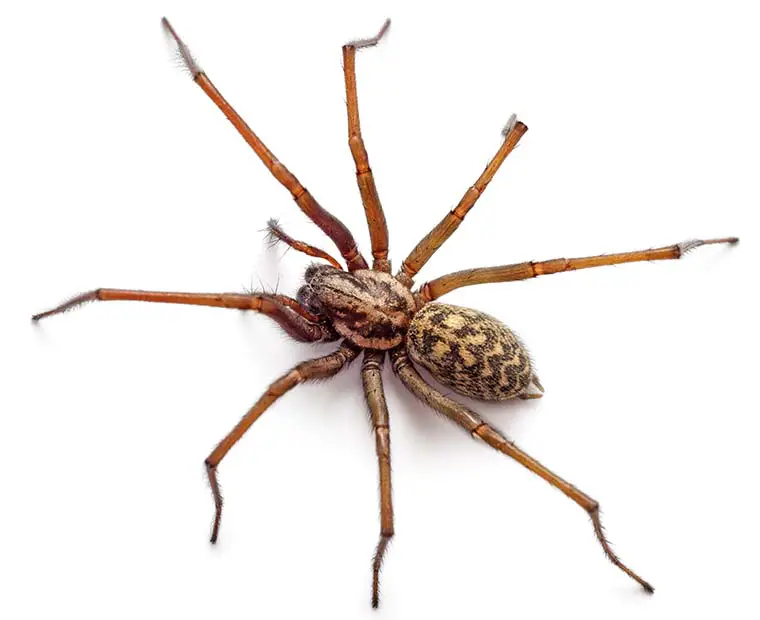
Spiders are abundant in St. Helens due to the moist environment that supports large insect populations. Giant house spiders, hobo spiders, and occasional black widows are found in garages, crawl spaces, basements, and the older structures. The forest edge and creek corridors bring spiders into close contact with homes. EcoGuard Pest Management offers a full inspection to ensure that problem areas are identified and treated.
St. Helens Bed Bug Exterminators
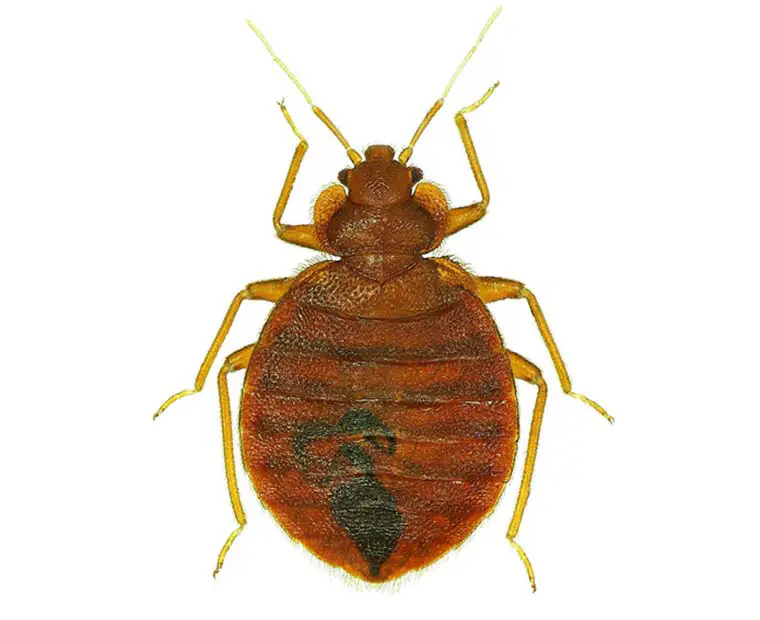
Some signs that a structure has a bedbug problem are visible bites, dark spotting on mattresses, and molted skins. St. Helens' growing population and seasonal tourism—including the popular Spirit of Halloweentown festival that draws thousands of visitors and the Twilight filming connection—create bed bug introduction pathways through hotels and rental properties. EcoGuard Pest Management offers treatment options like local treatment, heat, and fumigation to eliminate all bed bugs.
St. Helens Flea Control
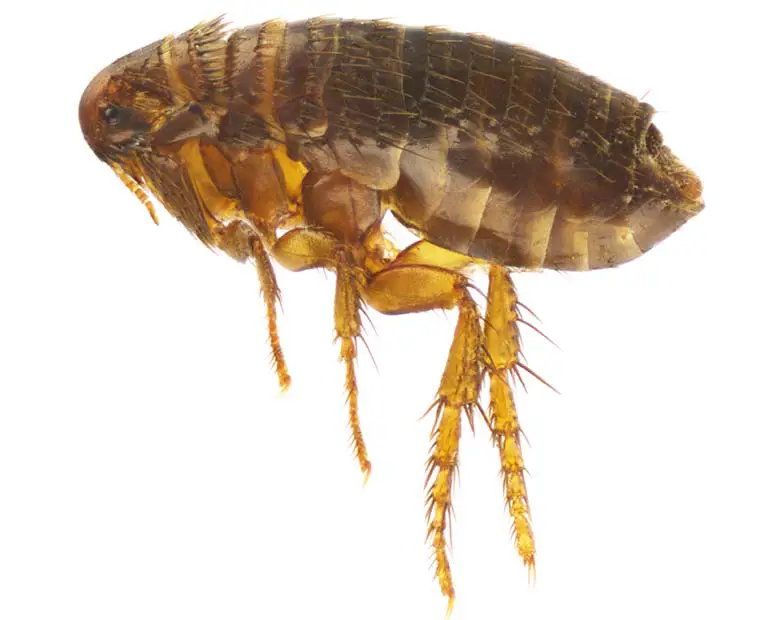
Fleas are a concern in St. Helens due to the forest wildlife—deer, raccoons, coyotes, and other animals—that moves through residential neighborhoods from the surrounding forests, the Columbia River corridor wildlife, and the Sauvie Island wildlife refuge nearby. The mild, wet climate supports year-round flea survival. EcoGuard Pest Management can treat fleas with eco-friendly pesticides that are safe for family and pets.
St. Helens Cockroach Control
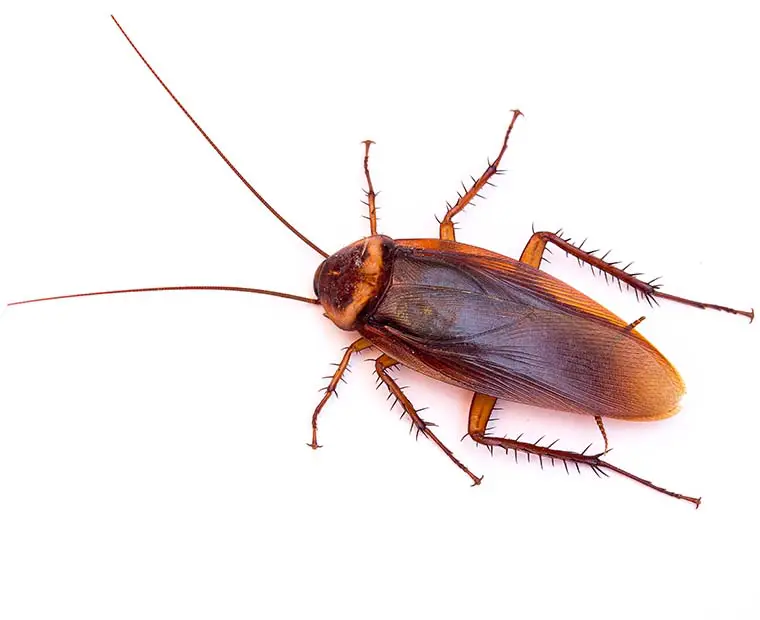
Cockroaches exist in St. Helens, particularly near the Riverfront District and Highway 30 commercial areas. Oriental cockroaches thrive in the damp crawl spaces and basements typical of the area. EcoGuard Pest Management provides thorough cleanout services that target roach harborages.
St. Helens Rodent Control
Rodents are among the most problematic pests in St. Helens. The Columbia River waterfront supports Norway rats. Milton Creek provides a corridor through town. The surrounding forests harbor deer mice and roof rats. The cool, wet climate drives rodents indoors year-round. EcoGuard Pest Management offers comprehensive rodent control including inspection, trapping, exclusion, and ongoing monitoring.
St. Helens Wasp Control
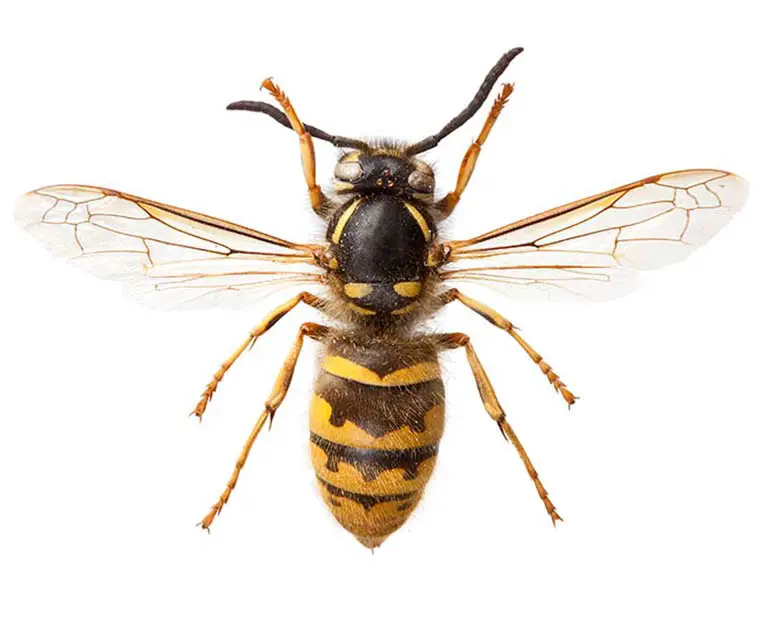
Paper wasps, yellowjackets, and bald-faced hornets build nests under eaves, in ground burrows, and in retaining walls throughout St. Helens. Yellowjackets are particularly common in late summer when populations peak and foraging intensifies. EcoGuard Pest Management provides safe nest removal and preventative treatments to keep your property wasp-free.
Neighborhoods We Serve in St. Helens
St. Helens stretches from the Columbia River waterfront westward into the forested hills, with each neighborhood facing unique pest challenges shaped by proximity to the river, the creeks, the surrounding forests, and the age of construction.
- ◆Olde Towne/Riverfront District – The historic downtown along the Columbia River encounters Norway rats from the waterfront and Port, cockroaches from the restaurant and commercial scene, moisture pests and carpenter ants in the Victorian-era structures dating to the 1800s, and bed bugs from the Spirit of Halloweentown tourism season.
- ◆Columbia View – The hillside neighborhood overlooking the Columbia River encounters roof rats using the mature tree canopy, carpenter ants in homes where the slope creates drainage issues and moisture pools against foundations, spiders, and the wildlife from nearby McCormick Park's forested trails.
- ◆West St. Helens/Houlton – The former town of Houlton merged with St. Helens in 1914, and this western neighborhood encounters carpenter ants and moisture pests in the older housing stock, rodents from the surrounding forest, and the moisture conditions typical of the lower-lying areas.
- ◆Plymouth – The family-friendly southern neighborhood encounters ants, spiders, rodents from the adjacent forest areas, and the moisture pests common throughout St. Helens—the mix of single-family homes and apartments near Plymouth Park provides varied pest harborage.
- ◆Meadow Park – The peaceful residential neighborhood with tree-lined streets encounters roof rats in the mature trees, carpenter ants, moisture pests, and the suburban pest pressure from the well-maintained yards and landscaping that attracts ants and other pests.
- ◆Columbia River Highway/US-30 Corridor – Properties along the Highway 30 commercial and residential corridor encounter cockroaches and rodents from the commercial food-service operations, ants, and the pests associated with the mix of commercial and residential land use.
- ◆McBride Acres/East Side – The more rural, spacious properties on the eastern edge encounter significant rodent pressure from the surrounding forest, deer mice, wildlife intrusion from the rural environment, gophers, and carpenter ants in the homes backed by dense vegetation.
- ◆Near Milton Creek/Central – Properties along Milton Creek encounter rodents using the creek as a corridor through town, mosquitoes from seasonal standing water, elevated ground moisture supporting dampwood termites and carpenter ants, and the riparian wildlife that follows the waterway.
Don't see your neighborhood? We likely serve your area too!
Check Service AvailabilityWhy Choose EcoGuard for St. Helens Pest Control?
Local expertise combined with proven methods for effective, lasting pest control
- ◆Over 40 Years of Experience: EcoGuard Pest Management has been providing pest control for over 40 years, developing effective integrated pest management strategies for the most problematic pests in the Pacific Northwest and the greater region.
- ◆Eco-Conscious Methods: St. Helens values its Columbia River waterfront, Milton Creek, the surrounding forests, Scappoose Bay, and the proximity to Sauvie Island's wildlife refuge. Our integrated pest management approach prioritizes targeted treatments that minimize environmental impact—critical in a community where the river, forests, and wetland ecosystems are integral to the quality of life.
- ◆Licensed, Bonded & Insured: Every EcoGuard technician is state-licensed, background-checked, and continuously trained on the latest pest control methods and safety protocols. We are fully bonded and insured for your protection.
- ◆Columbia River Community Expertise: St. Helens sits on the Columbia River at the confluence with Multnomah Channel, near the northern tip of Sauvie Island. We understand the Norway rat pressure from the waterfront and Port, the rodent corridors along Milton Creek, the carpenter ant and dampwood termite conditions in this river-influenced moisture environment, and the dramatically different pest profiles between the historic Olde Towne waterfront, the hillside neighborhoods, and the forest-edge newer development.
- ◆Growing Community Expertise: St. Helens has grown over 44% since 2000 as Portland-area families discover this affordable Columbia County community. We serve both the historic structures in Olde Towne that have endured over a century of Pacific Northwest moisture and the newer subdivisions where construction disturbs existing pest habitats and forest-edge development brings homes into direct contact with rodent and wildlife populations.
- ◆Satisfaction Guarantee: We stand behind our work. Our guarantee means that if the bugs come back, then so do we, at no additional cost until the problem is resolved.
Signs of Pest Infestation in Your St. Helens Home or Business
When searching for pest control in St. Helens, you want professionals who understand this Columbia River community's combination of river waterfront, creek corridors, surrounding forests, and mixed historic and newer housing stock. We help homeowners and businesses identify and eliminate pests quickly.
Signs of a pest infestation can vary depending on the type of pest, but often include noticeable indicators like:
- ◆Sawdust-like frass – Piles of wood shavings near wood surfaces—the signature sign of carpenter ants excavating nesting galleries. In St. Helens' wet climate, carpenter ants are one of the most destructive pests, especially in Olde Towne's historic homes and forest-edge properties.
- ◆Soft or damaged wood – Wood that feels soft, spongy, or crumbles—dampwood termites, carpenter ants, and wood-decay fungi thrive in St. Helens' moisture. Check crawl spaces, subfloor framing, window frames, and exterior trim.
- ◆Droppings – Small pellets from rodents in cabinets, corners, garages, or attic spaces—the Columbia River waterfront, Milton Creek, and surrounding forests all support rodent populations that migrate into homes.
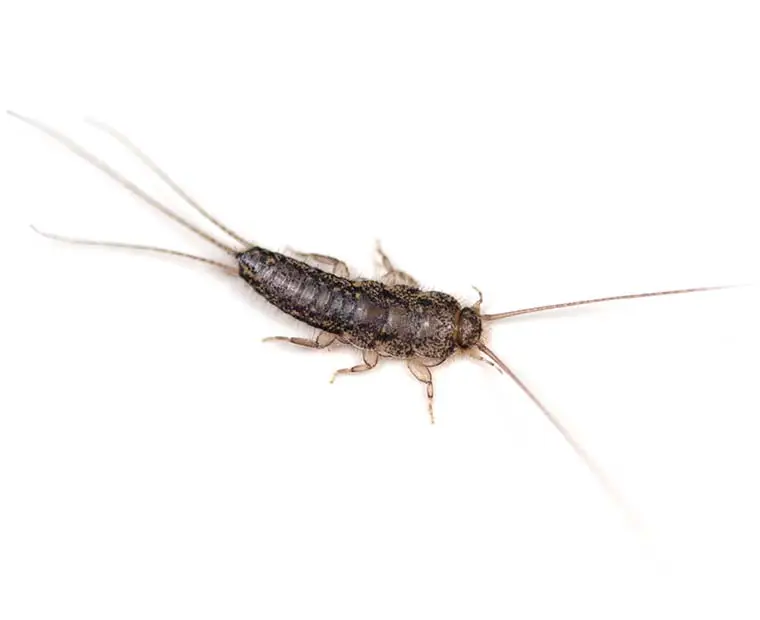
- ◆Moisture pest activity – Sowbugs, pillbugs, earwigs, silverfish, or moisture beetles in crawl spaces, basements, and damp areas—common throughout St. Helens and indicate moisture conditions that may also support wood-destroying organisms.
- ◆Gnaw marks – Chewed wires, food packaging, or structural elements—rodent activity is common near the waterfront, along Milton Creek, and in homes backed by forest.
- ◆Winged insects near windows – Swarms of winged insects emerging from wood or near windows in spring means reproductive dampwood termites or carpenter ants are establishing new colonies.
- ◆Spider webs in damp areas – Dense spider activity in crawl spaces, basements, garages, and covered areas—the moisture supports abundant insect prey, attracting large spider populations including giant house spiders.
- ◆Ant trails along foundations – Lines of ants along foundation edges, especially after rain—moisture-loving ants are active throughout the wetter months, and carpenter ant trails may indicate a colony in the structure.
- ◆Bed bug indicators – Small blood spots on sheets or dark fecal spots on mattress seams—St. Helens' growing tourism, including the Spirit of Halloweentown festival, creates seasonal bed bug introduction risk.
Early Detection Matters: If you notice any of these signs in your St. Helens property, contact EcoGuard immediately. Early intervention prevents small problems from becoming major infestations and saves you time, money, and stress.
Pest Prevention Tips for St. Helens Residents
While we're always ready to solve your pest problems, preventing infestations is even better. Here are practical steps St. Helens property owners can take to address the river, forest, moisture, and growth-related pest pressures unique to this Columbia County community.
- ◆Manage Moisture—The Foundation of PNW Pest Control: With approximately 50 inches of annual rainfall and the Columbia River and Milton Creek contributing humidity, controlling moisture is essential. Ensure crawl spaces are properly ventilated or encapsulated, maintain functioning gutters and downspouts, grade soil away from foundations, and repair roof leaks immediately. Dampwood termites, carpenter ants, and moisture beetles all require persistent moisture to thrive.
- ◆Manage Forest-Edge Vegetation: St. Helens is surrounded by dense second-growth forest, and many newer developments push into forested areas. Keep tree branches trimmed at least four feet from structures, clear vegetation from foundations, remove stumps and decaying wood near homes, and manage the moss growth that retains moisture on wood surfaces and roofing.
- ◆Secure Against Waterfront and Creek Rodents: The Columbia River waterfront and Milton Creek corridor support rodent populations that migrate into residential areas. Seal all entry points larger than a quarter inch, store food securely, maintain trash in sealed containers, and address gaps in foundations. Properties near the river and creek should maintain ongoing prevention.
- ◆Protect Historic Structures: Olde Towne's Victorian-era homes have endured over a century of Pacific Northwest moisture. Maintain exterior paint and caulking, replace deteriorated wood promptly, address wood-to-soil contact, and schedule annual wood-destroying organism inspections. These architecturally significant structures require proactive care.
- ◆Address New Construction Pest Displacement: St. Helens' rapid growth means new development is pushing into previously forested areas. Construction disturbs existing rodent, ant, and wildlife habitats, displacing them into adjacent homes. New homeowners near development activity should be especially vigilant and consider preventative pest service.
- ◆Schedule Regular Inspections: St. Helens' river environment, surrounding forests, creek corridors, and Pacific Northwest moisture create year-round pest pressure. Professional inspections catch problems early—quarterly service is recommended, with annual wood-destroying organism inspections essential for all properties.
4.8 average rating across 968 reviews
What St. Helens Customers Say About Us
St. Helens Pest Control Frequently Asked Questions
We Cover Pest Control in the Greater St. Helens Area
EcoGuard's team of local pest experts can help you protect what matters most. With technicians throughout the region, our professional exterminators address the most common pests in St. Helens and can help with specialized treatment plans.
Get Your Free St. Helens Pest Control Estimate
Schedule your complimentary estimate today. Our local experts will assess your property and provide a customized treatment plan.
Eliminate Pests and Prevent Future Problems
We're here for you with professional pest control services in St. Helens. Call now for fast, effective solutions backed by our satisfaction guarantee.