
EcoGuard Pest Management
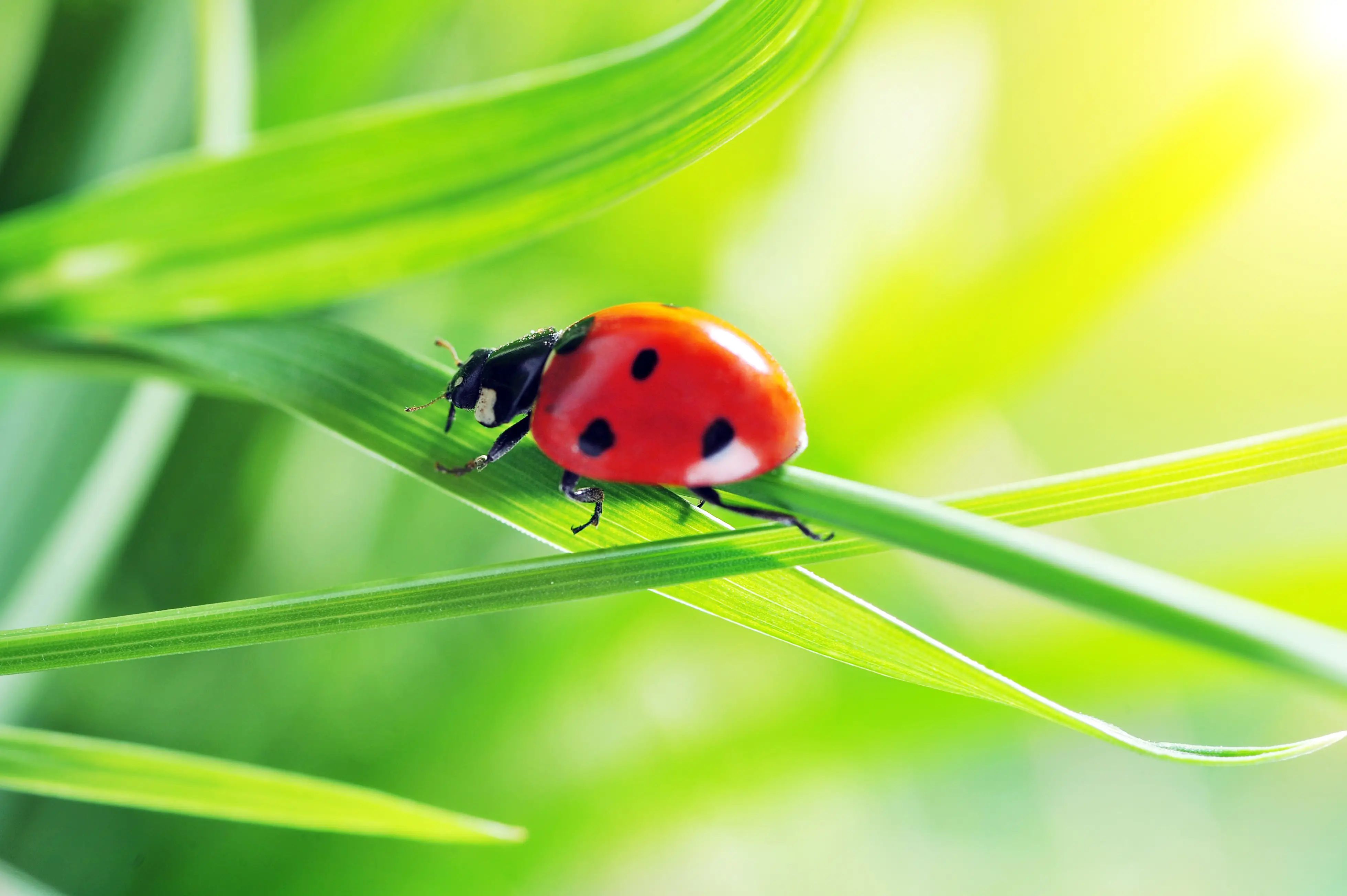
Close-up of ladybug on a leaf
By Gary Anderson||7 min read

Do Ladybugs Bite Humans?

Separating fact from fiction about these colorful beetles and their potential to bite.

Ladybugs, despite their charming appearance and reputation as beneficial garden insects, are indeed capable of biting humans. While not all of the approximately 5,000 species in the Coccinellidae family are prone to biting, some can and do bite when they feel threatened or are searching for moisture.

While typically not dangerous, these bites can result in mild irritation and may leave visible marks on the skin's surface. The misconception that ladybugs are entirely harmless stems from their popular image as cute, colorful creatures and symbols of good luck.

The Short Answer

Yes, ladybugs can bite. Their mandibles are generally not strong enough to break skin or cause bleeding. What feels like a bite is often a pinching sensation from their back legs used as a defense mechanism. Bites are typically harmless, causing only a small red mark that resolves within hours to a day.

Ladybug Facts

Species
About 5,000 worldwide
Size
0.8mm to 18mm
Diet
Aphids, mites, pollen

What Are Ladybugs?

Ladybugs, scientifically known as Coccinellidae, are a diverse family of small beetles comprising roughly 5,000 species. They range in size from 0.8mm to 18mm (approximately 3/4 of an inch).

Vibrant colors: yellow, orange, red
Often with black spots
Small compact bodies
Short black legs
Brief antennae

Beneficial Insects: Ladybugs are commonly associated with garden pest control and are considered beneficial in outdoor environments. However, they can become problematic when entering homes in large numbers.

Do All Ladybugs Bite?

While all ladybug species possess mandibles capable of biting, not all are equally likely to do so. The propensity for biting varies among species. Research shows ladybugs may be more inclined to bite hairless areas of skin, with females slightly more prone to biting than males.

Common Biting Species in the U.S.

Asian Lady Beetle

Harmonia axyridis - Most likely to bite and invade homes in fall.

Convergent Lady Beetle

Hippodamia convergens - Common garden species.

Seven-Spotted Lady Beetle

Coccinella septempunctata - Classic red with black spots.

Two-Spotted Lady Beetle

Adalia bipunctata - Smaller species with two spots.

What Does a Ladybug Bite Look Like?

Appearance

A small, raised, reddish bump similar to a mild insect bite or sting. Rarely exceeds a few millimeters in diameter. The redness is due to the body's reaction to substances in the ladybug's mouthparts.

Pain Level

Often described as a mild, momentary discomfort similar to a brief pinch or sharp flick. More surprising than painful. Any discomfort typically dissipates quickly, lasting minutes to a few hours.

Note: What appears to be a bite mark might sometimes be the result of a pinch from the ladybug's legs rather than an actual bite. Bite marks are minor and tend to resolve on their own within a few hours to a day.

Are Ladybugs Harmful?

Ladybugs can pose certain nuisances and minor health concerns, though they are generally not dangerous. Their primary defensive mechanism is not biting, but rather reflex bleeding, where they release hemolymph (insect blood) from their leg joints when threatened.

Reflex Bleeding

Yellowish fluid with a distinct, unpleasant odor. Can cause mild skin irritation or staining on surfaces.

Allergic Reactions

Rare cases of reactions to hemolymph or respiratory issues when large numbers are present indoors.

Home Invasions

Main issue arises when they enter homes in large numbers seeking warmth during colder months.

Are Ladybugs Deadly?

No. Ladybugs are not deadly or seriously harmful to humans. Unlike some insects that transmit diseases, ladybugs do not pose such risks. If unusual symptoms develop following a ladybug encounter (extensive swelling, signs of infection, or severe allergic reactions), seek medical attention.

Dealing with a Ladybug Infestation?

Large numbers of ladybugs in your home can be frustrating. Our experts provide safe, effective removal while respecting these beneficial insects.

Call (866) 326-2847

What Attracts Ladybugs?

Ladybug behavior changes seasonally. In warmer seasons, they are attracted to gardens with aphids and soft-bodied insects. As temperatures drop in fall and winter, they seek shelter in warmer environments, leading them to invade homes and buildings.

Light-colored or white surfaces
Warm surfaces from sun exposure
Certain plant scents
Fermented fruits

Prevention Tips

Seal Entry Points

Ensure all doors, windows, and small gaps are properly sealed using weather stripping, caulk, or other appropriate materials.

Inspect Utilities

Check and seal openings around pipes, wires, and cables entering the home.

Natural Repellents

Plant or place ladybug-repelling plants like mums and lavender near potential entry points.

How to Get Rid of Ladybugs

Managing a ladybug infestation involves a combination of removal techniques and preventive measures:

Insecticide Application

Utilize targeted sprays around the exterior, focusing on potential entry points. Most effective in early fall before ladybugs seek winter shelter.

Physical Removal

Regular vacuuming and sweeping can eliminate ladybugs inside. Handle carefully to avoid triggering reflex bleeding, which can stain surfaces.

Trapping

Implement homemade or commercial ladybug traps to capture and remove these insects without harming them.

Diatomaceous Earth

Apply in strategic locations to create barriers that deter ladybugs from entering or moving through your home.

Important: Dispose of captured or deceased ladybugs promptly to prevent potential allergic reactions from their remains. For severe cases, consulting with a professional pest control service may be necessary.

Contact EcoGuard Pest Management if You Are Dealing with Ladybugs

While ladybugs are generally beneficial insects, dealing with a large-scale infestation in your home can be challenging. EcoGuard Pest Management specializes in environmentally responsible pest control solutions. Our experienced team can assess your situation, identify entry points, and implement effective, tailored strategies to remove ladybugs while preventing future invasions. We understand the importance of maintaining balance between pest control and preserving beneficial insects in the environment.

Call (866) 326-2847Get Free Quote

Ladybug Bite FAQs

What happens if a ladybug bites you?

If a ladybug bites you, it typically results in a small, red mark on the skin that may be slightly raised. The bite is generally harmless and causes only minor, temporary discomfort that is described as a brief pinching sensation. While rare, some individuals may experience a mild allergic reaction, resulting in increased itching or swelling around the bite area, but serious complications from ladybug bites are extremely uncommon.

Do red or orange ladybugs bite?

Both red and orange ladybugs have the capability to bite, as the color of the ladybug does not determine its biting behavior. The propensity to bite is more related to the specific species of ladybug rather than its coloration, with some species being more likely to bite than others when they feel threatened or are searching for moisture. However, it is important to note that regardless of color, ladybug bites are generally rare and mostly harmless to humans.

Are ladybug bites itchy?

Ladybug bites can cause mild itching in some individuals, but the sensation is typically not intense or long-lasting. The itchiness, if present, is often due to the body's reaction to the ladybug's saliva or the irritation from the bite itself. However, for most people, ladybug bites are more likely to cause a brief pinching sensation rather than significant itching, and any discomfort usually subsides quickly.

Is it OK to touch a ladybug?

Generally, it is safe to touch a ladybug, as they are not harmful to humans and do not typically bite unless threatened. However, it is important to handle them gently to avoid triggering their defense mechanism of releasing a yellowish, foul-smelling fluid from their leg joints. If you do choose to handle a ladybug, it is best to let it crawl onto your hand rather than picking it up, and always wash your hands afterward to remove any residue.