EcoGuard Pest Management
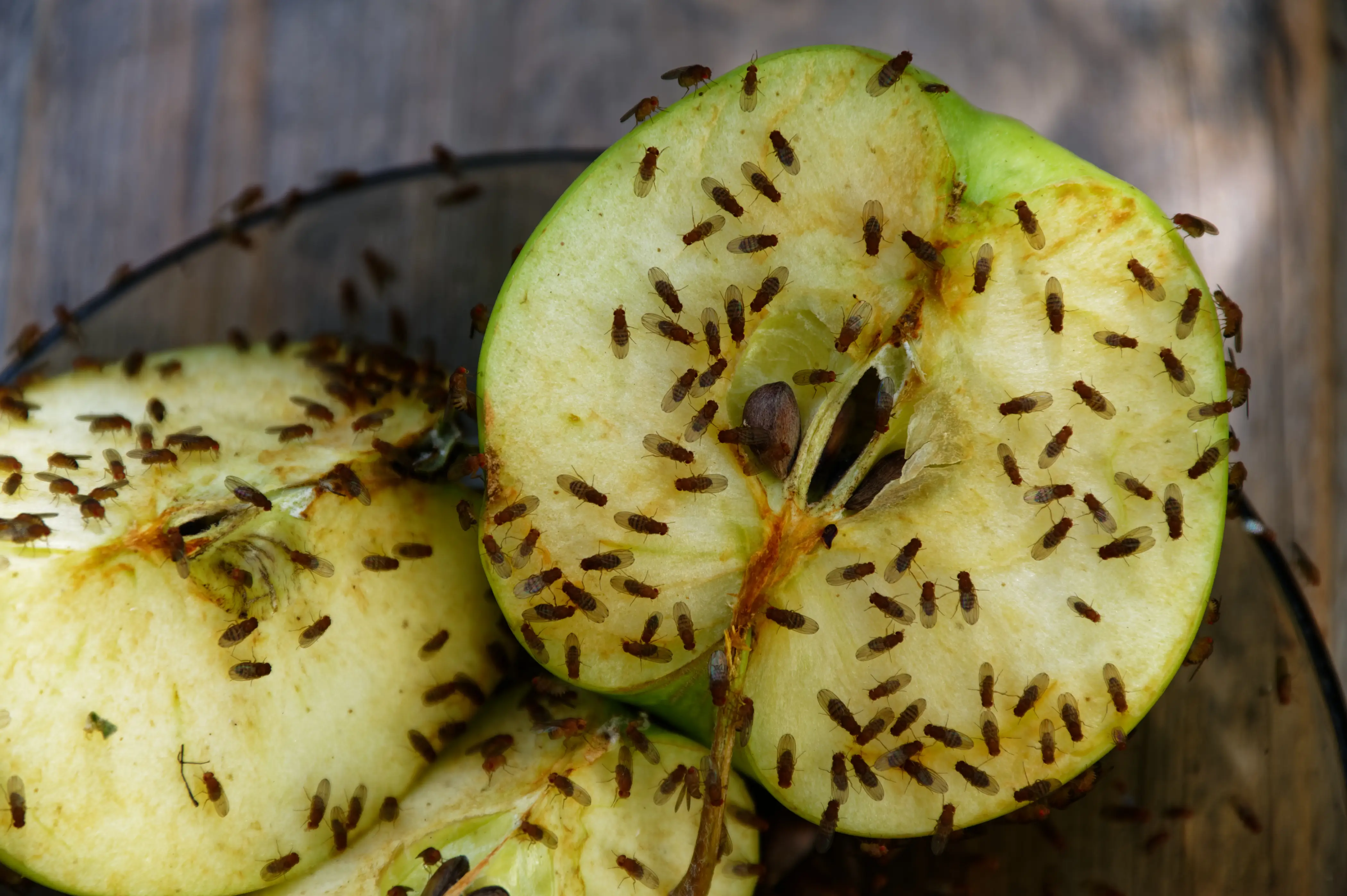
Fruit flies on ripe fruit
By Gary Anderson||8 min read

Where Do Fruit Flies Come From?

Discover the origins of these persistent pests and learn how to eliminate and prevent infestations.

Fruit flies, scientifically known as Drosophila melanogaster, are tiny yet persistent household pests that seem to appear out of nowhere, particularly during late summer and fall. These small insects are characterized by their reddish eyes and tan or brownish bodies.

Contrary to popular belief, fruit flies do not spontaneously generate from fruit itself. Instead, they typically enter homes on fruits or vegetables that already contain eggs or larvae, or they fly in from outside through open doors and windows, attracted by the scent of ripe produce.

Rapid Reproduction

Once inside, fruit flies reproduce at an alarming rate. Females can lay up to 500 eggs in their lifetime, and the life cycle can be completed in just about a week under optimal conditions. This explains their seemingly mysterious sudden appearance.

Quick Facts

Eggs
Up to 500 per female
Life Cycle
8-10 days to adulthood
Lifespan
40-50 days (adults)

Signs of a Fruit Fly Problem

Recognizing the signs of a fruit fly infestation early is key to preventing a larger problem:

Hovering Insects

Small, gnat-like insects hovering around fruit bowls, trash cans, or sink areas in your kitchen.

Light Attraction

Fruit flies congregating near windows or light fixtures, especially in the evening when most active.

Dark Spots on Produce

Small, dark spots on ripe fruits or vegetables, which could be fruit fly eggs or larvae.

Where Can Fruit Flies Come From?

Fruit flies can enter homes through various means and often go unnoticed until an infestation becomes apparent. Their small size and keen sense of smell make it easy for them to find their way into living spaces.

Produce

Fruits and vegetables from grocery stores or gardens may already contain fruit fly eggs or larvae when you bring them home.

Open Entry Points

They can squeeze through tiny cracks in walls, loose seals around doors and windows, or fly in through open entrances.

Drains and Disposals

Decomposing organic substances in kitchen sinks, waste disposal units, and mop storage areas attract fruit flies.

Outdoor Sources

Compost piles, fallen fruit in gardens, or nearby dumpsters serve as breeding grounds that can spread to your home.

What Causes Fruit Flies?

The primary cause of fruit fly infestations is the presence of moist, fermenting organic matter that provides an ideal environment for feeding and breeding. While their name suggests a preference for fruits, they are attracted to a wide range of decaying organic materials.

Overripe ProduceFermenting fruits and vegetables
Fermented BeveragesOpen beer, wine, alcohol
DrainsOrganic residue buildup
Trash & CompostImproperly sealed bins
Moist ToolsDamp mops, sponges, rags

The Attraction: Fruit flies are drawn to the yeast and fungi that develop on fermenting materials. These provide food for adults and create ideal conditions for egg laying and larval development.

Where Do Fruit Flies Lay Eggs?

Fruit flies select sites that provide optimal conditions for their offspring. They deposit eggs on or near fermenting fruits, vegetables, and other moist organic materials. The eggs, which are incredibly small and pale, are often laid in clusters of up to 500 in areas difficult to spot:

Crevices in fruit skin
Edges of rotting produce
Organic film in drains
Garbage disposal residue

When Are They Active?

Peak activity during summer and early fall. Populations surge when temperatures are above 53°F (12°C). Can be present year-round in temperature-controlled indoor environments.

How Long Do They Live?

Adults can survive 40 to 50 days under ideal conditions. Life cycle from egg to adult completes in 8-10 days. Optimal temperature around 85°F (29°C) accelerates reproduction.

Are Fruit Flies Harmful?

While fruit flies are generally considered more of a nuisance than a direct health threat, they do pose some potential risks. They do not bite, sting, or produce venom, making them relatively harmless in direct interactions with humans.

Potential Health Risks

Their habit of frequenting both decaying organic matter and food preparation areas makes them potential vectors for bacteria and pathogens. Fruit flies can carry and transfer harmful microorganisms such as E. coli, Salmonella, and Listeria from contaminated surfaces to clean ones. However, the risk is generally low and can be mitigated through proper sanitation.

Persistent Fruit Fly Problem?

Our experts locate hidden breeding sites and implement targeted solutions to eliminate infestations at the source.

Call (866) 326-2847

How to Get Rid of Fruit Flies

Effectively eliminating fruit flies requires a multi-faceted approach that combines immediate elimination tactics with long-term prevention strategies.

Trapping Methods

Apple Cider Vinegar Trap

Mix apple cider vinegar and dish soap in a container. Cover with plastic wrap with small holes. Flies enter but cannot escape.

Ripe Fruit Bait

Use overripe fruit in a jar with a paper funnel. Flies are attracted in but struggle to find the way out.

Commercial Traps

Store-bought fruit fly traps designed for indoor use offer convenient, effective solutions.

Eliminate Breeding Sites

Dispose of overripe produce promptly
Clean garbage disposals and sinks
Sanitize trash cans regularly
Wash dish rags and towels frequently
Clean pet food bowls
Empty produce containers

Persistence is Key: It may take several days to completely eradicate an established population. Combine multiple methods for best results.

How to Prevent Fruit Flies

Preventing fruit fly infestations requires a proactive approach focused on eliminating potential attractants and breeding sites.

Produce Management

  • Store in airtight containers or refrigerator
  • Dispose of overripe items promptly
  • Inspect produce before bringing home

Kitchen Hygiene

  • Clean spills and residue immediately
  • Sanitize garbage disposals and drains
  • Seal and empty trash cans frequently

Moisture Control

  • Fix plumbing leaks promptly
  • Keep sponges and dishcloths dry
  • Ensure proper ventilation

Home Maintenance

  • Install mesh screens on windows/doors
  • Seal cracks and entry points
  • Regularly inspect food storage areas

Contact EcoGuard Pest Management if You Are Dealing with Fruit Flies

If you have tried various DIY methods but still face a persistent infestation, it may be time to seek professional assistance. EcoGuard Pest Management specializes in fruit fly problems and offers targeted solutions that address both immediate infestations and long-term prevention. Our experienced technicians identify hidden breeding sites, implement effective control measures, and provide tailored advice to keep your home fruit fly-free.

Call (866) 326-2847Get Free Quote

Source of Fruit Flies FAQs

How do fruit flies spawn out of nowhere?

Fruit flies do not actually spawn out of nowhere, though it may seem that way due to their rapid reproduction. They typically enter homes on fruits or vegetables that already contain eggs or larvae, or they fly in from outside attracted by the scent of ripe produce. Once inside, female fruit flies can lay hundreds of eggs in a short period, and with a life cycle that can complete in just 8-10 days under ideal conditions, populations can explode quickly, giving the illusion of sudden appearance.

What is the main cause of fruit flies in the house?

The main cause of fruit flies in the house is the presence of moist, fermenting organic matter that attracts them and provides an ideal breeding environment. This typically includes overripe fruits and vegetables but can also involve less obvious sources such as residue in drains, garbage disposals, empty bottles and cans, or damp mops and sponges. Fruit flies are drawn to the yeast and fermentation processes in these materials, which not only provide food for adults but also create perfect conditions for laying eggs and larval development.

What is the fastest way to get rid of fruit flies?

The fastest way to get rid of fruit flies typically involves a two-pronged approach: eliminating their breeding sites and trapping the existing adult population. Start by removing all sources of fermenting organic matter, such as overripe fruits, and thoroughly cleaning drains and garbage areas. Simultaneously, set up apple cider vinegar traps (a bowl of apple cider vinegar mixed with a few drops of dish soap, covered with plastic wrap with small holes) in affected areas to quickly capture adult fruit flies. This combination of source elimination and trapping can significantly reduce fruit fly populations within a few days, though complete eradication may take a week or more depending on the severity of the infestation.

Why do I have fruit flies with no fruit?

Fruit flies can persist in homes even without visible fruit due to less obvious sources of moisture and organic matter. These pests can breed in damp areas like sink drains, garbage disposals, empty bottles or cans, mop buckets, and even the soil of overwatered houseplants. Additionally, fruit flies may be attracted to other fermented or sugary substances in your home, such as spilled juice, soda residue, or even residual beer or wine in recyclables, making it possible to have an infestation without apparent fruit sources.