
EcoGuard Pest Management
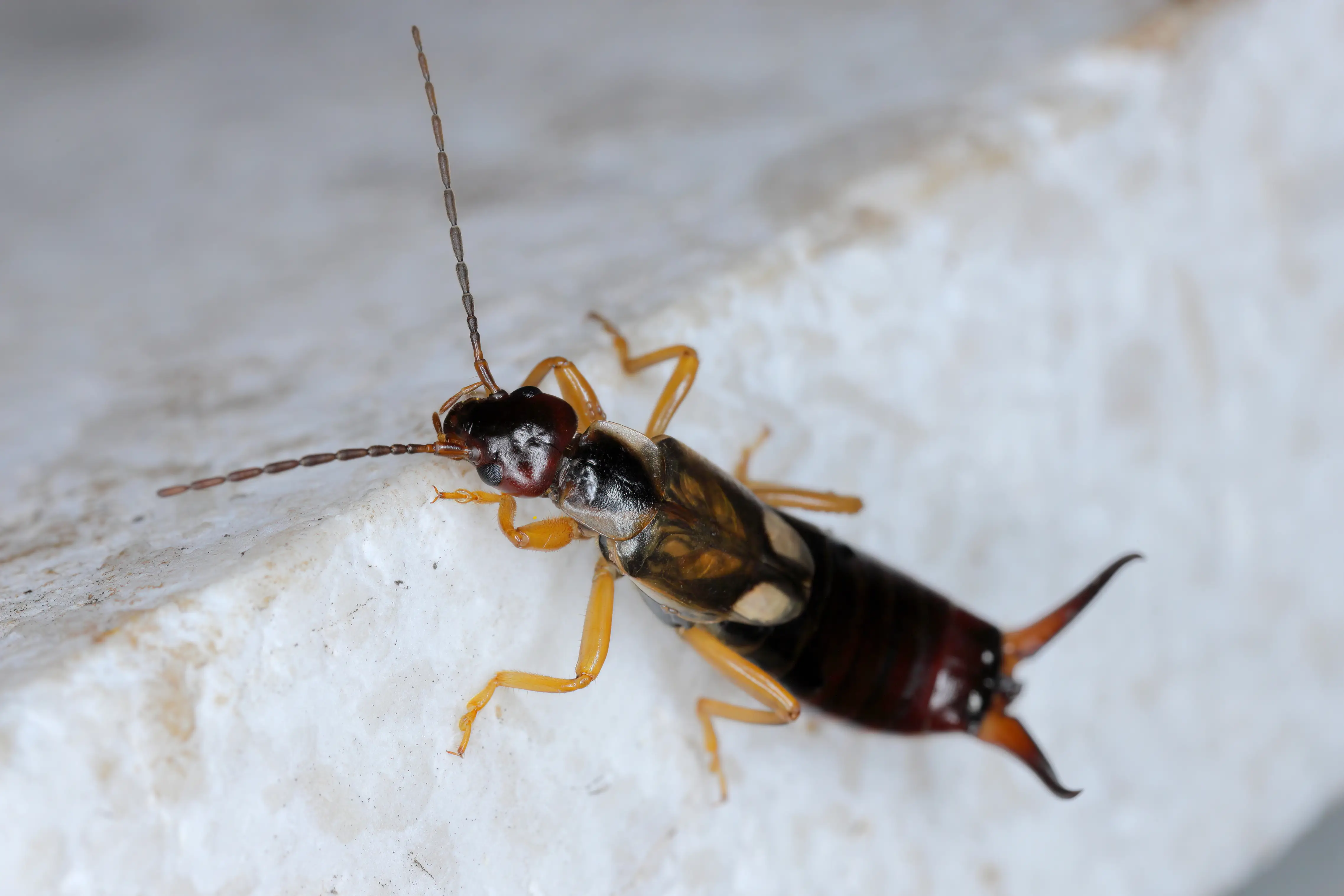
Earwig showing distinctive pincers
By Gary Anderson||8 min read

Are Earwigs Dangerous to Humans?

Separating myth from fact about these misunderstood insects and their actual impact on humans.

Earwigs, with their distinctive pincers and nocturnal habits, have long been the subject of myths and misconceptions. Many people wonder if earwigs are dangerous to humans.

Despite their somewhat intimidating appearance, these small insects are often misunderstood. Contrary to popular belief, earwigs do not pose significant threats to human health or safety.

The Short Answer

No, earwigs are not dangerous to humans. They do not bite, are not poisonous, do not spread diseases, and contrary to the myth, they do not crawl into ears to lay eggs. Their primary impact is on gardens and plants, not human health.

Quick Facts

Do Not Bite
They may pinch if threatened
Not Poisonous
No venom or toxins
No Diseases
Not disease carriers

Are Earwigs Harmful?

While earwigs may appear menacing due to their distinctive pincers, they are generally harmless to humans. These nocturnal insects primarily use their pincers for defense against other insects, mating rituals, and hunting prey.

If an Earwig Pinches You

If an earwig feels threatened, it may attempt to pinch, which can cause minor discomfort rather than serious harm. The pinch rarely breaks the skin. If it does, simple first aid measures are sufficient: clean the area with soap and water and apply an antibiotic ointment.

Do Earwigs Bite?

The Answer: No

Earwigs lack the necessary mouth parts to inflict a bite on human skin. Instead, they possess a pair of forceps-like appendages called cerci at the end of their abdomen, which they can use for self-defense if threatened.

Pinching Is Rare

While an earwig may attempt to pinch, such occurrences are rare and typically happen only when the insect is handled or accidentally trapped against skin. They do not use pincers to spread diseases or inject venom.

Bottom Line: Earwigs are generally considered nuisance pests rather than dangerous insects. Their primary impact is on gardens and plants rather than human health.

Are Earwigs Poisonous?

Contrary to some common misconceptions, earwigs are neither poisonous nor venomous to humans or pets.

The Foul-Smelling Liquid

The confusion about toxicity likely stems from their defensive mechanism of releasing a foul-smelling liquid from glands in their abdomen when threatened. This odorous secretion, while unpleasant, is harmless to humans and serves primarily as a deterrent to predators.

No Venom Structures

Earwigs lack the biological structures necessary to produce, store, or deliver venom, such as the fangs found in venomous spiders or snakes. They also do not contain toxic substances that could harm humans through contact, ingestion, or absorption.

Do Earwigs Spread Disease?

No. Earwigs do not pose a significant threat in terms of disease transmission. Unlike some household pests that are known vectors for pathogens, earwigs do not typically come into contact with sources of harmful microorganisms like feces, decaying matter, or animal carcasses. Their primary habitats include soil, plants, and occasionally other small insects, which are generally not conducive to harboring disease-causing agents.

Do Earwigs Crawl into Your Ears?

This Is a Myth

The notion that earwigs crawl into human ears is largely a myth that stems from their misleading name and old European folklore. This common misconception suggests that earwigs enter ears to tunnel into the brain to lay eggs, causing fever and insanity. This claim has no scientific basis.

No Affinity for Ears

Earwigs have no particular affinity for human ears, nor do they possess the ability to burrow through flesh or consume brain tissue.

Thigmotactic Behavior

While earwigs are thigmotactic (drawn to tight spaces), this behavior is not specific to human ears. Like many small insects, an earwig might accidentally end up in an ear canal, but this is random, not deliberate.

Not Suitable for Eggs

The ear canal is not a suitable environment for earwig reproduction or habitation. They certainly do not intentionally seek out human ears to lay eggs.

Dealing with Earwigs?

While harmless to humans, earwigs can indicate moisture issues and damage gardens. Our experts provide comprehensive solutions.

Call (866) 326-2847

So, What Threat Do Earwigs Pose?

While earwigs are generally harmless to humans, they can pose a threat to gardens and agricultural environments. The primary concern lies in their potential to damage plants and crops.

Garden Damage

Some species of earwigs feed on soft fruits, vegetables, and ornamental plants, causing visible damage:

Irregular holes in leaves
Shallow grooves on fruits
Damaged seedlings
Jagged leaf edges

They have a particular fondness for seedlings and crops like sweet corn. Flowers such as dahlias, roses, and marigolds can also fall victim. The main threat earwigs pose is economic rather than health-related, which is why proper pest management is important for protecting plants and crops.

How to Prevent Earwigs

Preventing earwig infestations involves creating an environment that is less attractive and accessible to these nocturnal insects.

Moisture Control

Reduce humidity using dehumidifiers in basements and fix leaky pipes. Earwigs are drawn to damp environments.

Seal Entry Points

Inspect your home's exterior and seal cracks or gaps around doors, windows, and where siding meets the foundation.

Landscape Management

Create a dry border around your foundation using gravel or stones. Remove organic debris like leaves, mulch, and wood piles from near your house.

Proper Drainage

Ensure gutters and downspouts direct water away from your home's foundation to prevent moisture accumulation.

Lighting Adjustments

Use yellow bulbs or sodium vapor lights outdoors, as these are less attractive to insects compared to white lights.

Natural Repellents

Plant herbs like mint, garlic, or chrysanthemums around your home to deter earwigs naturally.

How to Get Rid of Earwigs

Reduce Moisture

Address underlying issues like excess moisture and potential entry points that could allow more problematic pests access.

DIY Traps

Set up traps using rolled newspaper or cardboard tubes in your garden, then dispose of captured earwigs in soapy water.

Professional Help

For persistent or large-scale infestations, pest control experts can provide comprehensive assessment and implement tailored treatment plans.

Contact EcoGuard Pest Management if You Are Dealing with Earwigs

While earwigs generally pose minimal risk to human health, their presence can be a nuisance and potentially harmful to your garden. If you are experiencing persistent earwig problems despite implementing preventive measures, it may be time to seek professional assistance. EcoGuard Pest Management specializes in effective, environmentally conscious pest control solutions tailored to your specific needs.

Call (866) 326-2847Get Free Quote

Earwig Danger FAQs

Is it bad to have earwigs in your house?

While earwigs are generally harmless to humans, their presence in your house can be a nuisance and may indicate underlying moisture issues or entry points for other pests. Although they do not cause structural damage or spread diseases, earwigs can potentially harm houseplants and their appearance can be unsettling for many people. It is advisable to address an earwig infestation promptly to maintain a comfortable living environment and prevent potential damage to indoor plants.

What are earwigs a warning of?

The presence of earwigs in your home or garden often serves as an indicator of excess moisture or dampness in the environment. Their appearance may signal issues such as leaky pipes, poor drainage, or areas of high humidity that require attention. Additionally, earwigs can point to potential entry points around your home's foundation or walls that might also allow access to other, potentially more problematic pests.

What happens if an earwig bites you?

Earwigs do not actually bite humans. Instead, they may pinch with their forceps-like pincers if handled or threatened. This pinch is usually more startling than painful and rarely breaks the skin. In the uncommon event that the pinch does break the skin, it is advisable to clean the area with soap and water and apply an antibiotic ointment as a precaution against potential infection.

What do earwigs do to people?

Earwigs generally do not do much to people directly, as they prefer to avoid human contact. In rare instances when handled or accidentally trapped against skin, they might use their pincers defensively, resulting in a mild pinch that is more surprising than harmful. Contrary to popular myths, earwigs do not crawl into ears, lay eggs in brains, or spread diseases to humans. Their primary impact is on plants and gardens rather than people.