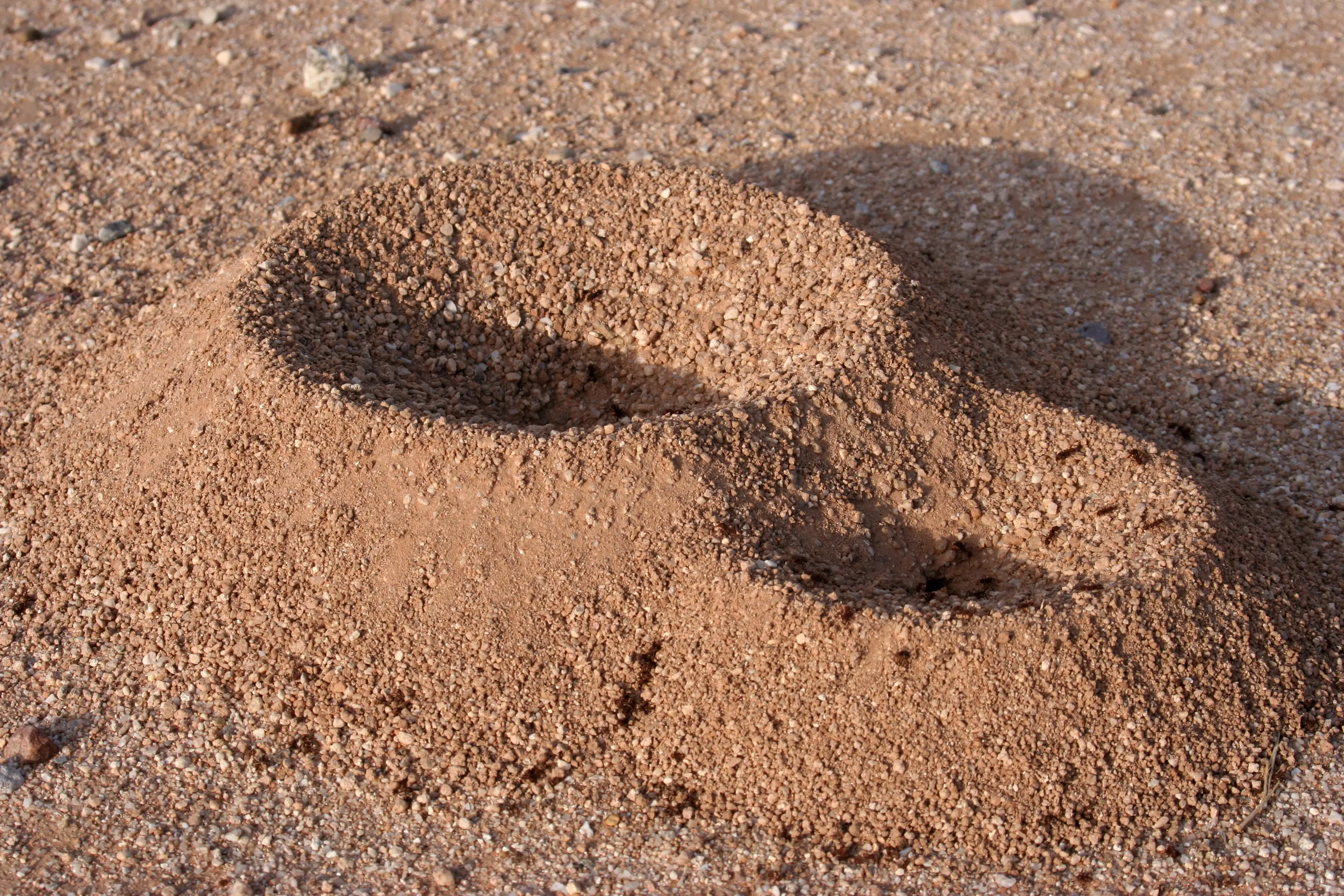
Where Do Ants Go in the Winter? Complete Winter Behavior Guide

When temperatures drop and snow begins to fall, one of nature's most industrious creatures seems to vanish entirely in colder climates. Where do ants go in the winter, and what happens to the bustling colonies that were so active just months before? Contrary to popular belief, ants don't simply die off when cold weather arrives. Instead, these remarkable insects employ sophisticated survival strategies that have evolved over millions of years, allowing them to endure even the harshest winter conditions and emerge ready to rebuild their colonies when spring returns.
The answer to where ants go in winter is more complex than simply finding a warm place to wait out the cold. Ants undergo dramatic physiological and behavioral changes that enable them to survive months of subfreezing temperatures, food scarcity, and environmental challenges that would be fatal to many other organisms. Understanding ant winter behavior reveals the incredible adaptations that make these tiny creatures some of the most successful survivors on Earth.
Understanding Ant Biology and Cold Sensitivity
Ants are ectothermic insects, meaning their body temperature directly corresponds to their surrounding environment. Unlike mammals that generate internal heat, ants cannot regulate their body temperature independently, making them extremely vulnerable to temperature fluctuations. When environmental temperatures drop, ant metabolism slows dramatically, their movements become sluggish, and their ability to forage, reproduce, and maintain normal colony functions becomes severely compromised.
This temperature dependency creates significant challenges for ant colonies during winter months, as their survival depends entirely on external environmental conditions. Most ant species cannot survive if their body fluids freeze, as ice crystal formation within their cells would cause fatal damage to cellular structures and membranes. The critical temperature threshold varies among ant species but generally falls between 23°F to 14°F (-5°C to -10°C), though some species have adapted to tolerate even lower temperatures through specialized mechanisms.
Do Ants Hibernate? Hibernation vs Diapause
When discussing where ants go in winter, it's crucial to understand that ants don't truly hibernate like mammals do. Instead, they enter a physiological state called diapause, which is fundamentally different from hibernation in several key ways. Ant diapause is a physiological state characterized by slowed metabolism, which ants enter during the late fall and winter seasons to conserve energy and endure adverse environmental conditions.
Unlike hibernation, which involves a prolonged period of reduced metabolic activity and lowered body temperature, diapause in ants often does not involve such extreme physiological changes. Instead, ants in winter may remain relatively active within their nests, albeit at a slower pace, and are still capable of responding to stimuli and carrying out essential colony functions. Environmental triggers for diapause include decreasing temperatures, shorter daylight periods, and reduced food availability. The diapause state can affect different life stages depending on the species with larvae pausing their development entirely, while adults reduce their activity levels and metabolic demands.
Winter Ant Survival Strategies
Physical Adaptations
Ants have evolved remarkable physiological mechanisms to survive freezing temperatures without succumbing to cellular damage. One of the most significant cold weather adaptations is the production of antifreeze proteins (AFPs) that bind to specific surfaces of ice crystals and inhibit their growth in body fluids. These proteins work by creating thermal hysteresis which is a difference between the freezing point and melting point of body fluids, which allows ants to survive at temperatures well below the normal freezing point of water.
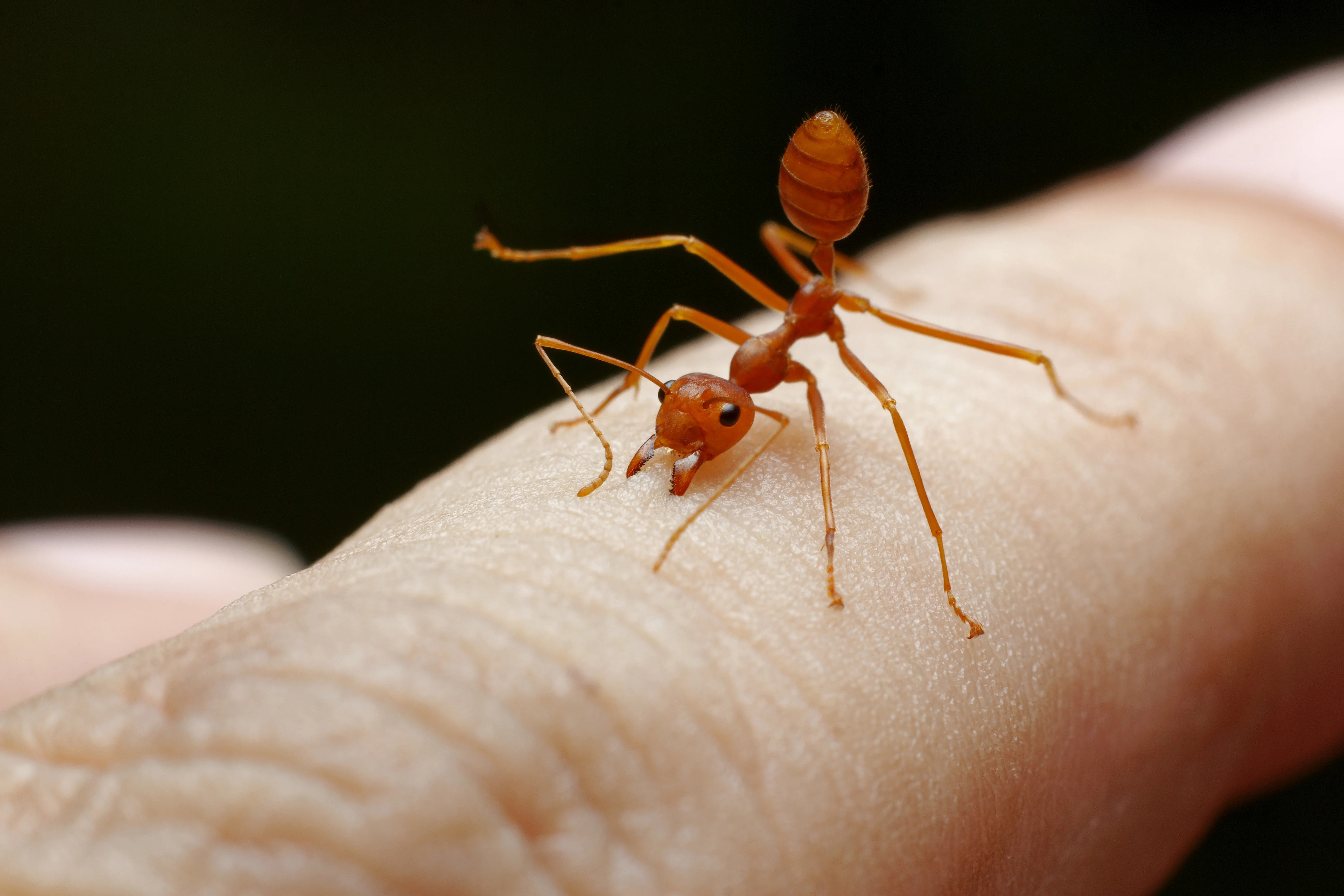
Many ant species, including the red imported fire ant, produce glycerol as a primary rapid cold hardening component that acts as a natural antifreeze [1]. Glycerol production is controlled by specific genes, including glycerol 3 phosphate dehydrogenase and glycerol kinase, which are highly expressed in fat body development during cold periods. This cryoprotectant helps with ice crystal prevention within cells and maintains cellular function even at subzero temperatures.
Behavioral Adaptations
Beyond physiological changes, ants exhibit crucial behavioral adaptations that enhance their winter survival prospects. Colonies work collectively to seek deep, insulated shelter locations that provide protection from temperature extremes and environmental stresses. Worker ants cluster tightly around their queen and larvae, creating a living insulation layer that helps maintain stable temperatures within the nest core.
During late autumn preparation, ant colonies dramatically reduce their activity levels and cease reproductive functions to conserve energy reserves. Foraging activities halt almost entirely, and nest entrances are often sealed or significantly reduced to prevent heat loss and exclude moisture that could lead to dangerous ice formation within the colony. This clustering behavior and activity reduction allows colonies to survive on stored energy reserves accumulated during the more abundant warm months.
Nest Modifications
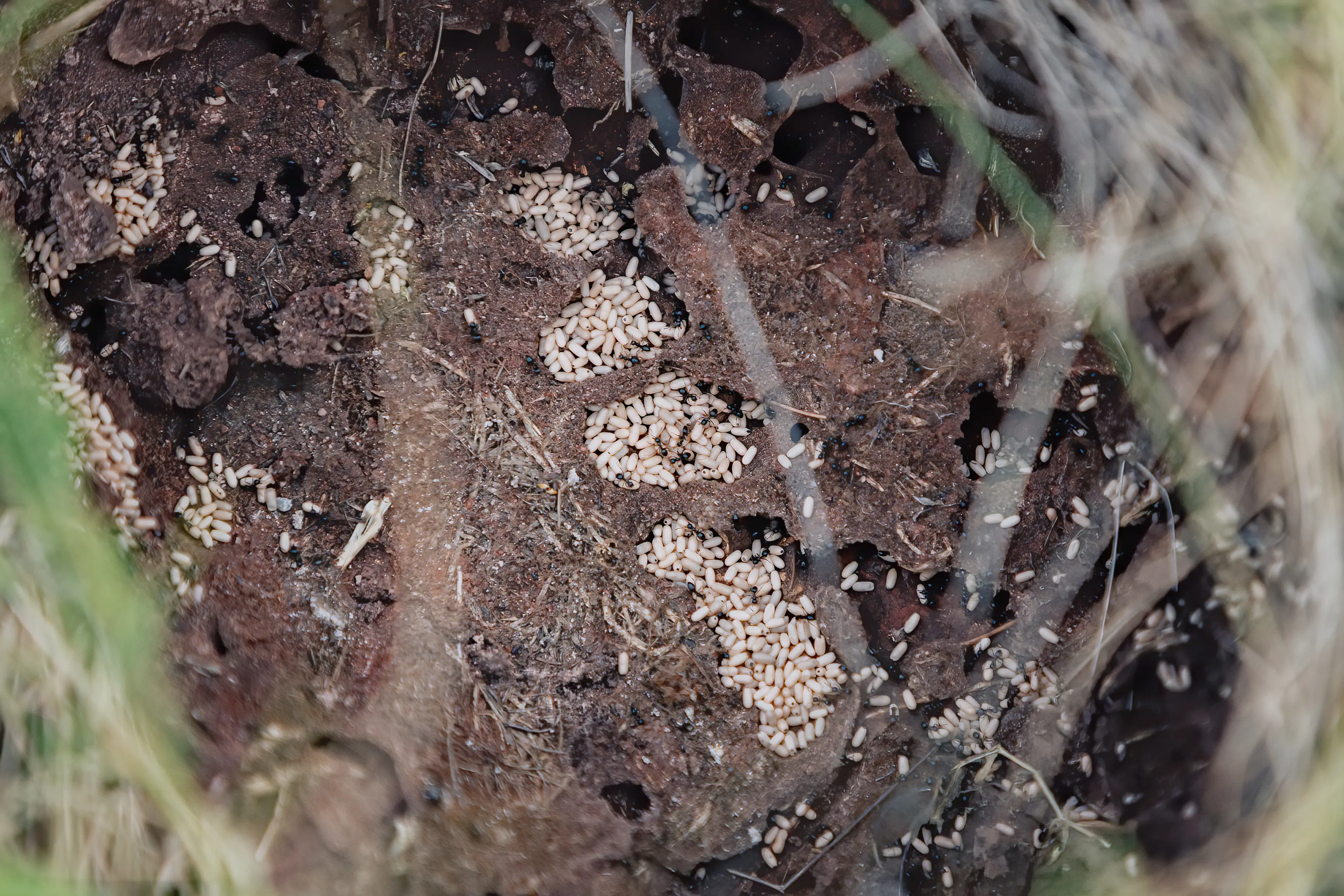
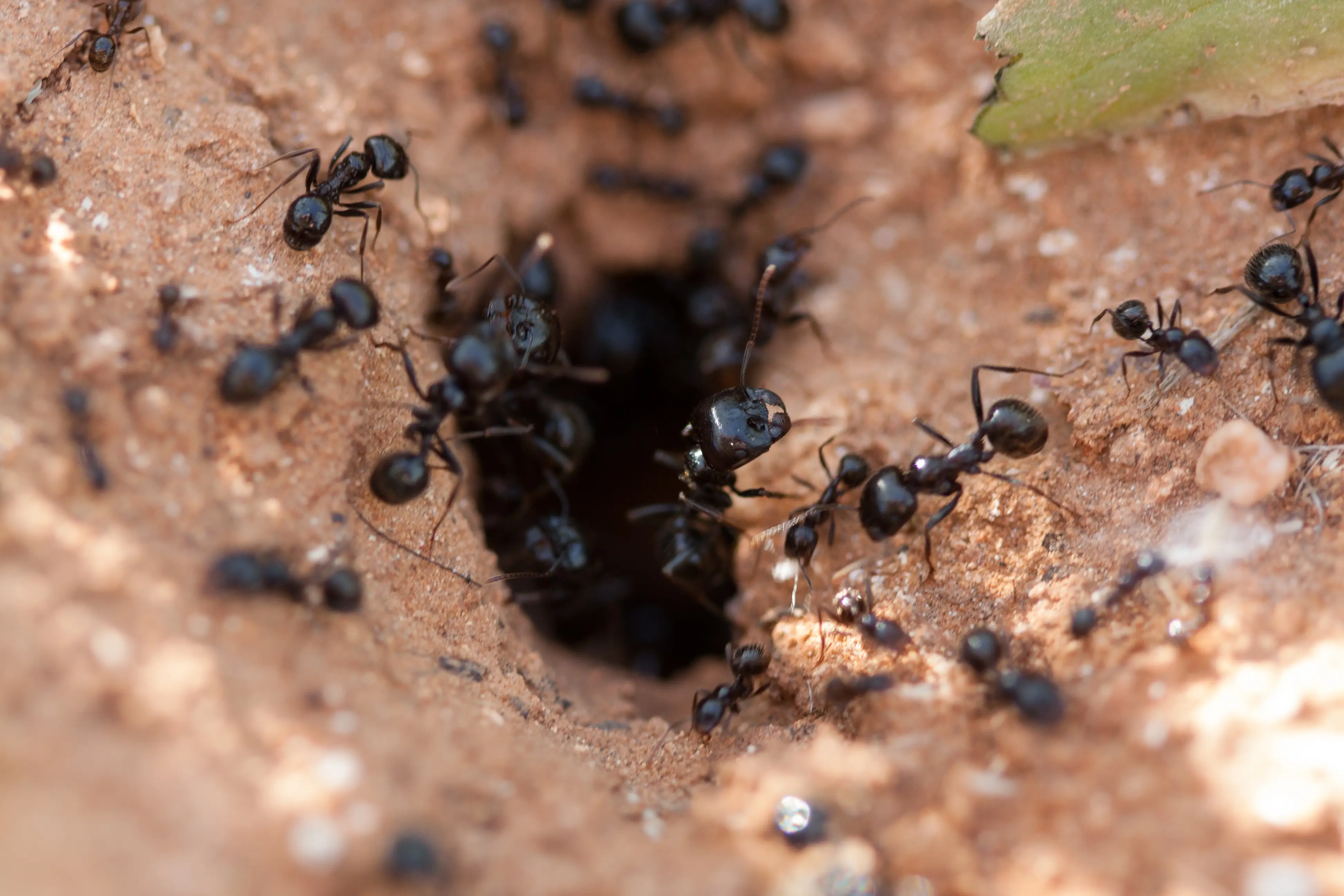
Ant colonies make strategic modifications to their nesting sites in preparation for winter survival. Many species move their populations to deeper underground chambers that extend well below the frost line, where soil temperatures remain more stable throughout winter months [2]. These deeper locations provide natural insulation and protection from the most severe temperature fluctuations that occur near the surface.
Some species construct elaborate nest structures that incorporate natural insulation materials such as plant matter, soil particles, and other organic debris. Certain ant species seal secondary nest entrances completely while maintaining only minimal access points that can be quickly closed during extreme weather events. The thermal regulation within these modified nests creates microenvironments that can be several degrees warmer than external temperatures, providing crucial protection for colony survival.
What Do Ants Do in Winter?
Outdoor Shelter Locations
Understanding where ants go in the winter requires examining their preferred overwintering sites in natural environments. Most outdoor ant colonies establish their winter headquarters in deep underground burrows that can extend several feet below the surface, well beyond the reach of freezing temperatures. These subterranean chambers take advantage of the earth's natural insulation properties and geothermal heat that keeps soil temperatures relatively stable even during severe cold snaps.
Ants also seek shelter under large rocks, fallen logs, and tree bark where they can benefit from natural windbreaks and thermal mass that moderates temperature swings. Thick layers of leaf litter and mulch provide excellent insulation opportunities, as these materials create air pockets that trap heat and prevent rapid temperature changes. Decaying wood and tree stumps offer another popular winter refuge, as decomposition processes generate small amounts of heat while providing protection from wind and precipitation.
Indoor Overwintering Sites
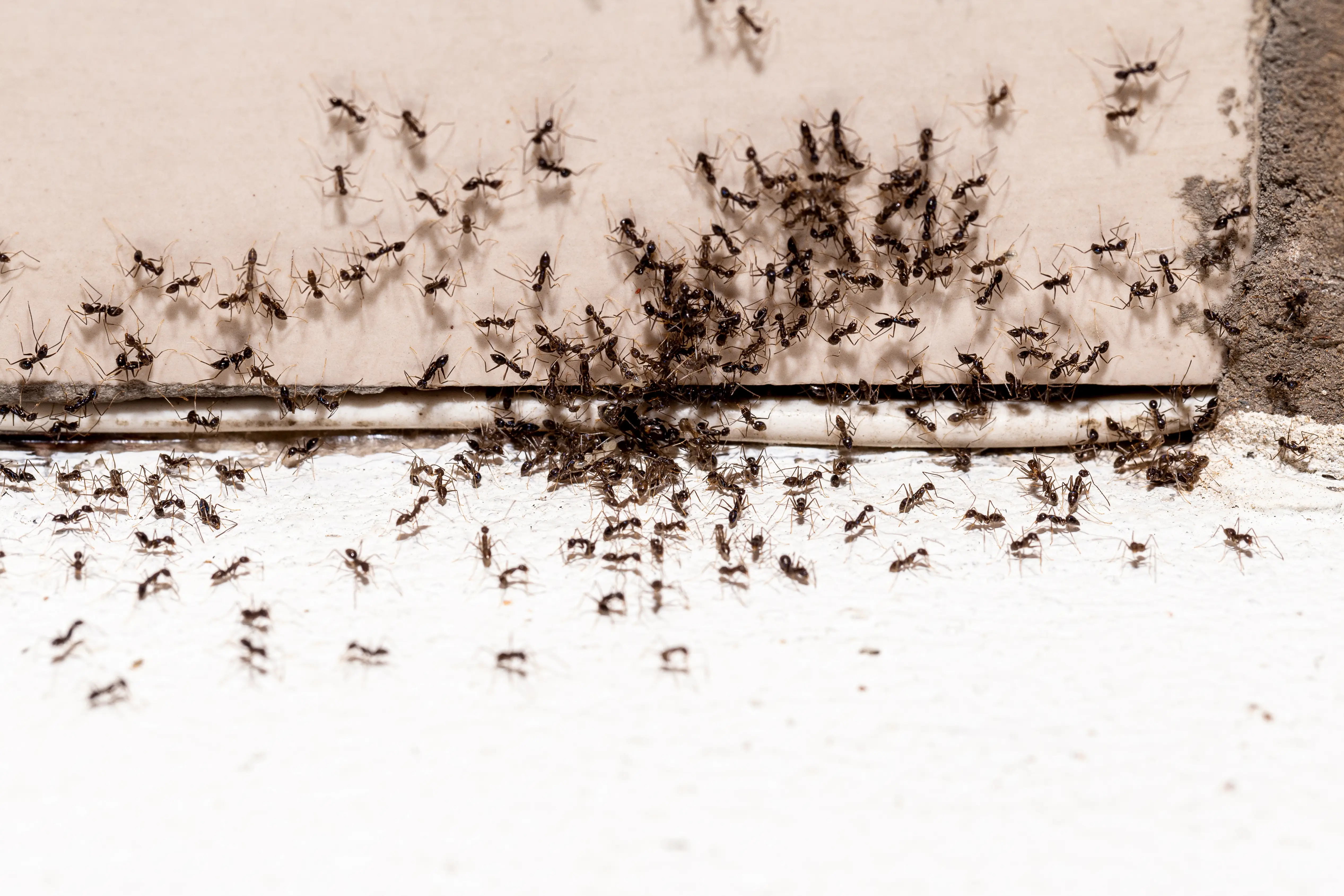
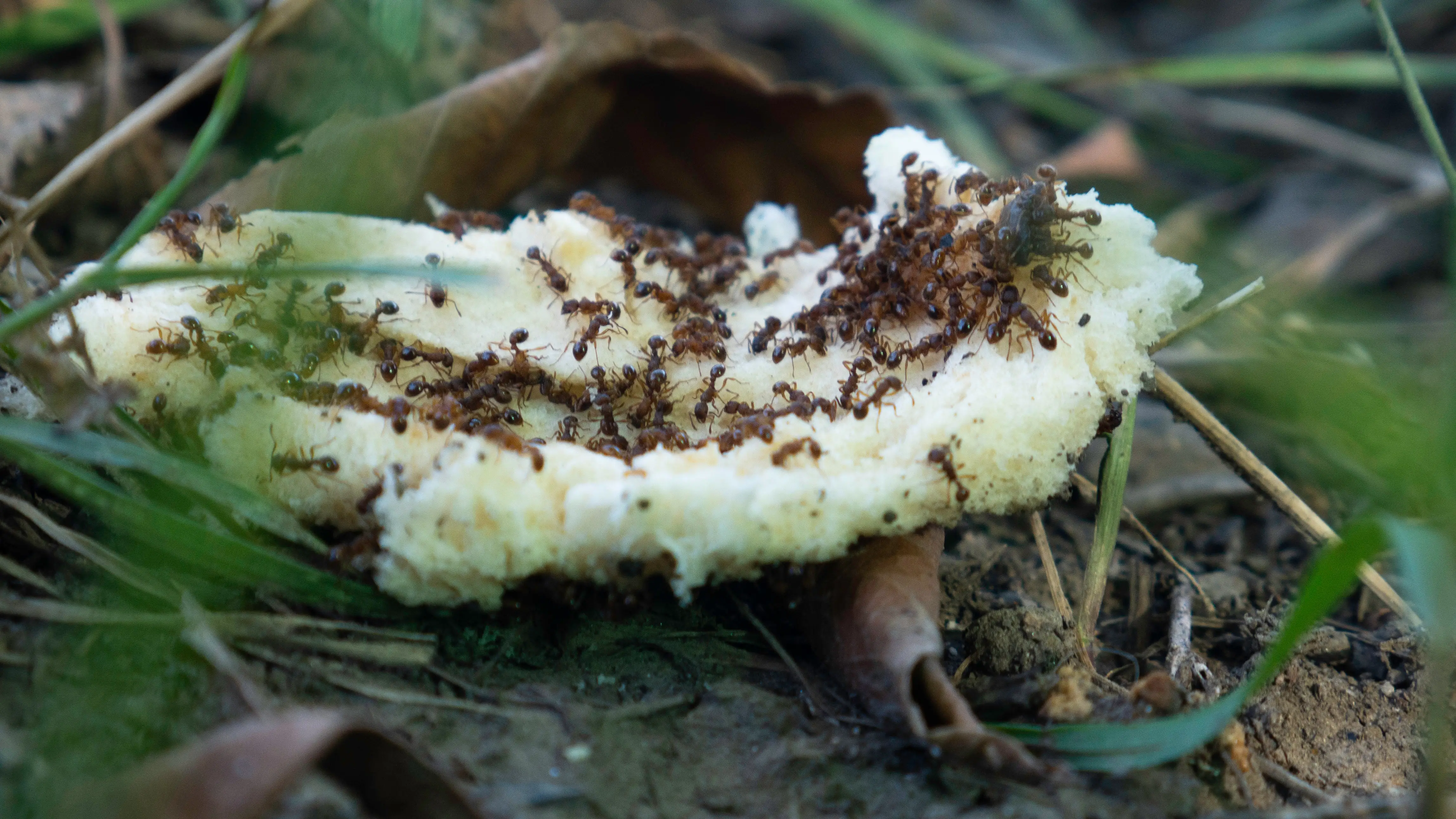
When asking "where do ants go in winter," many homeowners are surprised to learn that their houses can become prime real estate for overwintering ant colonies. Indoor environments offer several advantages over outdoor sites, including consistent temperatures, protection from weather extremes, and often reliable access to moisture and food sources. Ants commonly establish winter colonies in wall voids where insulation provides excellent thermal protection, and space allows for colony expansion.
Areas near heat sources such as furnaces, water heaters, and heating ducts become particularly attractive to winter seeking ants, as these locations provide the warm, stable temperatures necessary for continued colony activity. Basements and crawl spaces with their moderate temperatures and high humidity levels create ideal conditions for many ant species to remain active throughout winter months. Gaps around plumbing and electrical systems offer convenient entry points and lead to protected spaces within home structures where ants can establish thriving winter colonies.
Species Specific Winter Behaviors
Different ant species have evolved distinct winter survival strategies that reflect their unique biological needs and environmental adaptations. Understanding these species specific behaviors helps homeowners identify potential winter invaders and implement targeted prevention strategies.
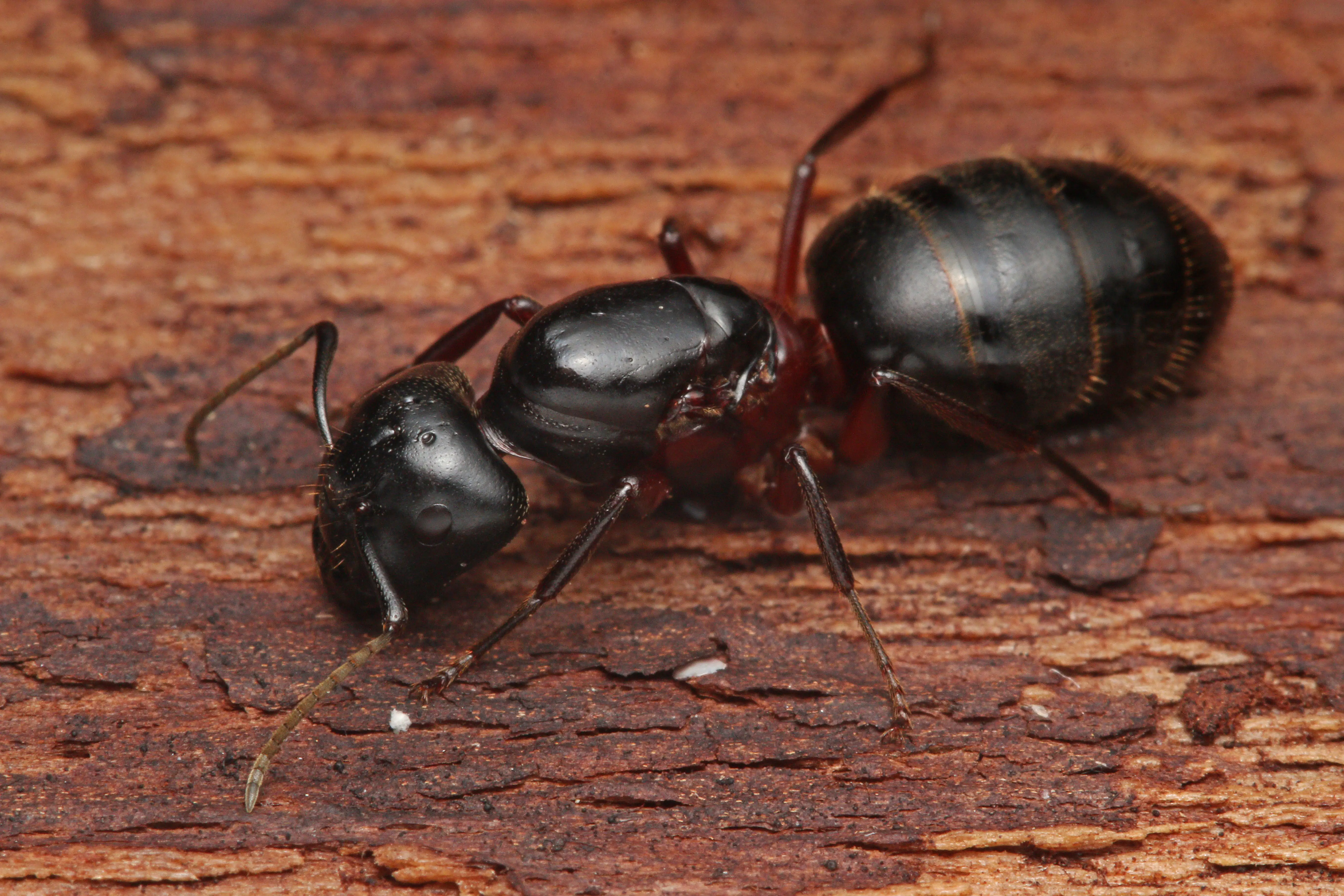
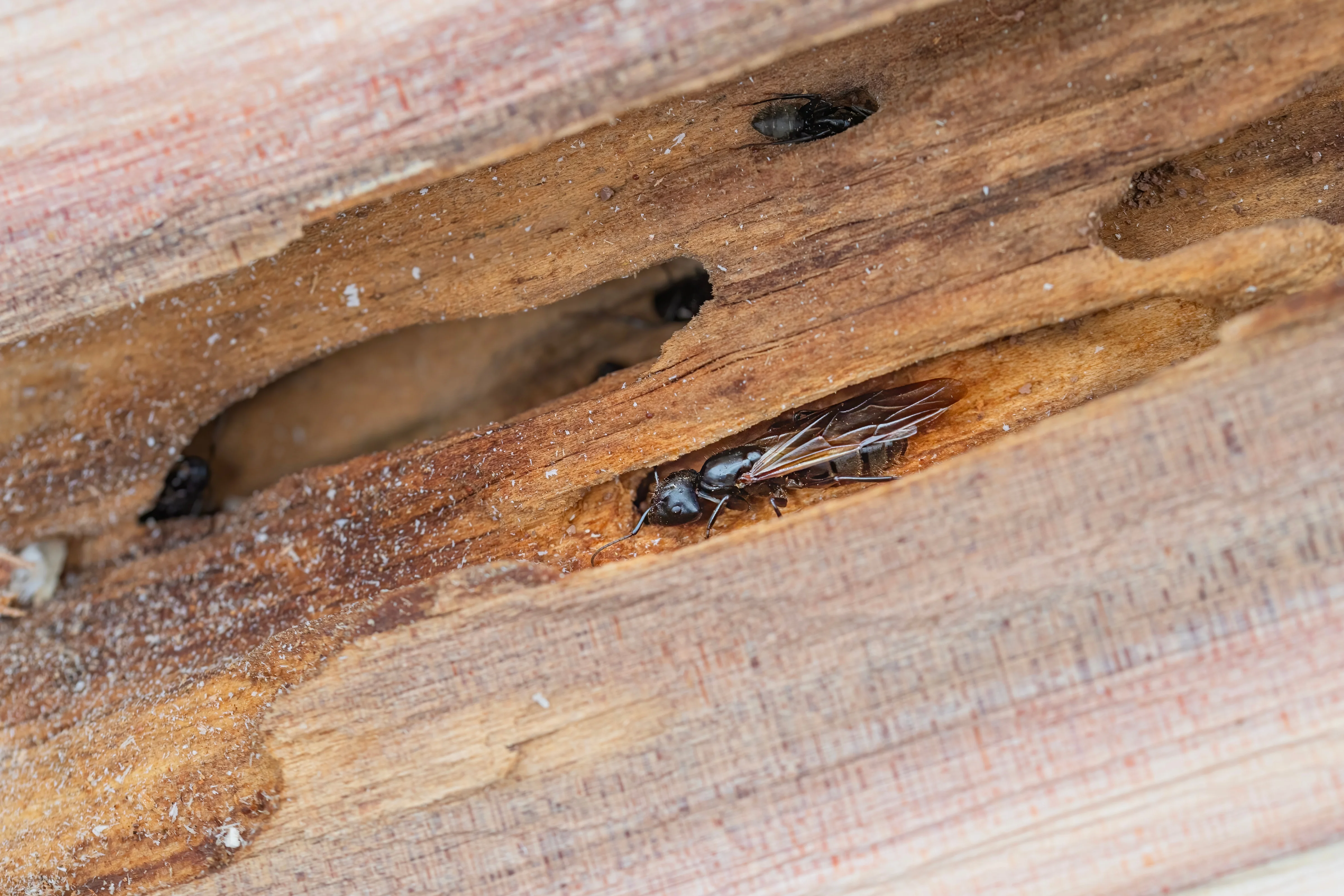
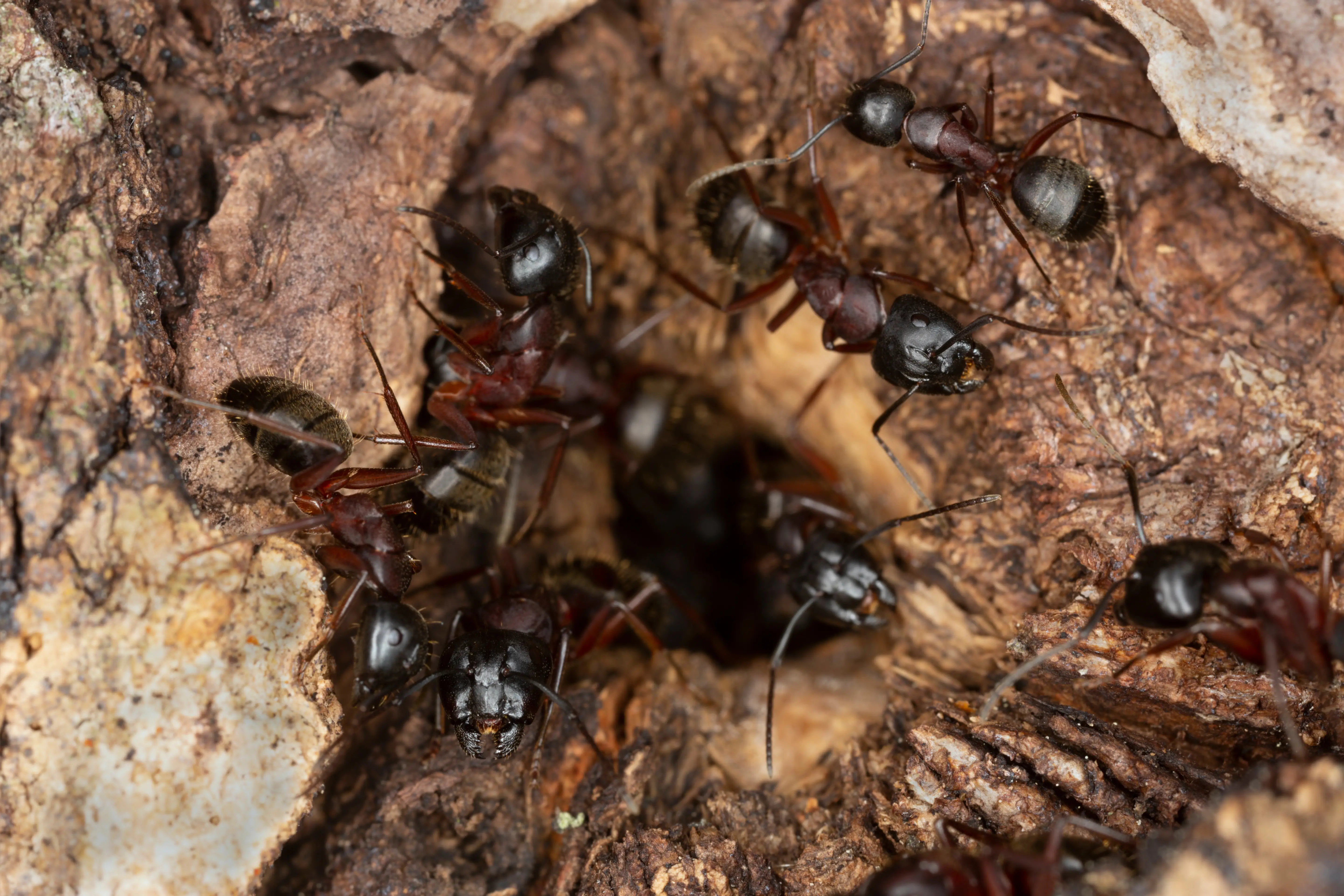
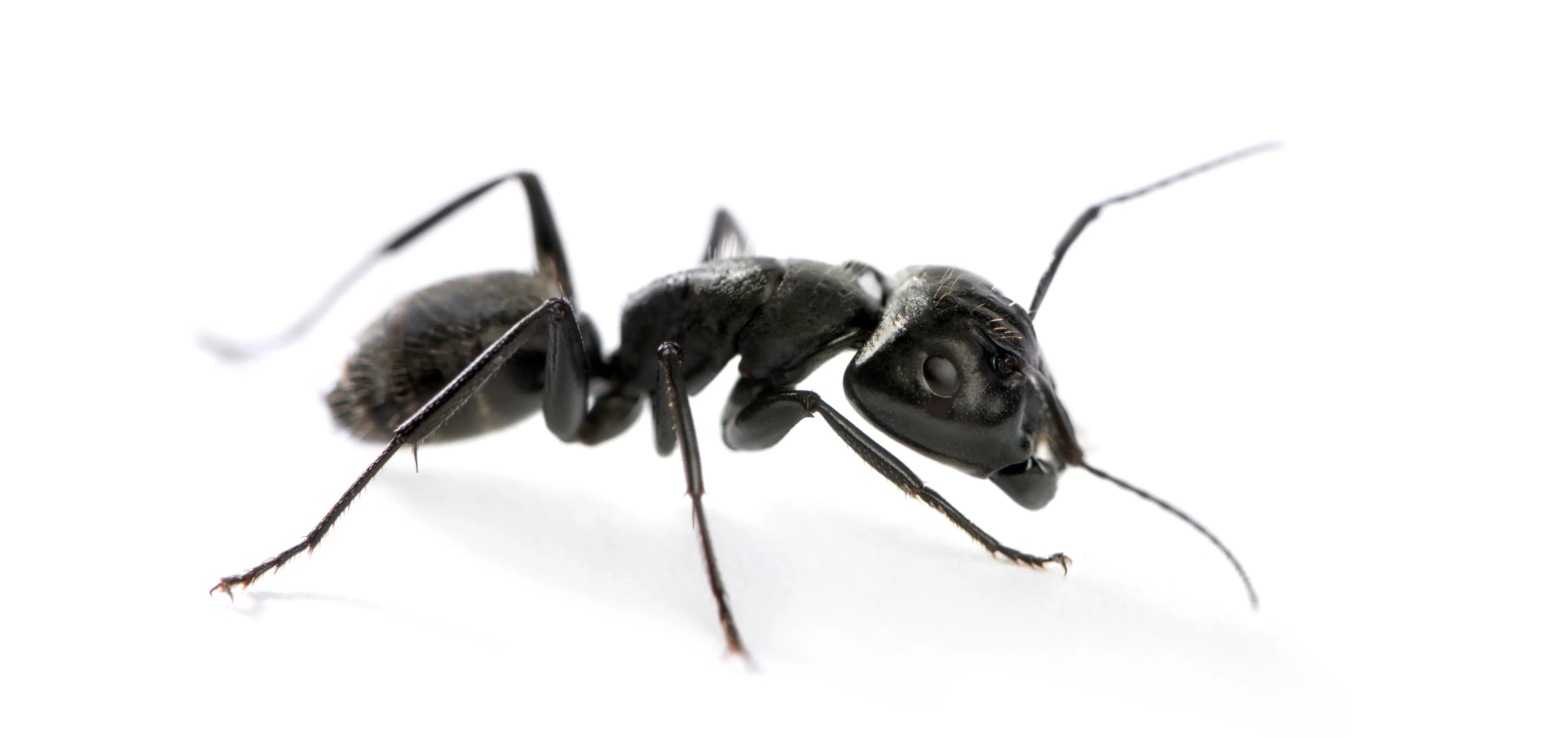
- Carpenter Ants - These large ants often establish indoor satellite colonies while maintaining connections to outdoor parent colonies, remaining relatively active within heated structures throughout winter months. Their preference for moisture damaged wood makes areas around leaking pipes, poorly sealed windows, and compromised building materials particularly attractive for winter colonization, allowing them to establish extensive tunnel systems during periods when detection is less likely.
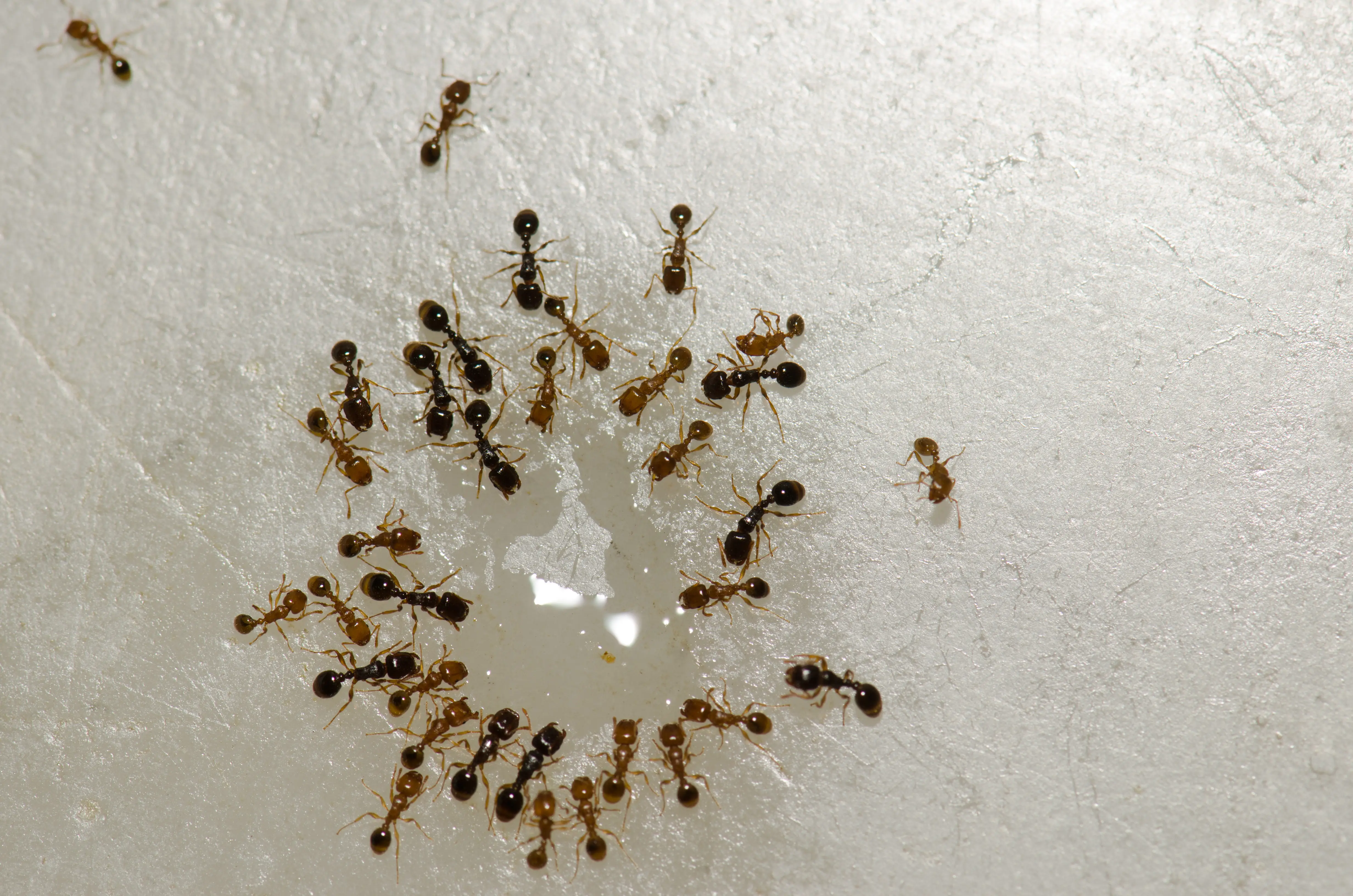
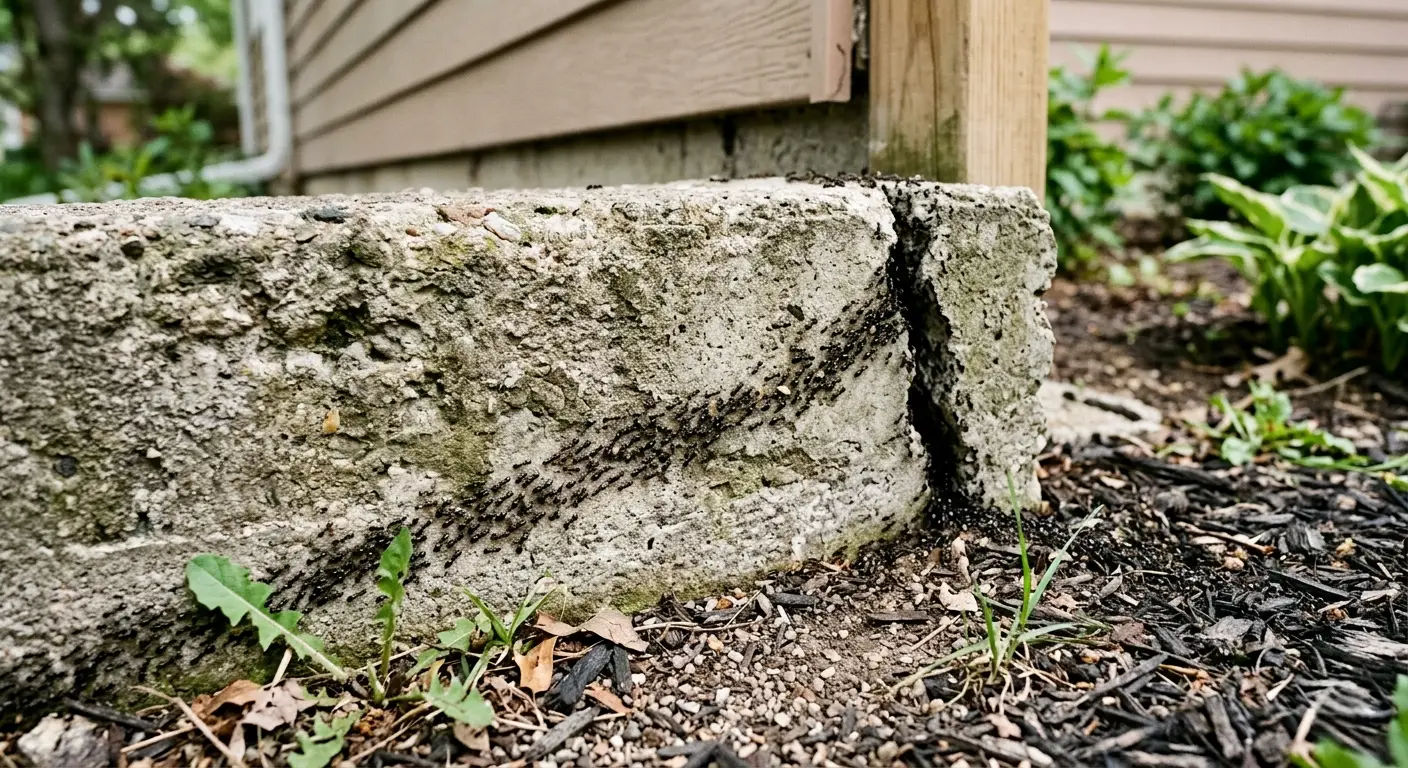
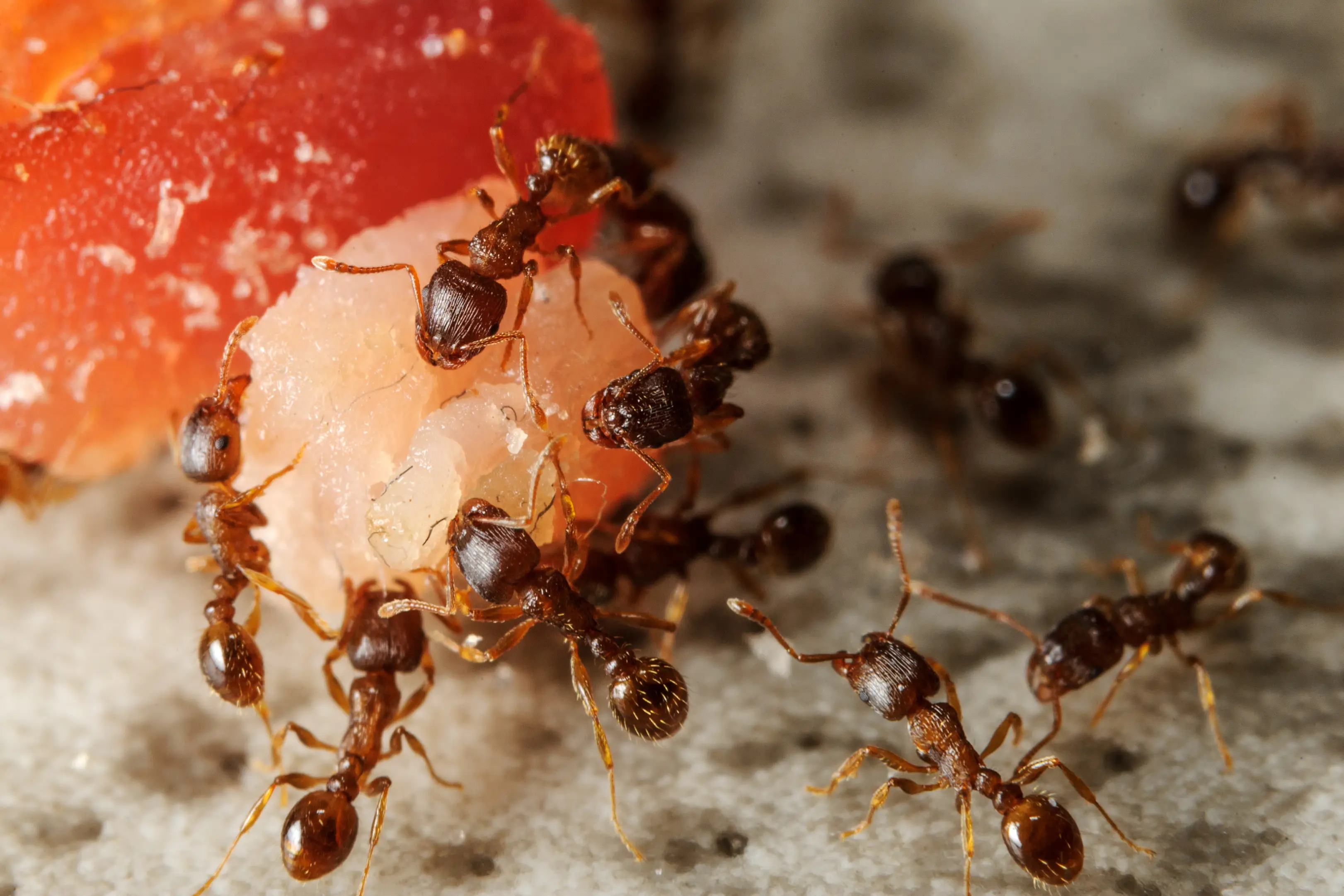
- Pavement Ants - Excel at finding underground nest systems beneath concrete slabs, driveways, and sidewalks where thermal mass moderates temperature extremes. Their tendency to nest under slab on grade homes creates opportunities for winter indoor invasion, as they take advantage of heat loss from buildings and ground level access to bridge outdoor and indoor environments successfully.
- Odorous House Ants - Demonstrate remarkable adaptability by establishing extensive indoor aggregation sites in moisture rich environments such as areas around plumbing leaks, beneath sinks, and in humid basements. Their ability to establish multiple interconnected nest sites allows them to create extensive indoor networks that persist throughout winter and focus their winter foraging patterns on indoor food sources.
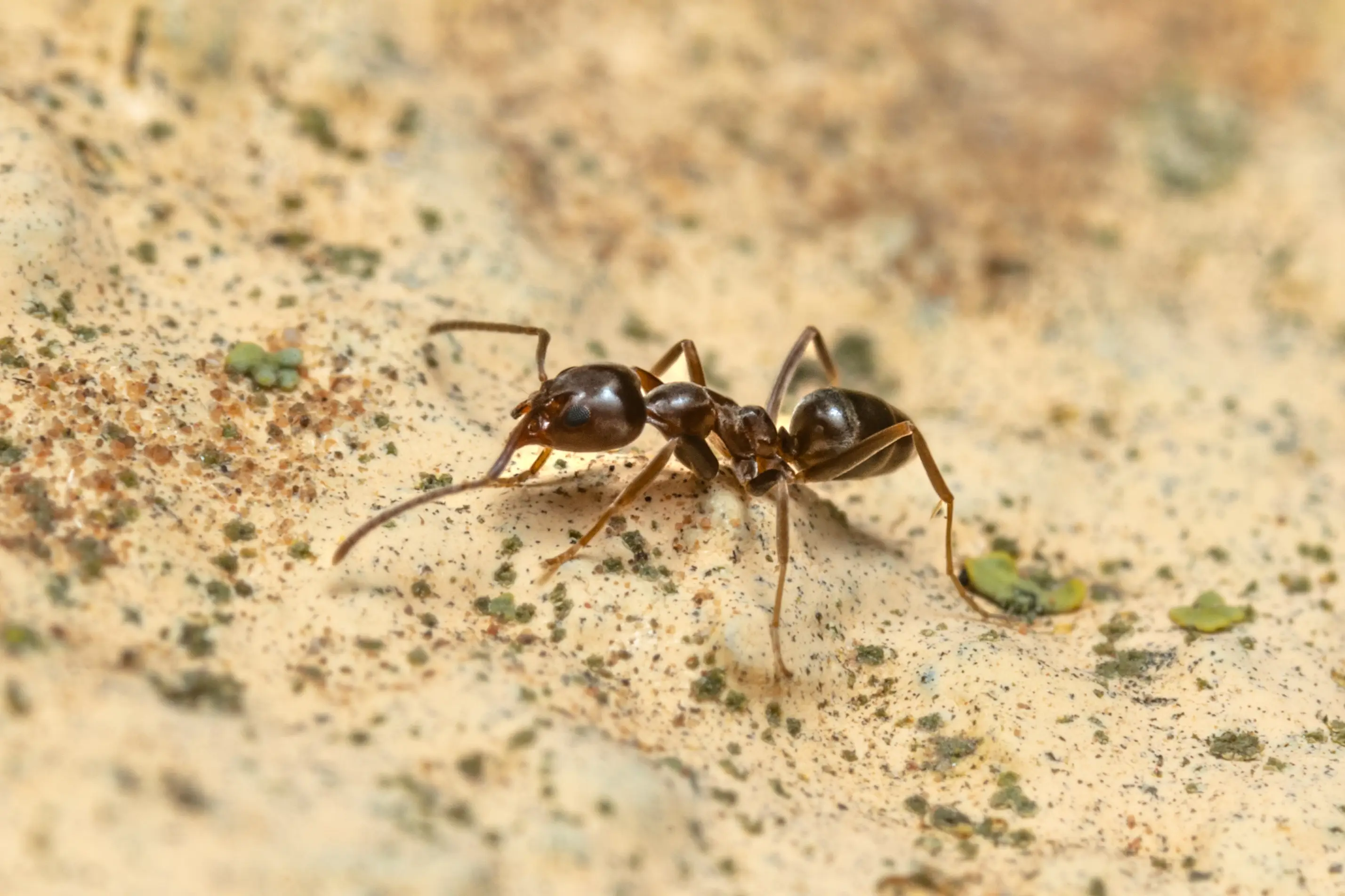
- Argentine Ants - In warmer climate regions, these highly aggressive ants continue year round activity with only moderate reductions during cooler months, taking advantage of mild conditions to maintain territorial expansion. When faced with freezing conditions, they seek indoor environments where their preference for moisture and ability to establish multiple queen colonies make them extremely successful at indoor winter colonization.
Regional Climate Variations
Cold Temperate Regions
In regions with severe winter climates, ant species have evolved the most dramatic winter survival adaptations, including true diapause with completely suspended development and reproduction. In these areas, ants enter deep hibernation states and may remain dormant for extended periods, typically from late fall through early spring. Extended winter dormancy periods can last four to six months, during which colonies rely entirely on stored energy reserves and show virtually no surface activity [3].
Deep freeze survival strategies in these regions include enhanced antifreeze protein production, extensive glycerol accumulation, and behavioral adaptations such as moving colonies to extraordinary depths, sometimes 3-4 feet underground where soil temperatures remain stable above freezing. Species in these climates often show the most pronounced seasonal ant behaviors, with intense autumn foraging to build energy reserves that must sustain colonies through months of complete dormancy.
Moderate Winter Climates
Regions with moderate winter temperatures create interesting survival scenarios where ant colonies may experience partial activity during warm spells while maintaining reduced activity during colder periods. Such environmental patterns enable ants to maintain flexible winter strategies, briefly awakening from their metabolic slowdown whenever thermal conditions spike beyond their activity triggering temperatures. Ant colonies in these areas often maintain limited foraging capability during winter warm spells, allowing them to supplement stored energy reserves when opportunities arise.
Earlier spring emergence typically occurs in moderate climates, allowing colonies to begin rebuilding and expanding their populations while competitors in harsher climates remain dormant. This extended active period can provide significant competitive advantages for species adapted to moderate winter conditions.
Warm Climate Regions
In consistently warm regions such as Florida, Southern California, and parts of Texas, many ant species continue activity throughout winter months with only minor reductions in foraging intensity and reproductive activity. These conditions eliminate the need for true diapause in many species, allowing year round colony growth and territorial expansion. However, ants in these regions still seek indoor warmth and resources during cooler periods, making winter home invasion common even in warm climates.
The absence of killing frosts allows many invasive ant species to establish permanent populations that would be impossible in colder climates, creating unique pest management challenges that persist throughout the year.
Winter Ant Problems in Homes
Why Ants Enter Homes in Winter
Understanding why ants invade homes during winter months requires recognizing the attractive conditions that human habitations provide for overwintering colonies. Houses offer stable temperatures that eliminate the thermal stress associated with outdoor winter survival, consistent moisture sources from plumbing and heating systems, and often abundant food sources that allow continued colony growth throughout winter months.
Indoor environments provide escape routes from harsh outdoor conditions that could prove fatal to exposed colonies. The combination of warmth, shelter, and resources makes human structures irresistible to ant colonies seeking optimal winter survival conditions. Once established, indoor colonies can maintain activity levels impossible in outdoor environments, leading to year round infestations that persist and grow throughout winter months.
Common Indoor Species by Season
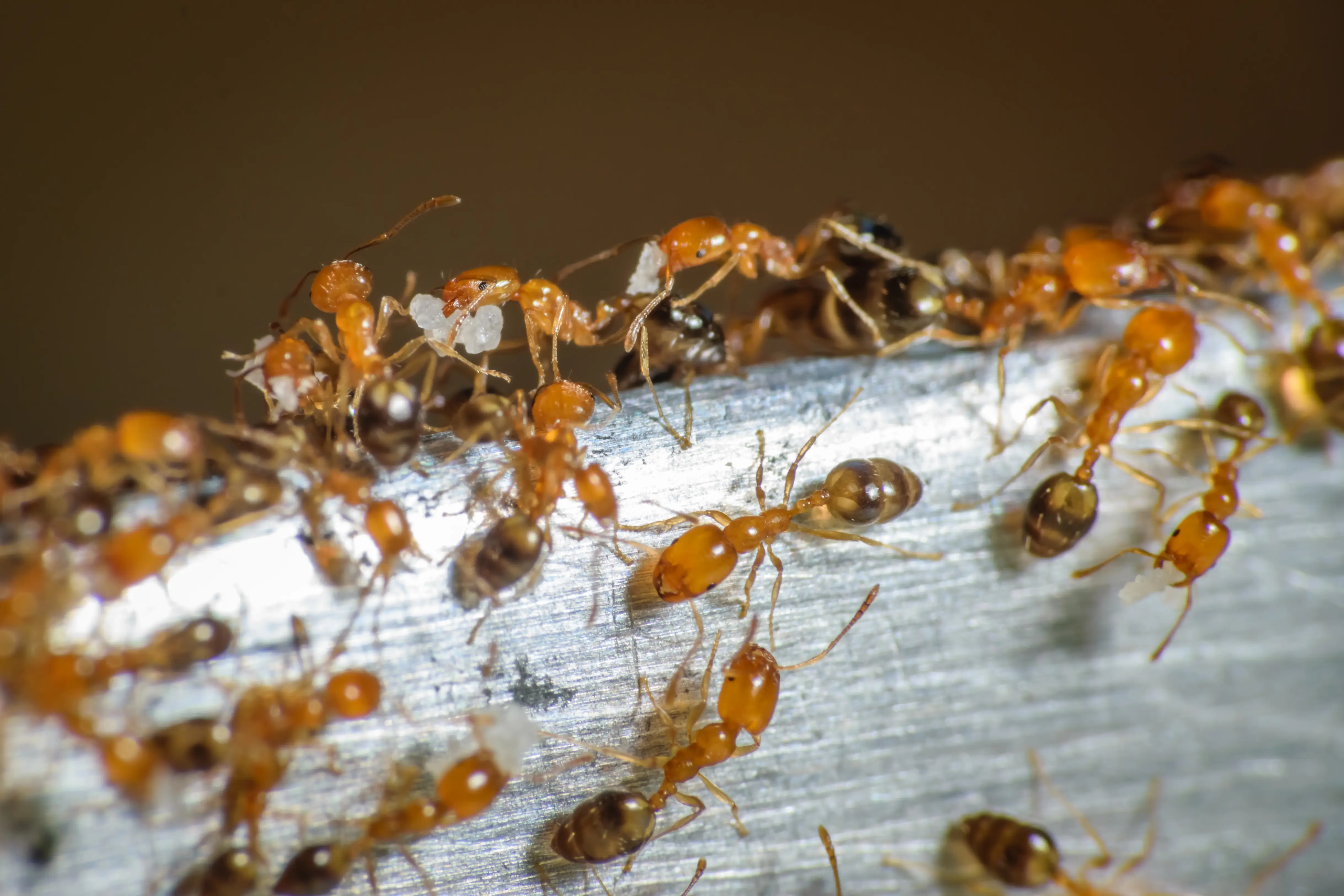
Early winter invaders typically include species like carpenter ants and odorous house ants that begin seeking indoor shelter as outdoor temperatures start declining but before severe cold sets in. These species often establish initial footholds during autumn months and expand their indoor presence as winter progresses. Mid-winter active species tend to be those already established in indoor environments, including pavement ants and pharaoh ants that can maintain full activity in heated structures.
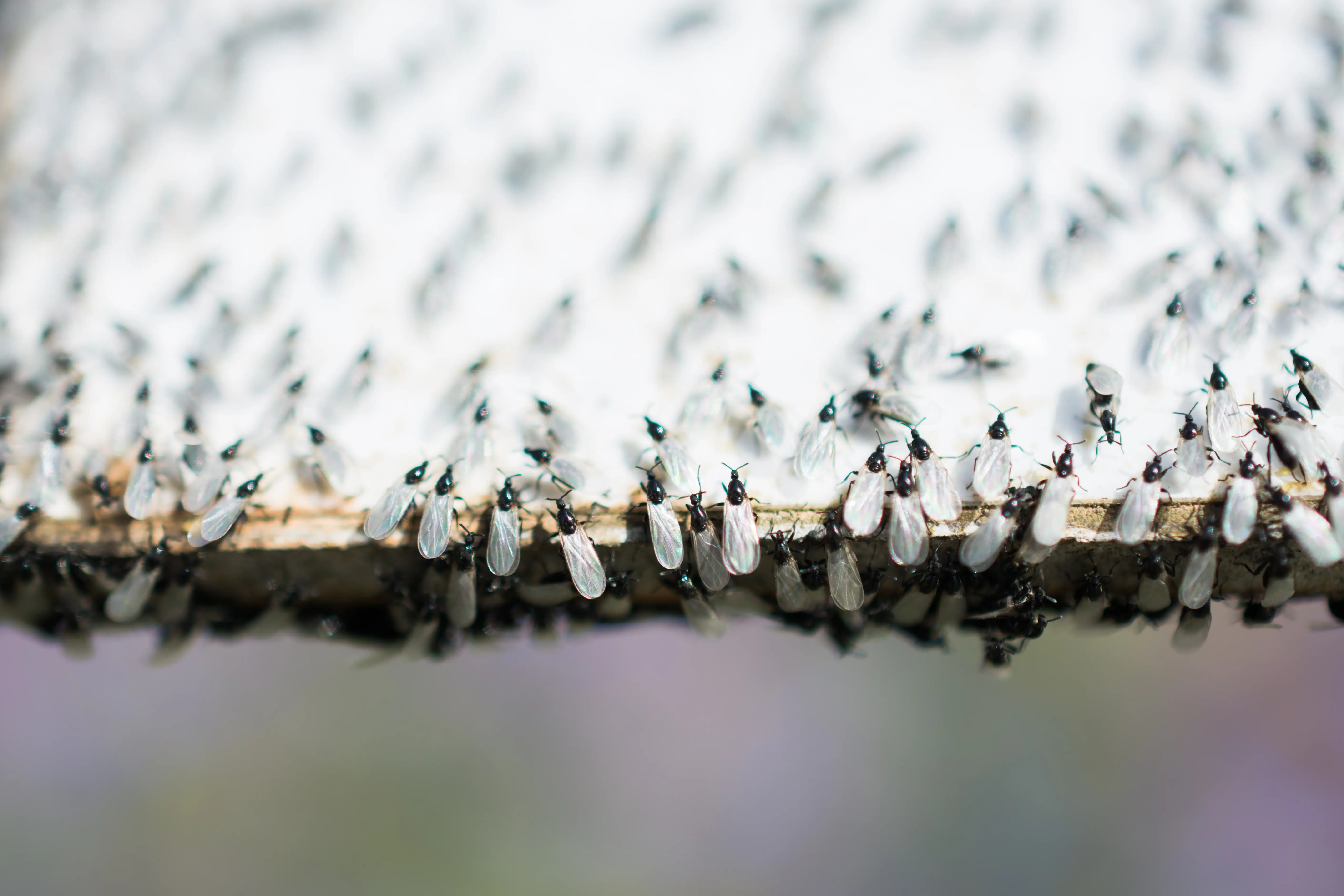
Late winter emerging colonies often represent species that have overwintered successfully indoors and begin expanding their territories as they prepare for spring reproduction and colony division. The presence of winged reproductive forms during late winter often indicates well established indoor colonies that are preparing for spring dispersal.
Signs of Indoor Ant Activity
Recognizing the presence of established indoor ant colonies during winter months requires understanding the specific indicators that distinguish temporary invaders from permanently established populations. These signs become particularly important during cold weather when homeowners may assume that pest activity has ceased.
- Increased sightings near heat sources - These insects naturally gravitate toward areas with consistent warmth such as furnace rooms, water heater areas, and heated flooring systems, making these locations prime indicators of indoor winter ant colonies
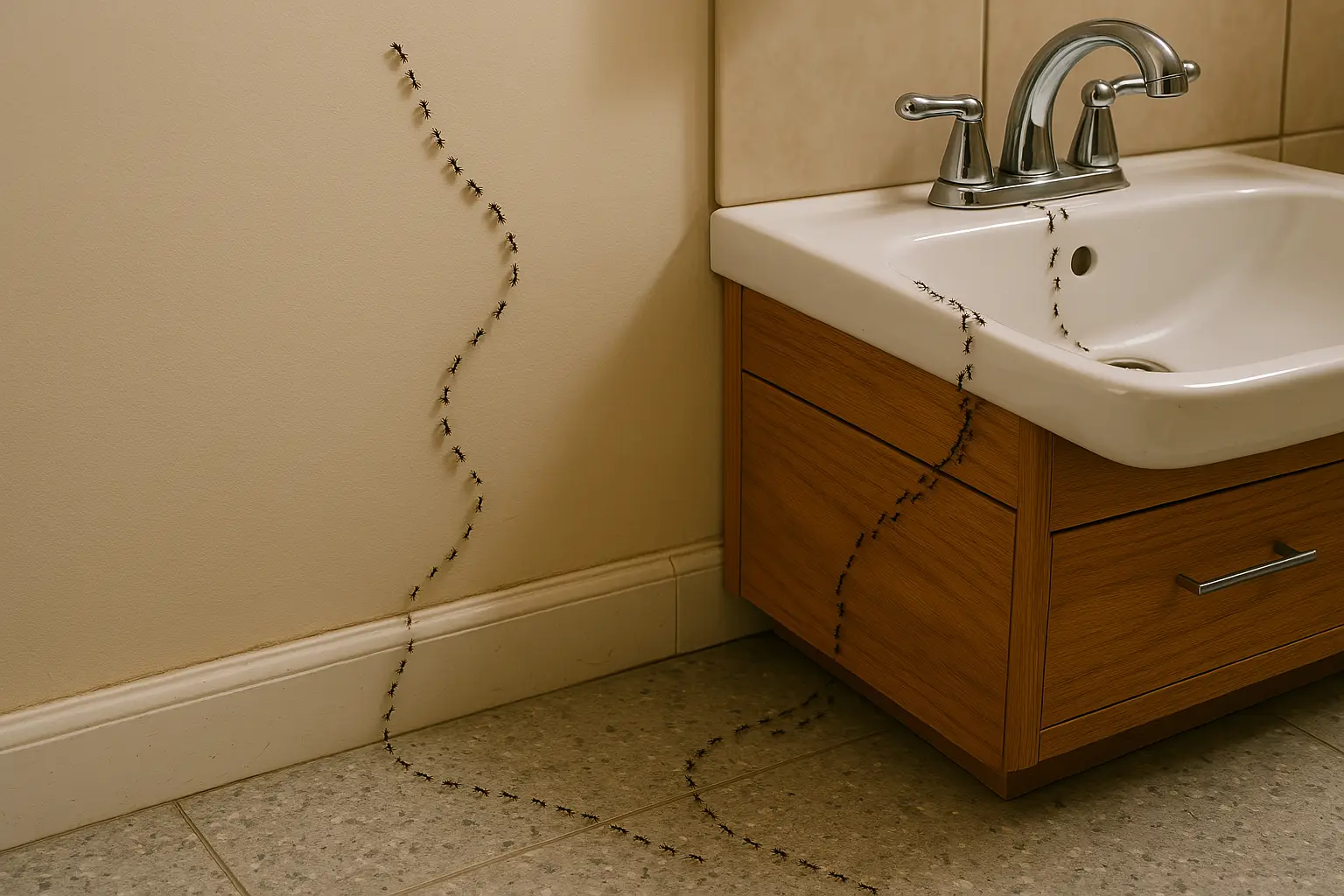
- Activity around kitchens and bathrooms - Concentrated ant presence in these areas indicates access to the moisture and food sources necessary for sustained indoor populations throughout winter months
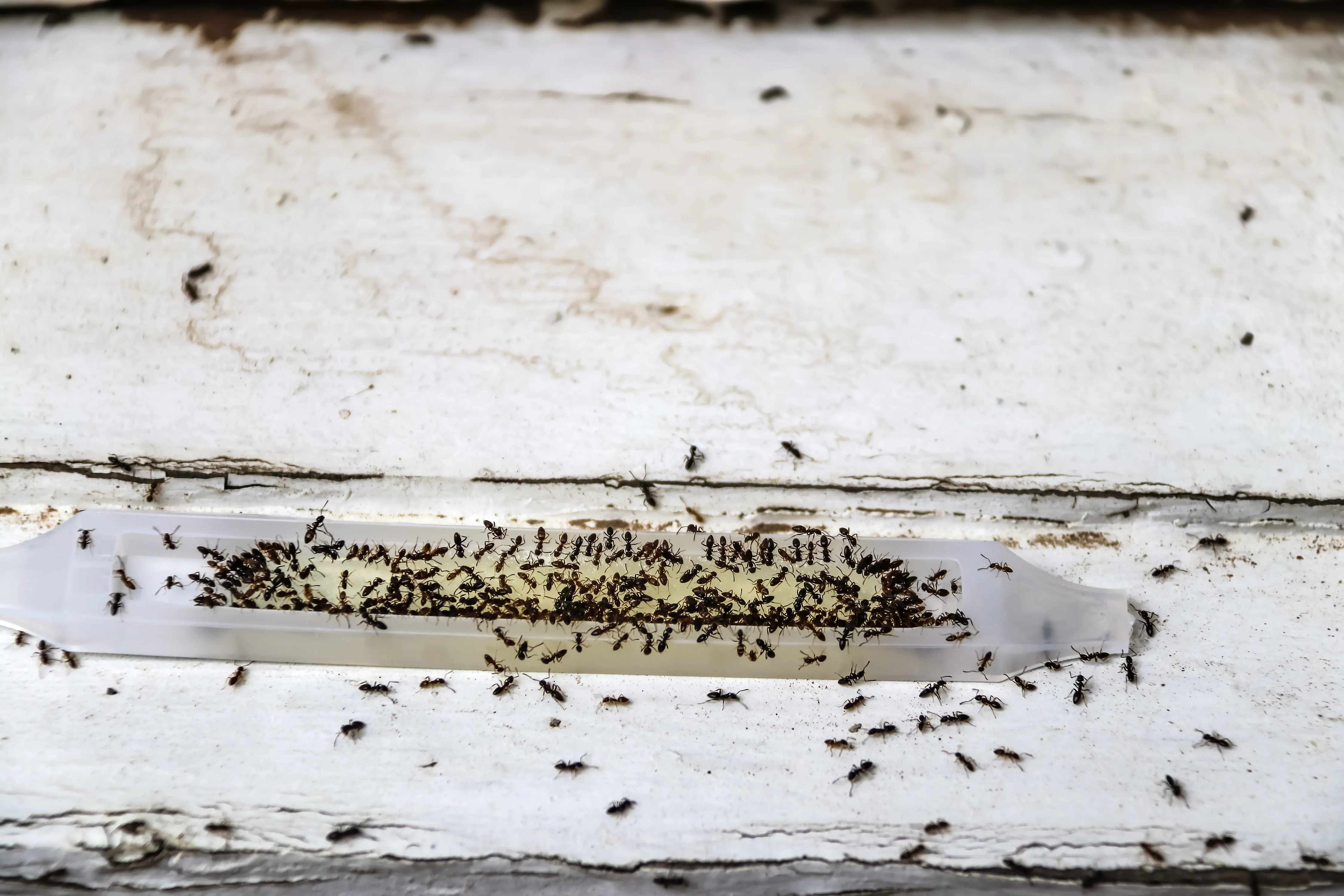
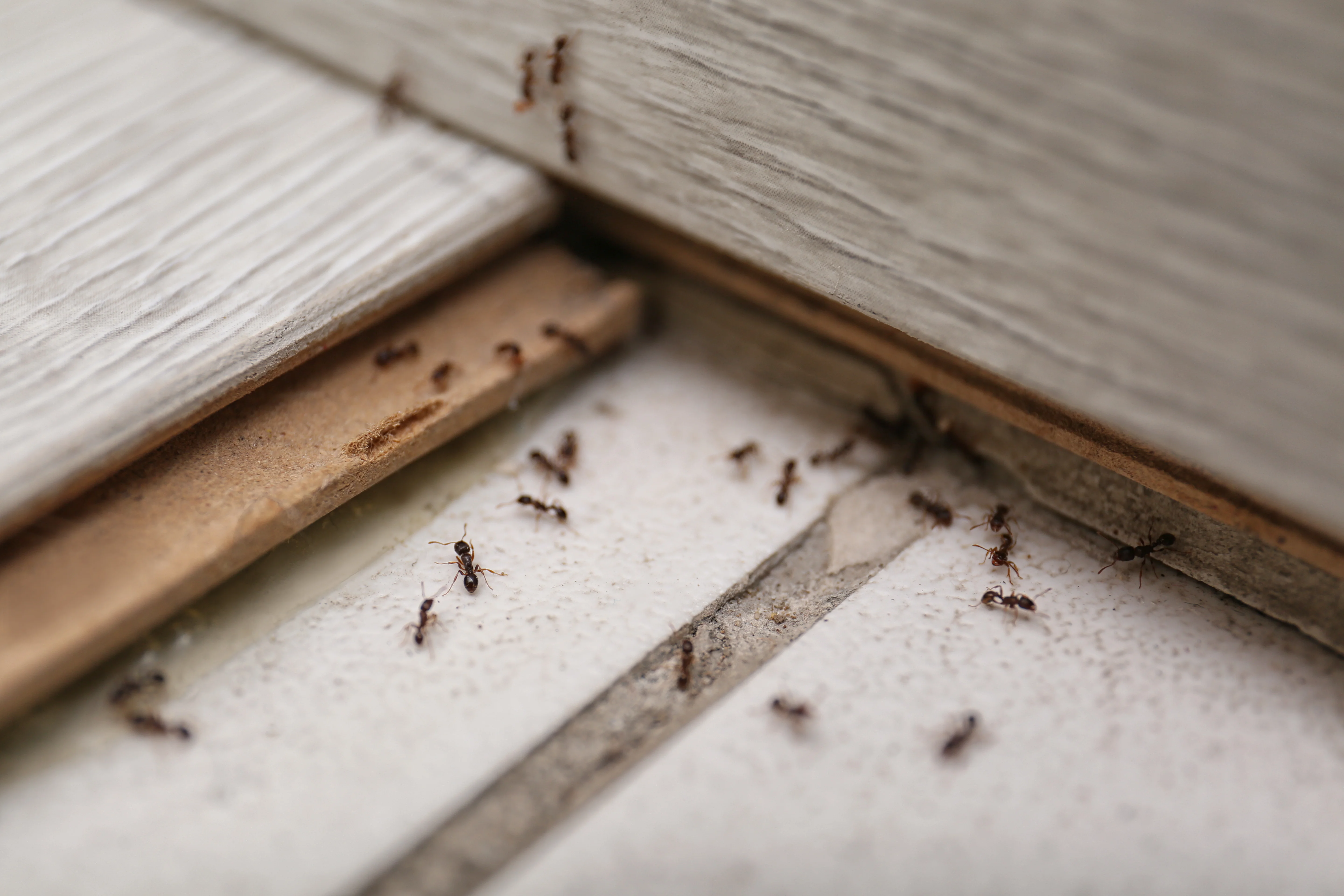
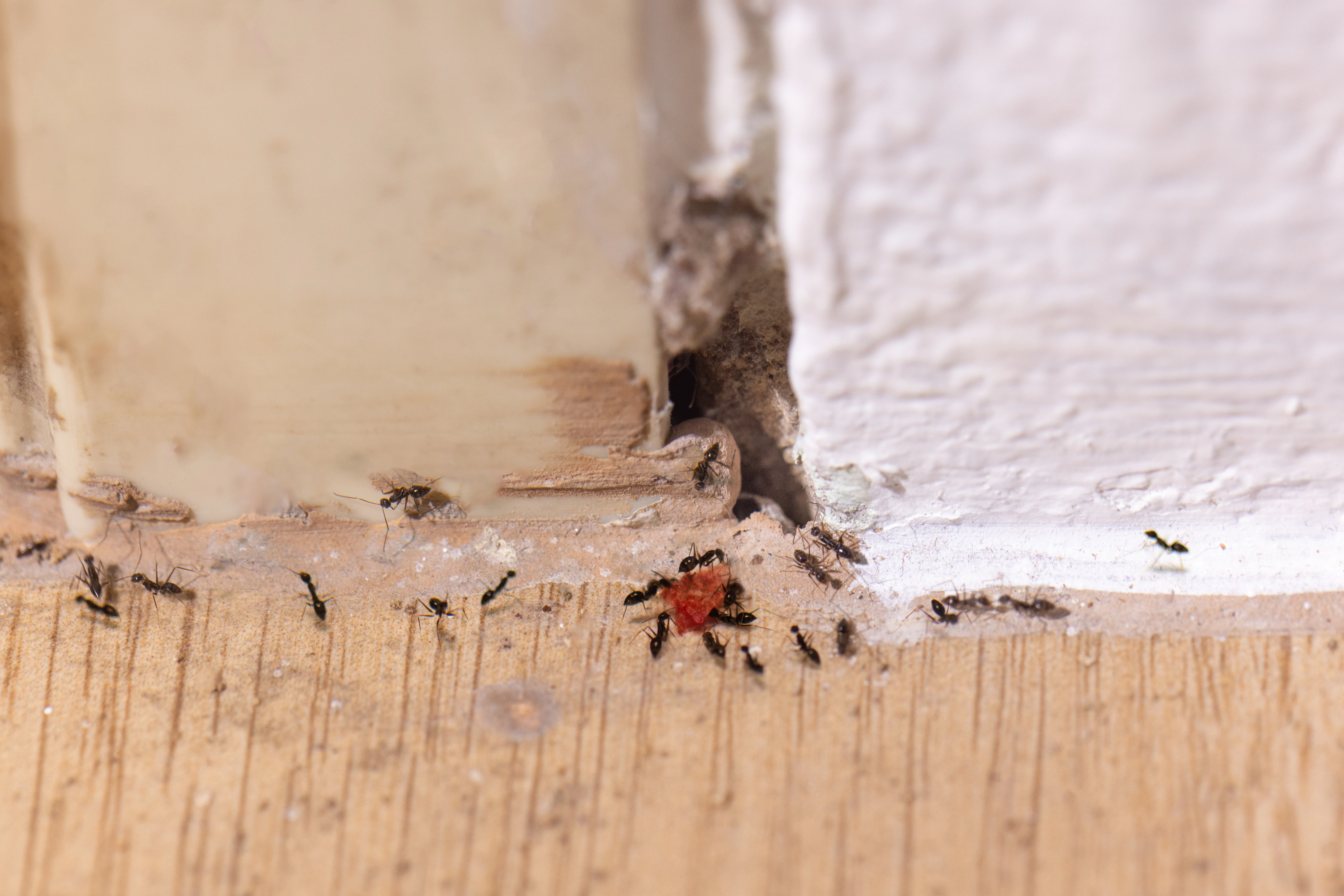
- Trails along baseboards and utility lines - These pathways reveal the routes that indoor colonies use to navigate between nest sites and resource areas, becoming more apparent during winter months when outdoor alternatives are unavailable
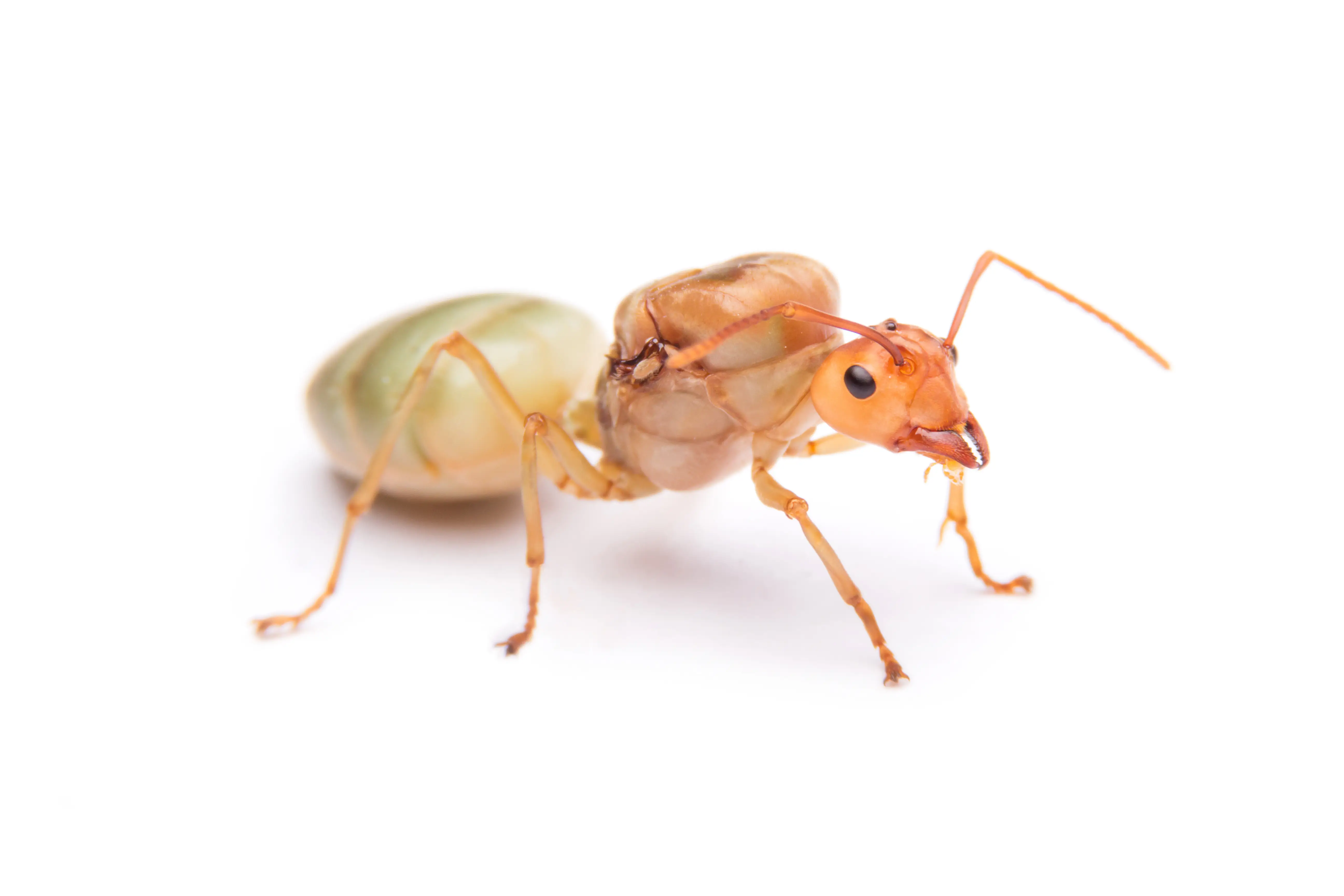
- Appearance of winged reproductives during winter months - The presence of flying ants provides definitive evidence of established breeding colonies that have successfully adapted to indoor environments and are preparing for population expansion
Prevention and Management
Preparing Your Home for Winter
Effective winter ant prevention requires comprehensive preparation before cold weather forces outdoor colonies to seek indoor shelter. Sealing entry points represents the most critical prevention strategy, involving careful caulking of gaps around windows, doors, utility penetrations, and foundation cracks that could provide access routes for seeking colonies. Professional grade silicone based caulks provide long lasting seals that can withstand temperature fluctuations and settling that might compromise barrier effectiveness.
Eliminating moisture sources removes one of the primary attractions that draw overwintering ants indoors, requiring attention to plumbing leaks, condensation problems, and humidity control throughout the structure. Proper food storage and comprehensive cleanliness eliminate the nutritional resources that sustain indoor winter colonies, while removing outdoor attractants such as pet food, garbage, and plant debris reduces the likelihood that colonies will establish themselves near structures where they might subsequently seek indoor access.
Landscape Modifications
Strategic landscape management can significantly reduce the likelihood of outdoor ant colonies choosing properties for winter overwintering sites. Managing mulch and leaf litter involves maintaining appropriate distances between organic materials and structure foundations while ensuring that decomposing materials don't create attractive nesting opportunities adjacent to buildings.
Trimming vegetation away from structures eliminates the bridge pathways that many ant species use to access buildings while removing the sheltered microclimates that attract overwintering colonies. Removing potential shelter sites such as stacked firewood, construction materials, and debris piles forces ant colonies to establish overwintering sites farther from structures where they're less likely to attempt indoor invasion.
Early Detection Methods
Regular inspection protocols during autumn months can identify developing winter ant problems before they become established infestations requiring extensive intervention. Systematic examination of typical overwintering sites including basement areas, crawl spaces, and utility areas allows early detection of colony establishment attempts. Identifying winter harborage sites requires understanding species specific preferences and recognizing the environmental conditions that make specific areas attractive to overwintering colonies.
Monitoring temperature sensitive areas such as heating system locations, plumbing penetrations, and areas with thermal bridging can reveal early signs of ant activity that indicate developing winter colonization. Professional assessment timing becomes critical during autumn months when intervention can prevent successful winter establishment rather than requiring extensive treatment of established indoor populations.
Spring Emergence Patterns
Environmental Triggers
The transition from winter dormancy to spring activity involves complex environmental cues that signal the end of overwintering conditions and the beginning of active season behaviors. These triggers work in combination to ensure that ant colonies emerge at optimal times for survival and reproduction.
- Temperature thresholds - Emergence typically occurs when soil temperatures consistently reach 45-50°F (7-10°C) for several consecutive days, though specific thresholds vary among different ant species
- Daylight length influences - Increasing photoperiods signal seasonal changes that trigger hormonal responses leading to emergence from diapause, as longer days indicate approaching favorable conditions
- Soil moisture and food availability - These additional environmental cues influence emergence timing, as colonies assess resource availability before committing energy to renewed activity and reproduction
- Regional timing variations - Emergence can span several weeks across different climate zones, with southern populations emerging significantly earlier than northern counterparts of the same species
Increased Activity Signs in Spring
Spring emergence creates observable changes in ant behavior that signal the transition from dormancy to active season colony function. These signs become progressively more apparent as environmental conditions continue to improve.
- Worker ant scouting behavior - Small numbers of workers begin exploring outside nest areas to assess environmental conditions and locate potential food sources, representing one of the earliest indicators of spring emergence
- Trail establishment - Pheromone pathways connecting nest sites to newly discovered resources become increasingly visible as more workers join foraging activities following successful scouting missions
- Food source exploration intensification - Worker numbers and foraging intensity increase exponentially as colonies transition from winter conservation mode to active season expansion
- Nest expansion activities - Colonies begin excavating new chambers and extending tunnel systems to accommodate growing populations and increased activity levels
Post Winter Colony Behavior
Successful overwintering strategies leads to dramatic changes in colony dynamics as ants redirect their energy from survival mode to growth and reproduction. These behavioral shifts mark the full return to active season colony function.
- Rapid population growth - Stored energy reserves and suspended reproduction result in explosive increases in worker populations during early spring months as colonies emerge from winter dormancy
- Increased foraging intensity - Colonies urgently work to replenish energy reserves depleted during winter months while supporting rapidly expanding populations and resuming reproductive activities
- New satellite colony establishment - Successful colonies often divide and expand their territorial range through the creation of new nest sites connected to parent colonies during spring emergence
- Reproductive cycle resumption - Queen egg laying activity increases dramatically and production of new reproductive individuals begins the cycle that will lead to colony multiplication and dispersal
Biological and Ecological Significance
Ecosystem Roles During Winter
Even during ant colony dormancy, ant colonies continue to play important ecological roles that benefit overall ecosystem health and function. Soil aeration occurs through the maintenance of tunnel systems that, while less active during winter months, continue to provide pathways for air and water movement through soil layers. The presence of dormant ant colonies creates microhabitat opportunities for other overwintering organisms that benefit from the stable temperature and humidity conditions within and around ant nests.
Impact on winter ecosystem dynamics includes the gradual decomposition of stored organic materials within nest systems, contributing to nutrient cycling processes that continue at reduced rates throughout winter months. Prey availability for other species includes both dormant ant populations that serve as food sources for winter active predators and the maintenance of habitat structures that support complex food web relationships during resource scarce winter periods.
Evolutionary Adaptations
The sophisticated winter survival strategies employed by modern ant species represent millions of years of evolutionary refinement in response to seasonal climate challenges. How winter survival shaped ant evolution can be observed in the diverse array of physiological and behavioral adaptations that allow different species to thrive in environments ranging from tropical regions with minimal seasonal variation to arctic climates with extreme winter conditions.
Regional adaptation differences demonstrate the remarkable plasticity of ant evolutionary responses, with closely related species developing dramatically different winter survival strategies based on their specific environmental pressures. Genetic variations in cold temperature tolerance reflect ongoing evolutionary processes that continue to refine winter survival capabilities in response to changing climate conditions and expanding geographical ranges.
When to Seek Professional Help
Several critical warning signs indicate that winter ant problems have progressed beyond the scope of DIY solutions and require professional intervention. Persistent indoor activity during winter months when outdoor ant populations should be dormant signals established indoor colonies, while multiple entry points discovered simultaneously suggest extensive colony networks with redundant access routes. Structural damage evidence such as wood shavings from carpenter ant activity or compromised building materials indicates colonies that have progressed to active destruction, and failed DIY prevention efforts often result from underestimating the complexity of winter ant infestations and the specialized knowledge required for effective species identification.
Professional pest management services provide crucial expertise that homeowners cannot replicate through standard retail products or general prevention methods. Species identification forms the foundation for effective treatment strategies, as different ant species require dramatically different approaches based on their biology, behavior, and preferred nesting sites. Professional technicians utilize specialized detection equipment, species specific nesting knowledge, and systematic inspection protocols to identify hidden colonies missed by untrained observers, while integrated management approaches combine multiple treatment methods, exclusion strategies, and long term prevention measures that address both immediate infestations and underlying conditions contributing to recurring problems.
Contact EcoGuard Pest Management if You are Dealing with Ants
If you're discovering ant activity in your home during winter months, don't wait for the problem to worsen with spring's arrival. EcoGuard Pest Management specializes in comprehensive ant control strategies that address both current infestations and long term prevention measures. Our experienced technicians understand the complex winter behaviors of different ant species and can provide targeted solutions that eliminate existing colonies while preventing future invasions. Contact EcoGuard today for a thorough inspection and customized treatment plan that will protect your home from winter ant invasions and ensure a pest free environment throughout the year.
FAQs
Do ants actually hibernate in winter?
Ants don't truly hibernate like mammals do. Instead, they enter a state called diapause, which involves slowed metabolism and reduced activity while remaining capable of responding to environmental changes and maintaining essential colony functions.
What is diapause and how is it different from hibernation?
This dormancy mechanism represents a biological shutdown process where ant colonies essentially pause their growth cycles, preserving vital energy reserves throughout challenging environmental periods. Unlike hibernation, which involves dramatic metabolic shutdown, diapause allows ants to remain relatively responsive and can be quickly reversed when conditions improve.
Where do ants find shelter during winter months?
Ants seek shelter in deep underground burrows below the frost line, under rocks and logs, within tree bark, in thick leaf litter, and often inside human structures where they can access warmth, moisture, and food sources.
Why do I still see ants in my house during winter?
Winter ant sightings typically indicate established indoor colonies that are taking advantage of heated indoor environments to remain active year round. These colonies often entered your home during autumn and have successfully adapted to indoor conditions.
How do ants survive freezing temperatures?
Ants survive freezing through multiple mechanisms including antifreeze protein production, glycerol accumulation that acts as natural antifreeze, clustering behavior for warmth conservation, and seeking shelter in temperature stable locations below ground.
When do ants become active again in spring?
Ant spring emergence typically occurs when soil temperatures consistently reach 45-50°F (7-10°C) for several days, though timing varies by species and geographical location. Colonies inhabiting warmer latitudes typically resume active foraging approximately two to four weeks ahead of their cold-climate relatives, reflecting regional temperature variations that influence emergence timing.
Do all ant species behave the same way in winter?
Winter survival strategies vary significantly among ant species. Some enter complete dormancy, others remain partially active, and certain species in warm climates maintain near normal activity levels throughout winter months.
What happens to ant eggs and larvae during winter?
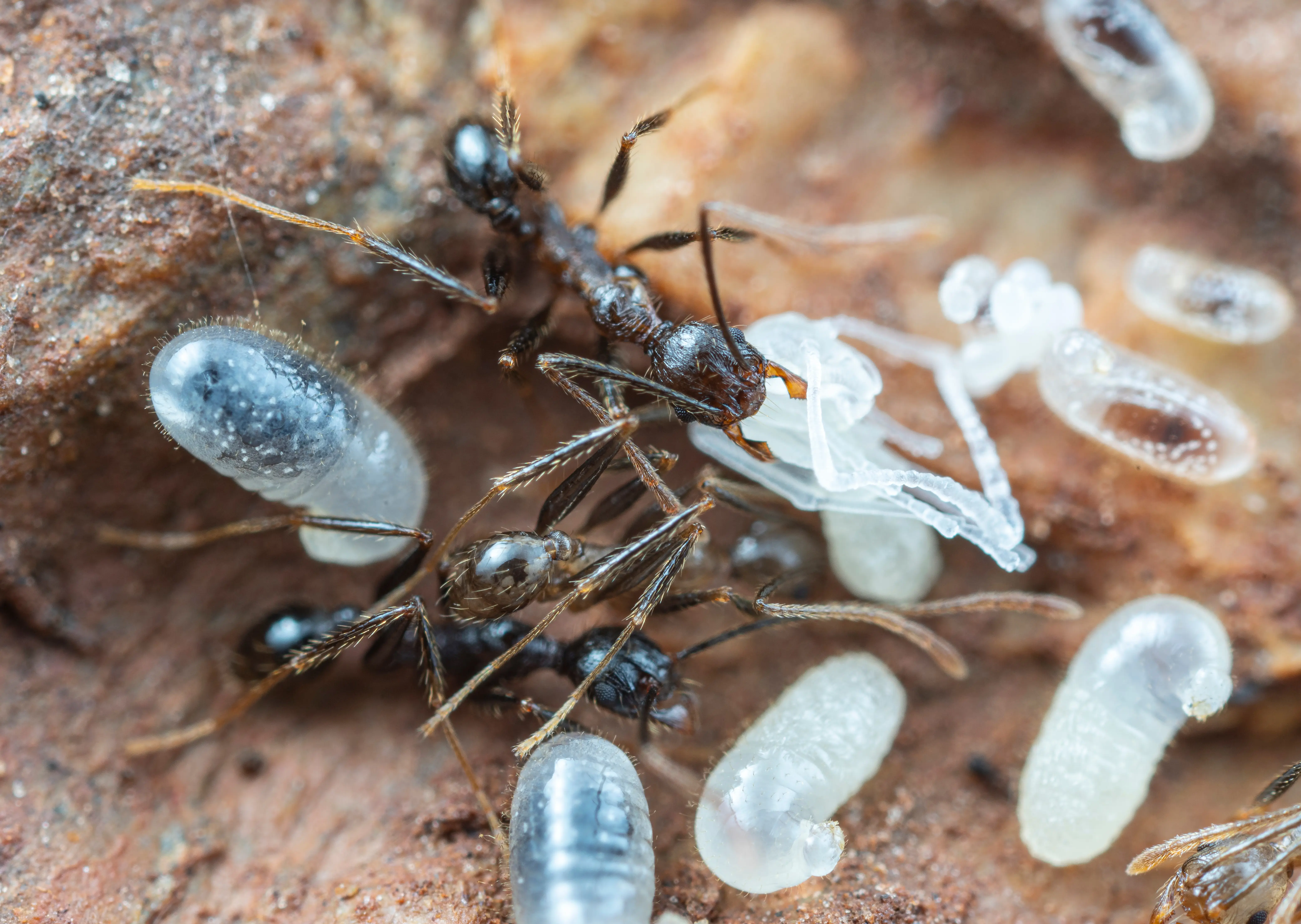
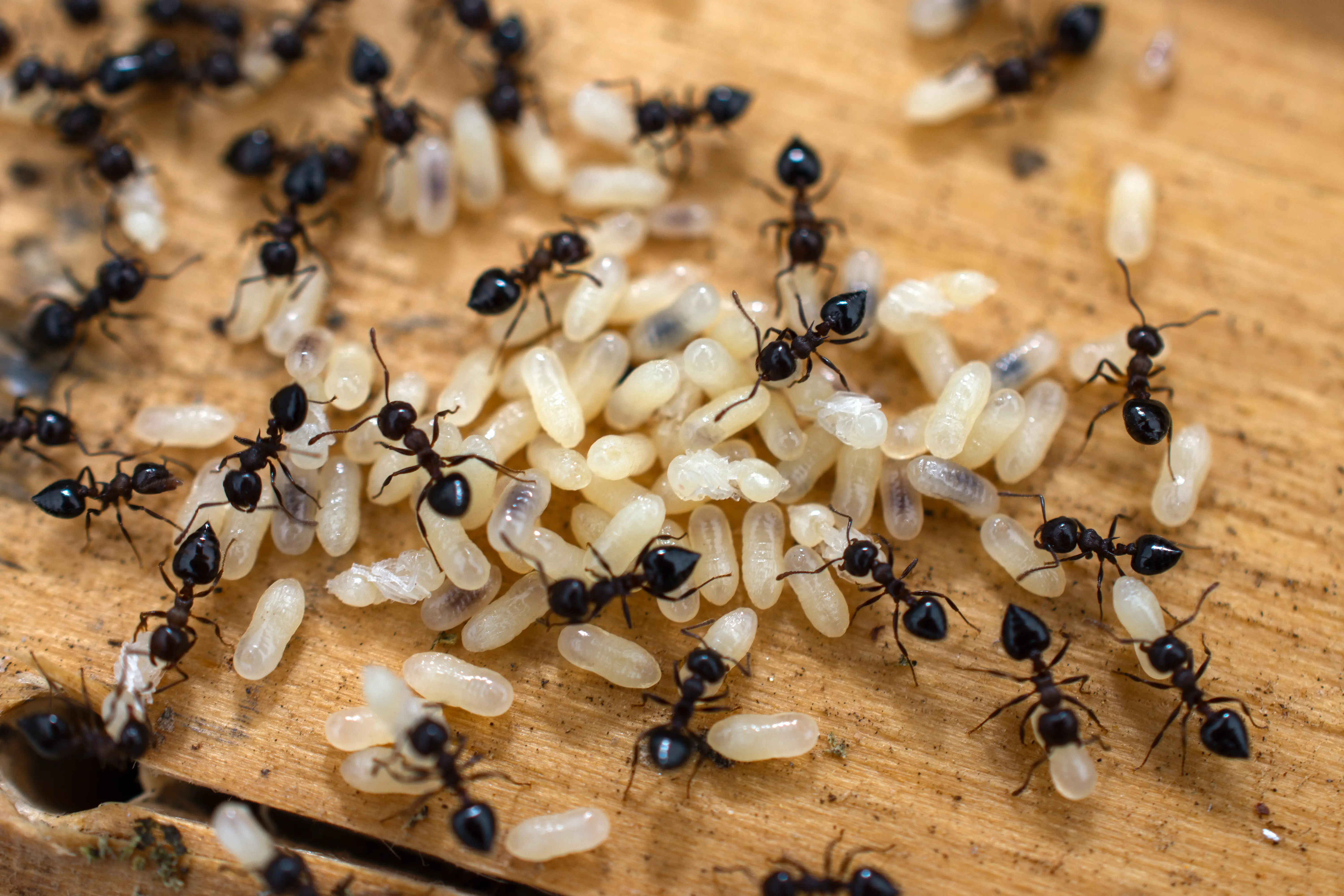
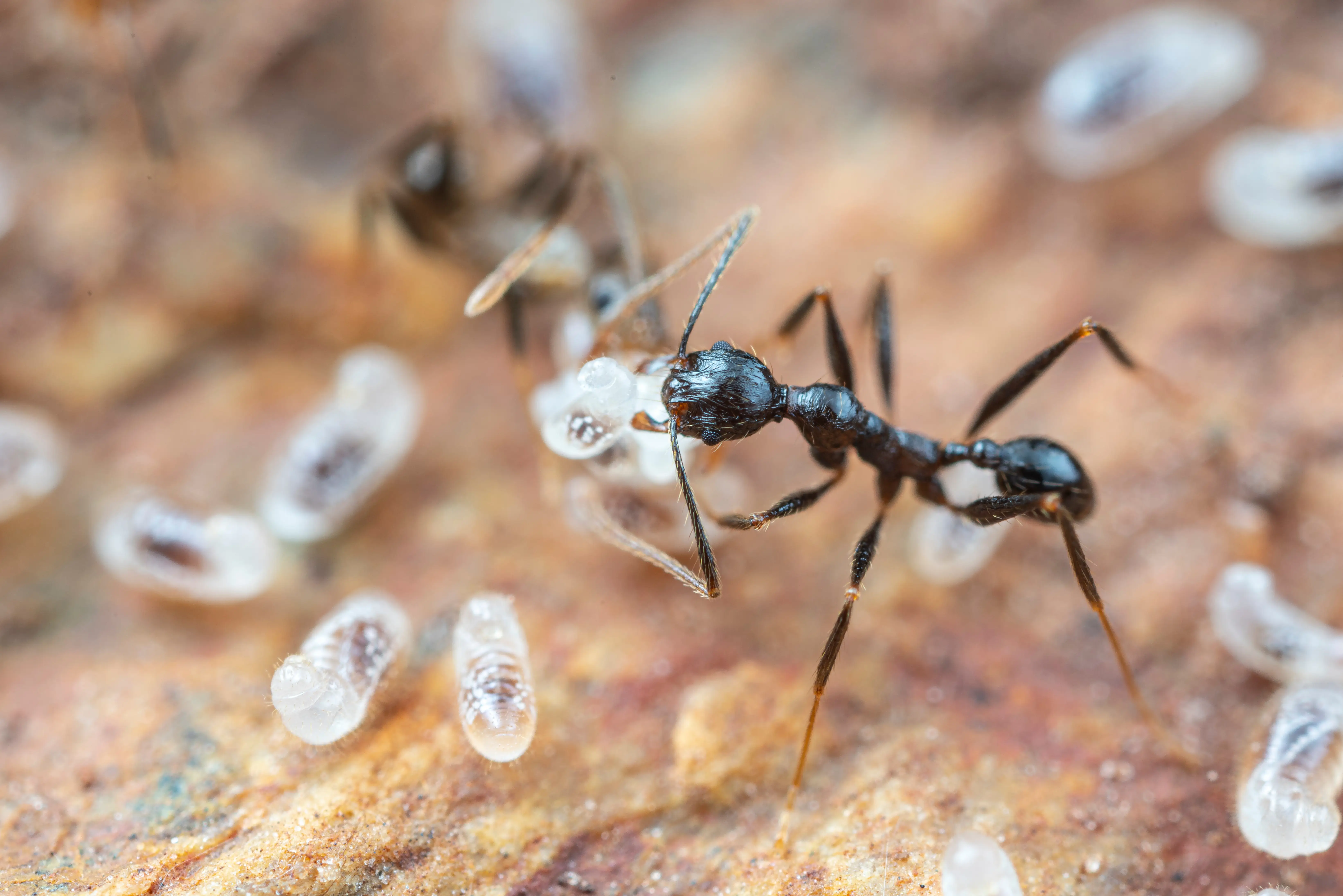
Most ant species suspend reproduction during winter, with existing larvae entering developmental diapause where they pause growth and conserve energy until spring conditions trigger resumed development and metamorphosis.
How do ants prevent their bodies from freezing?
Ants produce specialized antifreeze proteins and accumulate cryoprotectant compounds like glycerol that prevent ice crystal formation in their body fluids, allowing them to survive at temperatures well below normal freezing points.
Can ants die from cold temperatures?
Ants can die from cold exposure if temperatures drop below their species specific tolerance levels or if they cannot access adequate shelter. However, most species have evolved sophisticated survival mechanisms that allow them to survive typical winter conditions in their native ranges.